Author name: Bonsai Mery

Witches Broom

Witches Broom

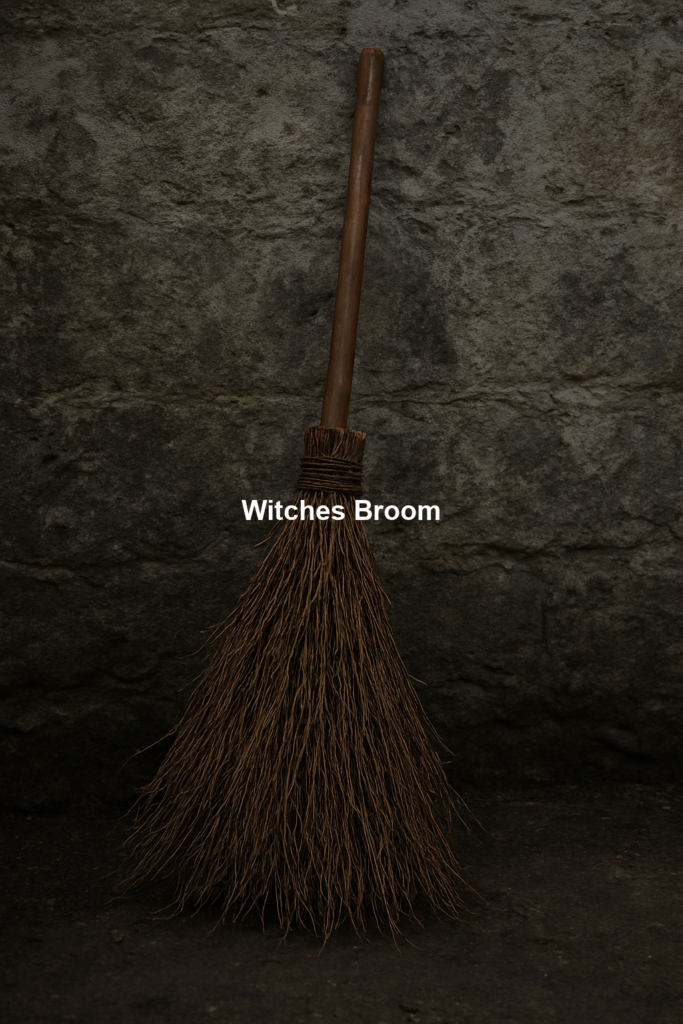
Witches Broom presents a distinctive syndrome in woody plants, manifesting as dense clusters of shortened shoots that resemble a sweeping broom. The condition can arise from fungal pathogens, phytoplasmas, insects, or environmental stress, and its impact ranges from aesthetic blemish to severe decline. Understanding the etiology, early detection, and integrated control measures is essential for […]
Witches Broom Read More »

Wisteria Bonsai

Wisteria Bonsai

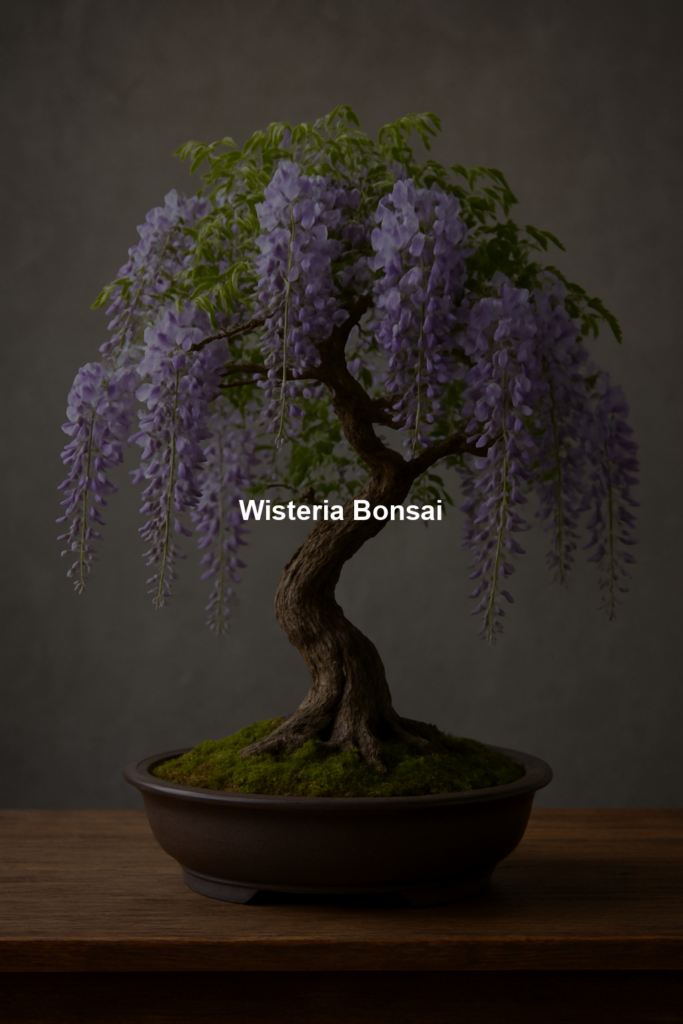
Wisteria Bonsai merges the sprawling elegance of Wisteria vines with the disciplined form of bonsai art, demanding both horticultural precision and aesthetic sensitivity. Key Takeaways Choose a hardy Wisteria cultivar with compact growth habit. Employ a well‑draining, organic‑rich substrate to balance moisture. Prune aggressively during dormancy to maintain structural integrity. Provide bright, filtered light and

Wisteria Bonsai Read More »

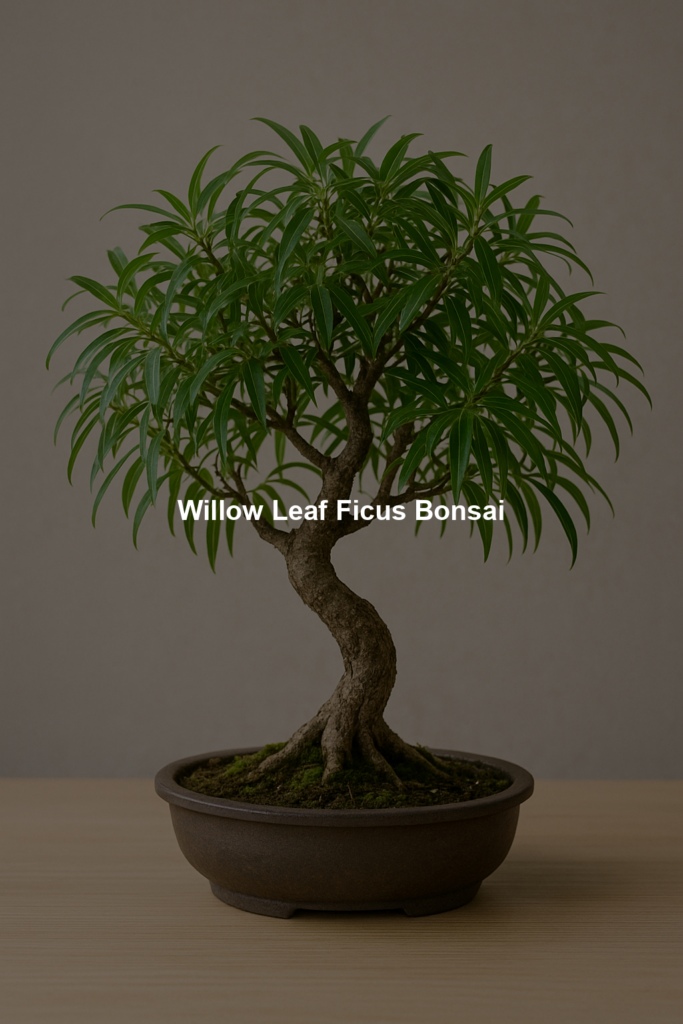
Willow Leaf Ficus Bonsai

Willow Leaf Ficus Bonsai

Willow Leaf Ficus Bonsai combines the architectural elegance of traditional bonsai with the airy foliage of a mature ficus tree, making it a favored choice for sophisticated interior landscapes. Mastering its cultural requirements demands an understanding of root confinement, humidity control, and disciplined pruning, all of which contribute to a thriving miniature canopy that commands

Willow Leaf Ficus Bonsai Read More »

Why Snakeplant Is Underrated

Why Snakeplant Is Underrated

Snakeplant (Sansevieria trifasciata) often resides in the periphery of indoor‑plant recommendations, yet Why Snakeplant Is Underrated deserves rigorous attention from designers, horticulturists, and health‑conscious occupants alike. Its physiological robustness, aesthetic neutrality, and environmental contributions position it as a strategic asset in modern interiors. Key Takeaways Exceptional drought tolerance and low light adaptability reduce maintenance overhead.

Why Snakeplant Is Underrated Read More »

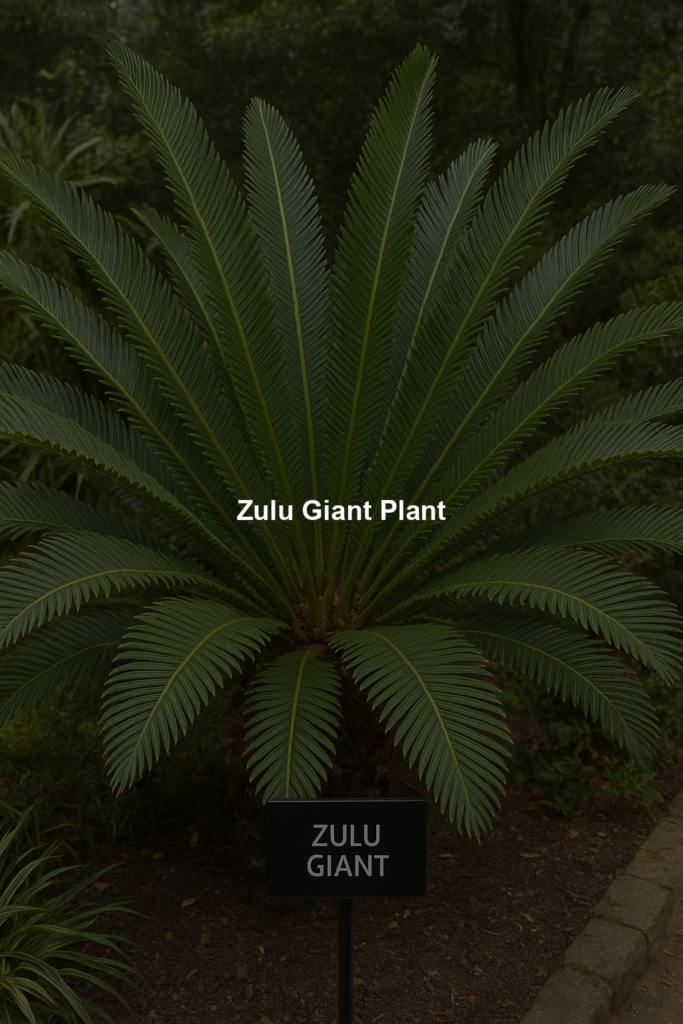
Zulu Giant Plant

Zulu Giant Plant

The Zulu Giant Plant commands attention in both horticultural collections and contemporary interior landscapes. Its impressive stature and resilient nature make it a compelling subject for designers seeking botanical drama without compromising on sustainability. Understanding its botanical profile, cultural needs, and spatial potential equips professionals to integrate this species with confidence. Key Takeaways Native to

Zulu Giant Plant Read More »

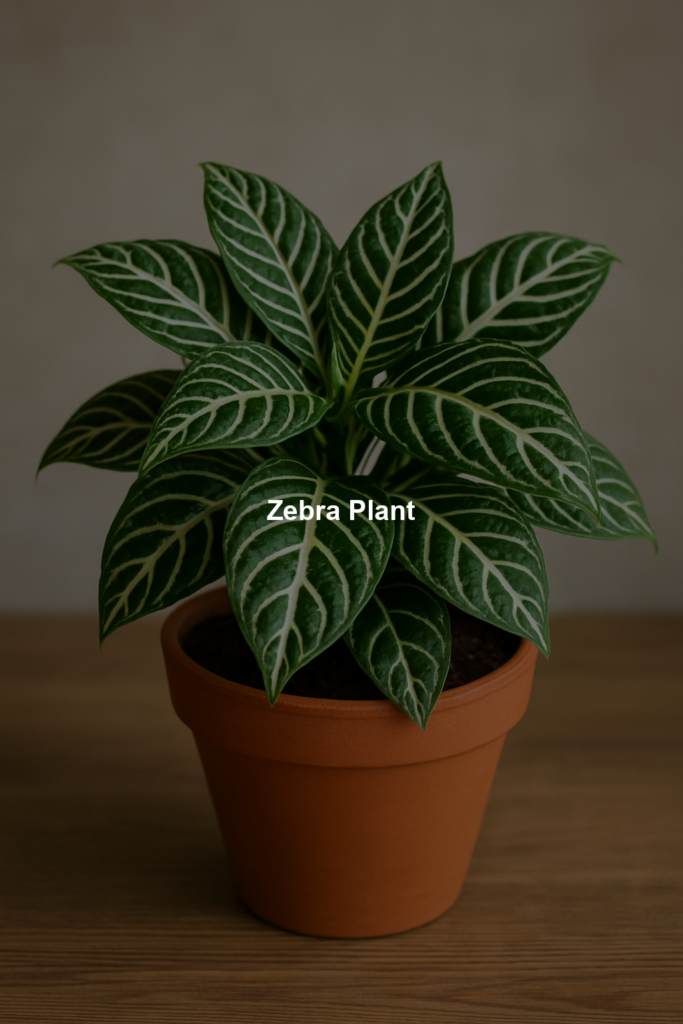
Zebra Plant

Zebra Plant

Zebra Plant (Aphelandra squarrosa) commands attention in both tropical gardens and contemporary interiors, its bold white‑striped leaves offering a graphic accent that thrives under precise cultural conditions. Mastery of its environmental preferences enables horticulturists to harness its full decorative potential year‑round. Key Takeaways Bold, patterned foliage makes Zebra Plant a focal point in shaded interiors.

Zebra Plant Read More »

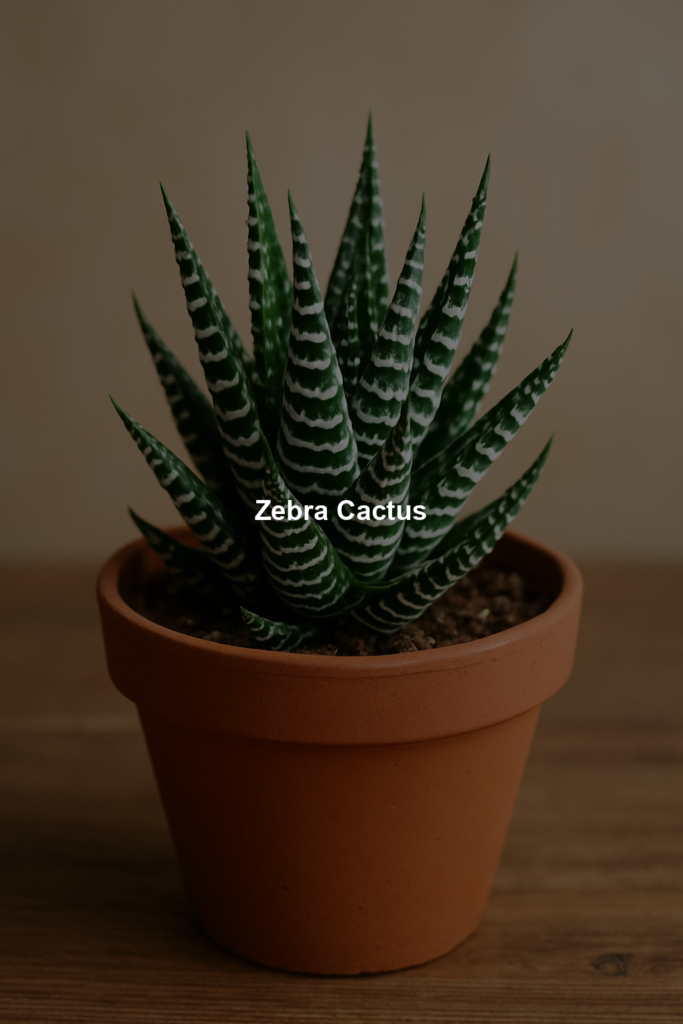
Zebra Cactus

Zebra Cactus

Zebra Cactus (Ecopsis spp.) offers striking striped foliage that adapts readily to interior spaces while demanding precise cultural practices. Its drought‑tolerant nature masks a sophisticated set of environmental preferences that seasoned growers must respect to maintain vigor and visual impact. Key Takeaways Zebra Cactus thrives in bright, indirect light and tolerates brief morning sun. Well‑draining

Zebra Cactus Read More »

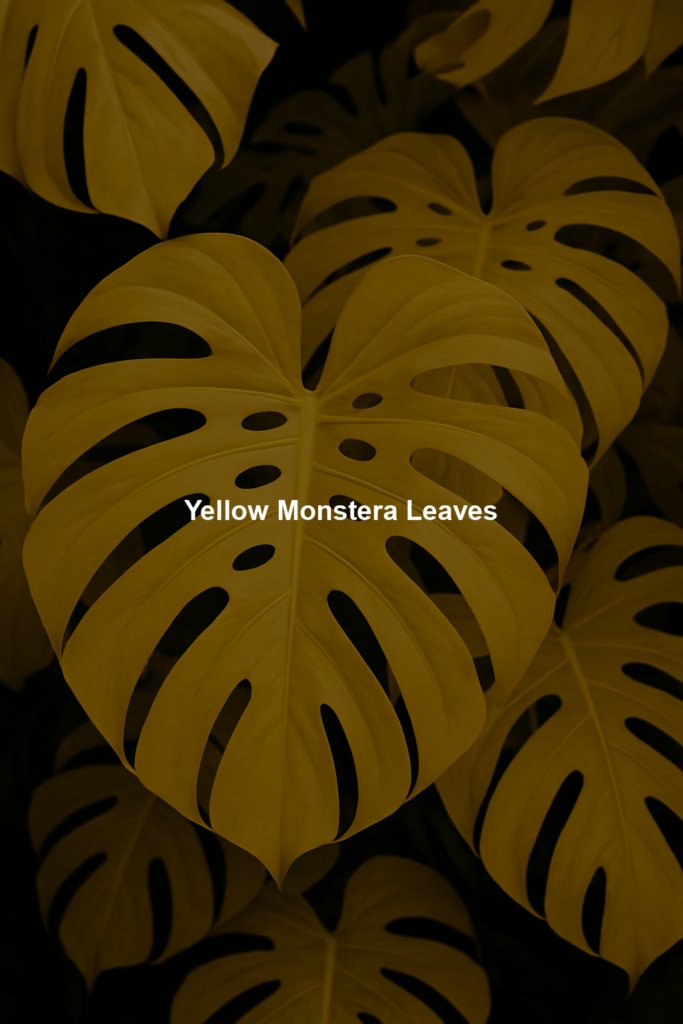
Yellow Monstera Leaves

Yellow Monstera Leaves

Yellow Monstera Leaves are a vivid indicator of plant health, demanding a nuanced understanding of both physiological processes and environmental variables. This article delivers a comprehensive, research‑backed examination for horticultural professionals and interior designers alike. Key Takeaways Yellow Monstera Leaves often signal nutrient imbalance, watering errors, or light stress. Early identification prevents irreversible tissue damage

Yellow Monstera Leaves Read More »

Yaupon Holly Bonsai

Yaupon Holly Bonsai

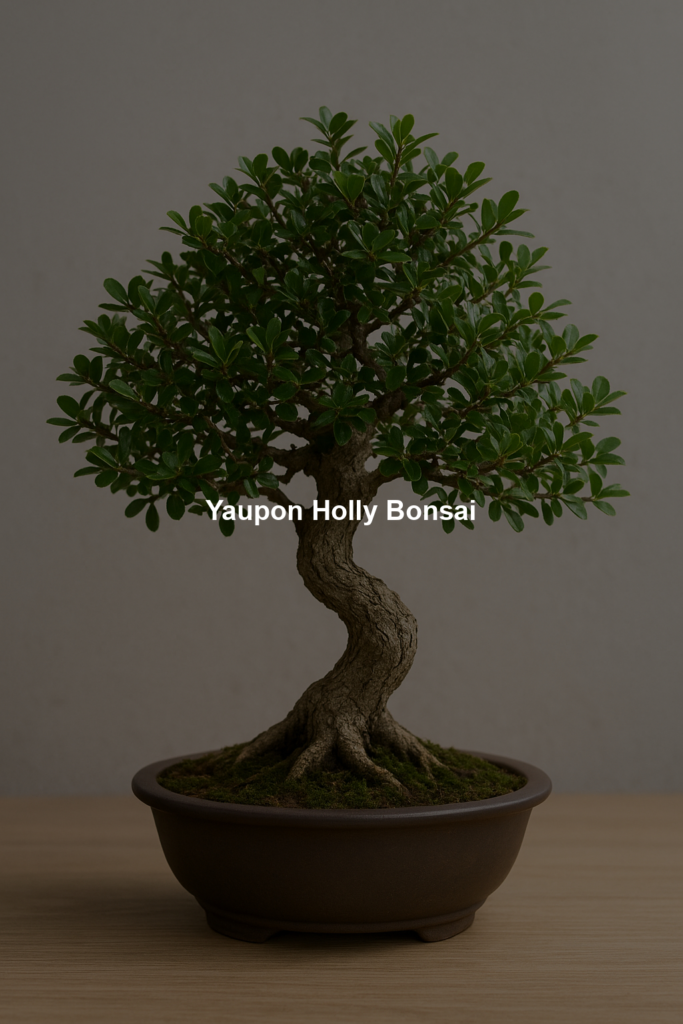
Yaupon Holly Bonsai combines the resilience of Ilex vomitoria with the artistic discipline of bonsai culture, offering interior designers a compact evergreen capable of withstanding low‑light environments while retaining striking foliage. Mastering its unique physiological traits allows horticulturists to produce refined compositions that enhance contemporary interiors and formal gardens alike. Key Takeaways Yaupon Holly Bonsai

Yaupon Holly Bonsai Read More »

Scroll to Top