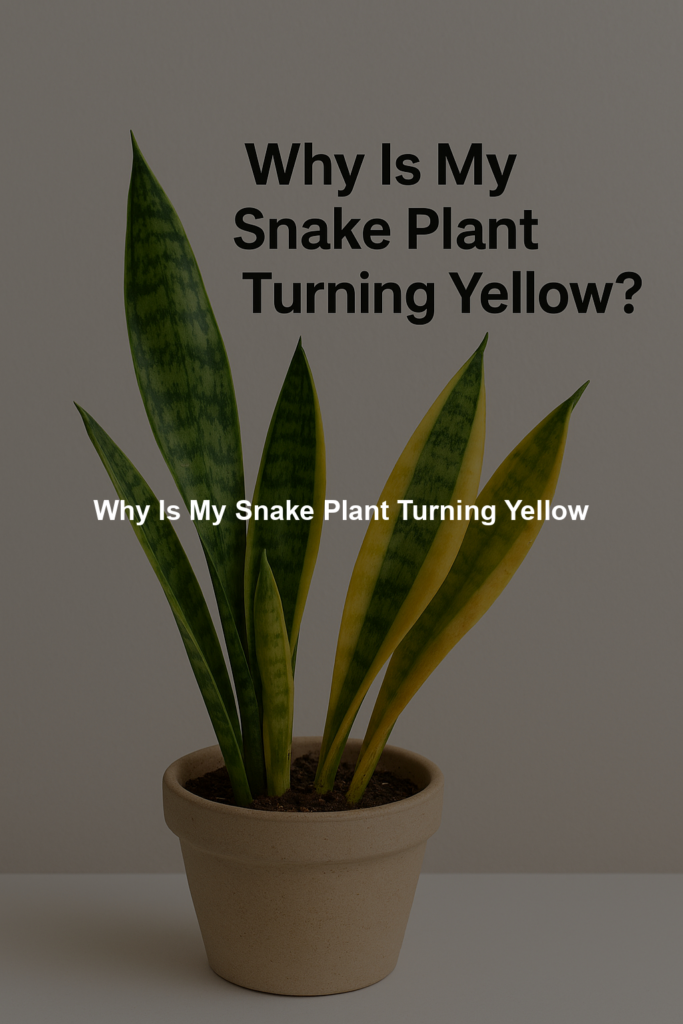
Why Is My Snake Plant Turning Yellow is a question that surfaces frequently among both novice growers and seasoned indoor gardeners. Yellowing may signal a reversible cultural misstep or a deeper physiological distress, and a systematic assessment is essential for effective remediation. Below is a professional framework for diagnosing and correcting the most common causes of chlorosis in Sansevieria trifasciata.
Key Takeaways
- Yellow leaves usually indicate excess water, insufficient light, or nutrient deficiency.
- Adjust watering frequency and confirm drainage before reconsidering repotting.
- Light intensity and duration are critical; low light slows metabolism, high light prevents etiolation.
- Soil composition should balance aeration with moisture retention; a well‑draining cactus mix is optimal.
- Prompt treatment restores vigor and preserves the architectural value of the plant.
Understanding the Importance of Why Is My Snake Plant Turning Yellow
The visual health of a snake plant reflects the overall micro‑environment of your interior space. Persistent yellowing not only diminishes aesthetic appeal but can also precipitate secondary problems such as root rot, which spreads rapidly in confined containers. Recognizing the root cause empowers you to make evidence‑based adjustments rather than resorting to indiscriminate fertilization or aggressive pruning.
Light Exposure
Sansevieria thrives under bright, indirect light; however, it tolerates lower levels better than many foliage species. When light falls below the threshold required for optimal photosynthesis, chlorophyll production wanes, resulting in a uniform or mottled yellowing. Supplemental LED grow lights positioned 12‑18 inches above the foliage can compensate for windowless interiors, provided they deliver 2,000–3,000 lux for 10–12 hours daily.
Water Management
Over‑watering remains the most prevalent trigger for yellow leaves. The plant’s rhizomatous root system stores moisture, and saturation of the medium impedes oxygen diffusion, leading to hypoxic stress and chlorosis. A simple “finger test”—inserting the index finger 2 inches into the substrate—should reveal dryness before each irrigation. In winter, reduce watering to once every 6–8 weeks, as metabolic demand declines.
Soil Composition
A dense, water‑retentive potting mix retains excess moisture, amplifying the risk of root‑zone anaerobiosis. An ideal medium comprises 40 % coarse sand, 30 % pumice or perlite, and 30 % peat‑free organic compost. This blend ensures rapid drainage while maintaining sufficient moisture for leaf turgor. Periodic soil replacement (every 2–3 years) prevents compaction and nutrient lock‑out.
Expert Tips for Why Is My Snake Plant Turning Yellow
Addressing yellowing requires a structured protocol that isolates variables sequentially. The following steps constitute a professional diagnostic workflow.
- Inspect the root system – Gently remove the plant from its pot; healthy roots appear firm, creamy white, and free of slime. Dark, mushy roots indicate rot and must be trimmed with sterilized shears before repotting.
- Evaluate watering cadence – Log each watering event for a month to identify patterns of excess. Adjust schedule based on ambient humidity and seasonal temperature fluctuations.
- Measure light intensity – Use a handheld lux meter near the foliage during midday. Values below 500 lux suggest insufficient illumination; augment with artificial lighting or relocate the plant.
- Test soil pH – Sansevieria prefers a slightly acidic to neutral pH (6.0–7.5). Extreme alkalinity impedes iron uptake, manifesting as interveinal yellowing. Amend with elemental sulfur to lower pH or add alkaline lime to raise it, following lab results.
- Apply a balanced fertilizer – Once the plant shows recovery, feed with a slow‑release, 10‑10‑10 formulation at one‑quarter the recommended rate. Over‑fertilization itself can cause tip burn and yellow edges.
Common Environmental Causes
Temperature Fluctuations
Rapid temperature swings, especially drafts from HVAC vents, create stress zones within leaf tissue. Maintain a stable ambient range of 65–80 °F; avoid exposing the plant to temperatures below 50 °F, which can trigger chlorophyll degradation.
Humidity Levels
While snake plants tolerate low humidity, excessively dry air can cause leaf margins to brown rather than yellow. Conversely, persistent high humidity without adequate airflow encourages fungal growth. Aim for a relative humidity of 40–60 % and ensure good air circulation using a ceiling fan on low speed.
Chemical Exposure
Cleaning agents, aerosols, or accidental fertilizer runoff can deposit salts on leaf surfaces, obstructing stomatal function. Rinse affected leaves gently with lukewarm water and allow thorough drying before resuming normal care.
Nutrient Imbalance
Nitrogen Deficiency
Nitrogen is pivotal for chlorophyll synthesis. When deficient, leaves exhibit uniform yellowing beginning at the base and progressing upward. A light application of a nitrogen‑rich liquid fertilizer (e.g., fish emulsion) can reverse this symptom within two weeks.
Magnesium and Iron Deficiencies
Interveinal chlorosis—yellowing between green veins—often signals magnesium or iron scarcity. Foliar sprays containing chelated iron or magnesium sulfate (Epsom salts) applied once weekly remedy the condition. Ensure the soil pH is conducive to micronutrient absorption.
Pest and Disease Considerations
Mealybugs and Scale
These sap‑sucking insects excrete honeydew, fostering sooty mold that masks chlorosis. Inspect the leaf base and leaf axils; treat infestations with neem oil or insecticidal soap, applying to both the plant and surrounding potting medium.
Fungal Leaf Spot
Yellow lesions bordered by brown edges may indicate fungal infection, particularly in overly moist environments. Remove affected foliage promptly and apply a copper‑based fungicide. Adjust watering practices to keep foliage dry.
Preventative Maintenance
Routine inspection, calibrated watering, and appropriate lighting form the triad of preventive care. Incorporate a quarterly review calendar: assess leaf coloration, examine root health, and test soil parameters. Early detection prevents minor yellowing from escalating into irreversible damage.
When to Repot
If yellowing persists despite optimal cultural conditions, the plant may be root‑bound. Signs include roots circumnavigating the pot interior or surfacing above the soil line. Repotting into a container 2–3 inches larger with fresh, well‑draining mix revitalizes root aeration and mitigates excess moisture retention.
FAQ
How quickly can a snake plant recover from yellow leaves?
Recovery time varies with the underlying cause. When excess water is corrected, new growth typically resumes within 4–6 weeks. Nutrient deficiencies may show improvement within 2–3 weeks after targeted feeding. Persistent root rot can necessitate a longer rehabilitation period or replacement of severely damaged roots.
Is it normal for the lower leaves of a snake plant to turn yellow with age?
Yes, senescence naturally affects the basal leaves of mature Sansevieria. Older foliage may yellow and eventually die back, a process that does not indicate pathology. Regularly remove dead leaves to maintain visual cleanliness and to allow light penetration to newer growth.
Can over‑fertilization cause yellowing, and how should I correct it?
Over‑fertilization leads to salt buildup, which impairs root function and manifests as yellow tips or margins. Flush the soil with abundant water to leach excess salts, then suspend fertilization for one growth cycle. Resume feeding at half the recommended dosage.
Does pruning yellow leaves help the plant heal?
Pruning removed yellowed tissue reduces the plant’s energy expenditure on non‑functional foliage and improves airflow. Use clean, sharp scissors to cut just above a healthy leaf node, ensuring the cut edge is smooth to prevent infection.
What role does pot size play in preventing yellow leaves?
An appropriately sized pot provides sufficient room for root expansion while ensuring excess water drains freely. Oversized containers retain moisture longer, raising the risk of water‑related chlorosis. Select a pot no more than 2 inches larger in diameter than the root mass.
Are there specific indoor locations that minimize the risk of yellowing?
Position the plant near an east‑facing window where it receives bright, indirect morning light. Avoid south‑west exposures that can cause leaf scorching, and keep the plant away from cold drafts or radiators that create temperature stress.
How does repotting affect the watering schedule after yellow leaves have appeared?
After repotting, the fresh medium drains more efficiently, allowing the plant to dry out faster between waterings. Reduce the watering frequency initially, monitoring soil moisture weekly, and gradually return to the standard schedule as the plant establishes its new root system.