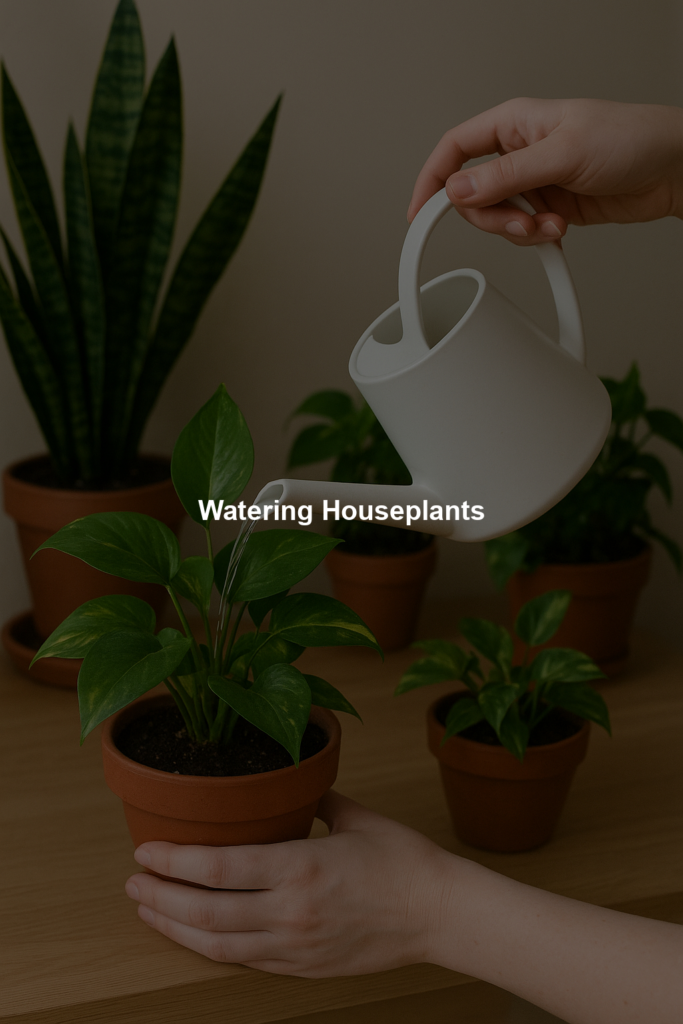
Watering Houseplants is a foundational skill that separates thriving indoor gardens from wilted displays. A disciplined approach, grounded in plant physiology and environmental monitoring, ensures consistent moisture availability while preventing the most common pitfalls of over‑ or under‑watering.
Key Takeaways
- Precise watering frequency depends on species, pot size, and ambient conditions.
- Soil moisture sensors outperform visual cues for most indoor environments.
- Seasonal temperature swings necessitate schedule adjustments, not a static routine.
- Water quality, including hardness and chlorine content, directly influences root health.
- Integrated watering systems can reduce human error but require regular calibration.
Watering Houseplants
The phrase “Watering Houseplants” encapsulates both the act and the methodology required for optimal plant health. Understanding the water‑uptake cycle, from root absorption to transpiration, provides the framework for creating reliable watering protocols.
Fundamental to this process is the balance between the plant’s evapotranspirative demand and the soil’s water‑holding capacity. When these parameters align, stomatal function remains stable, photosynthetic efficiency peaks, and growth hormones are synthesized in appropriate concentrations.
Understanding the Importance of Watering Houseplants
Consistent moisture delivery regulates turgor pressure, enabling cells to maintain structural integrity. Inadequate water reduces cell expansion, leading to leaf curl, marginal browning, and stunted growth. Conversely, excess water displaces oxygen in the root zone, fostering anaerobic conditions that promote root rot pathogens such as Pythium and Phytophthora.
A nuanced comprehension of these physiological outcomes informs the horticulturist’s decision‑making process. For instance, epiphytic orchids possess aerial roots adapted to rapid drying, whereas tropical ferns thrive in continuously moist substrates. Recognizing these distinctions prevents the one‑size‑fits‑all approach that underlies many indoor plant failures.
Watering Houseplants
Implementing a systematic schedule begins with establishing a baseline: measure the weight of a fully watered pot, then monitor weight loss over 24‑hour intervals. This empirical data translates directly into watering intervals expressed in days or volume per watering event.
Recording these metrics in a simple spreadsheet allows trend analysis, highlighting deviations caused by seasonal humidity changes or heating system activation. Adjustments become data‑driven rather than anecdotal.
Expert Tips for Watering Houseplants
- Pre‑water evaluation – Insert a wooden dowel or moisture meter 2‑3 cm below the surface; absence of capillary rise indicates drying.
- Temperature‑controlled water – Use room‑temperature water to avoid thermal shock; for sensitive species, let tap water sit 24 hours to dissipate chlorine.
- Bottom‑up watering – Place the pot in a saucer of water for 5‑10 minutes, allowing capillary uptake, then empty excess to prevent stagnation.
- Hard water mitigation – Employ rainwater or distilled water for calcareous‑sensitive plants like African violets, or install a point‑of‑use water softener.
- Fertilizer timing – Combine dilute liquid fertilizer with the watering event during active growth phases; omit during dormancy to avoid salt buildup.
Assessing Soil Moisture
Soil Texture and Retention
Sandy mixes drain quickly, demanding more frequent watering, while peat‑rich substrates retain water longer. Adjust the coarse‑fine ratio based on the species’ native habitat.
Moisture Sensors
Digital probes calibrated to the specific pot volume deliver real‑time volumetric water content (VWC). Target VWC ranges: 30‑45 % for succulents, 55‑70 % for tropical foliage.
Visual and Tactile Indicators
While less precise, leaf droop, leaf edge crispness, and soil surface color provide rapid, albeit secondary, diagnostics. Use these only after calibrating sensor thresholds.
Choosing the Right Watering Method
Top‑Down Pouring
Suitable for well‑draining soils, this method ensures uniform saturation but can dislodge soil particles if poured too forcefully.
Bottom‑Up Soaking
Ideal for orchids and begonias, bottom‑up soaking encourages root growth toward the moisture source, mimicking natural epiphytic conditions.
Automated Drip Systems
Programmable drip emitters deliver measured volumes at set intervals, reducing labor for large collections. Regularly flush lines to prevent mineral clogging.
Seasonal Adjustments
Winter Dormancy
During reduced daylight and lower temperatures, most houseplants require 30‑50 % less water. Monitor ambient humidity; central heating can desiccate air, necessitating occasional misting for humidity‑loving species.
Summer Peak
Higher temperatures increase transpiration rates; water volume may double, but ensure soil does not remain saturated for more than 24 hours to avoid root hypoxia.
Transitional Periods
Gradual adjustments over 7‑10 day windows prevent shock. Incrementally modify watering volume by 10‑15 % rather than abrupt changes.
Common Mistakes to Avoid
Over‑watering in Decorative Saucers
Collecting water in decorative saucers creates a perpetual wet environment; empty saucers after each watering cycle.
Ignoring Water Quality
Hard water deposits calcium carbonate on foliage and pot walls, impairing nutrient uptake. Use filtered water for sensitive taxa.
Relying Solely on Visual Cues
Leaves can mask root stress; supplement visual assessment with soil weight measurements and moisture sensors for accuracy.
Monitoring Plant Health
Stomatal Conductance
Portable leaf porometers reveal transpiration rates, indirectly indicating whether water supply meets physiological demand.
Growth Rate Analysis
Monthly measurements of leaf length and new shoot emergence provide quantitative feedback on watering efficacy.
Pest Correlation
Over‑watering often precedes insect infestations such as spider mites; a sudden pest surge may signal a moisture imbalance.
FAQ
How often should I water a pothos in a low‑light office?
Pothos (Epipremnum aureum) tolerates moderate drying. In low‑light conditions, aim for a watering interval of 10‑14 days, checking that the top 2 cm of soil feels dry to the touch. Adjust frequency if indoor heating reduces ambient humidity below 30 %.
Is it better to water early in the morning or evening?
Morning watering allows excess moisture to evaporate before nocturnal humidity spikes, reducing the risk of fungal growth. Evening watering can be acceptable for species that thrive in consistently moist environments, provided the foliage dries within a few hours.
Can I use distilled water for all my houseplants?
Distilled water eliminates mineral buildup and is ideal for calcareous‑sensitive plants. However, it lacks the trace nutrients found in tap water; supplement with a balanced, water‑soluble fertilizer to avoid nutrient deficiencies over extended periods.
What is the best way to test if my soil is too compacted?
Insert a thin, clean metal rod 3‑4 cm into the substrate; resistance beyond moderate pressure indicates compaction. Loosen compacted soil with a gentle hand raking or replace with a more aerated potting mix to restore proper drainage.
How do humidity levels affect watering frequency?
Higher humidity reduces transpiration, allowing longer intervals between waterings. Conversely, low humidity (<30 %) accelerates water loss, requiring more frequent watering or supplemental misting for hygrophilic species such as ferns and calatheas.
Should I water succulents until water drains from the pot?
Succulents require a “thorough soak” only when the soil is completely dry. Water until the excess begins to exit drainage holes, then allow the soil to dry fully before the next watering. This prevents root rot while ensuring sufficient moisture uptake.
Do decorative pot covers interfere with proper watering?
Perforated or breathable pot covers are acceptable; solid, non‑porous covers trap moisture and create a micro‑environment conducive to fungal proliferation. Remove or ventilate covers during watering to promote even drying.