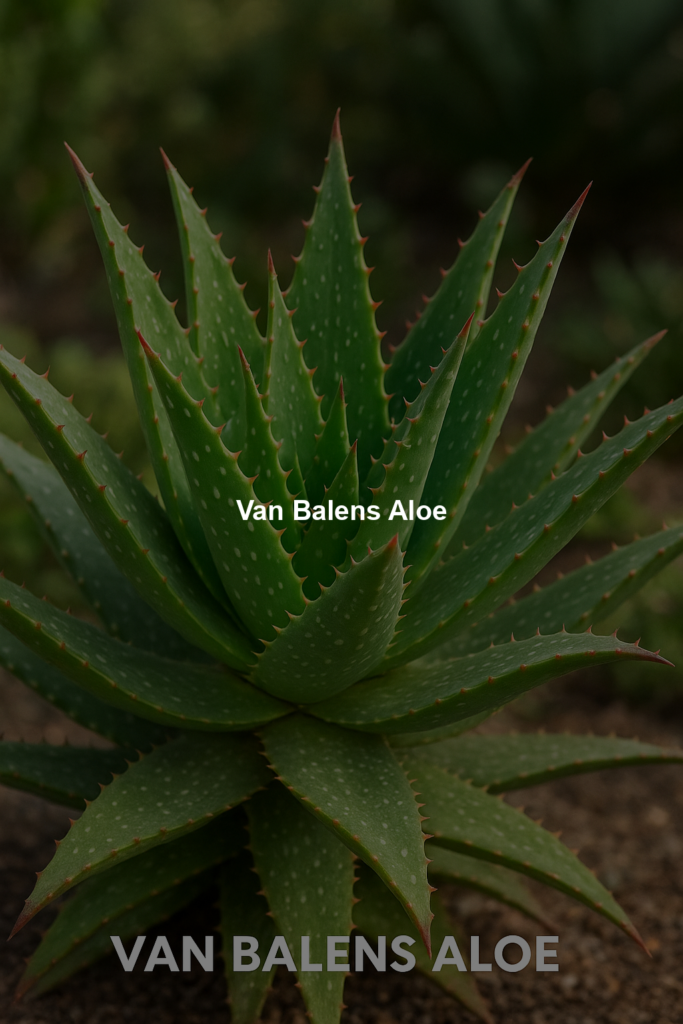
Van Balens Aloe (Aloe van-balensii) commands attention in both specialist collections and boutique interior gardens due to its striking foliage and resilience. Its taxonomic rarity, combined with a modest size and subtle coloration, makes it a preferred specimen for design professionals seeking a living accent that endures under varied indoor conditions.
Key Takeaways
- Distinctive rosettes with linear, slightly recurved leaves enhance visual texture.
- Tolerates low‑light environments but thrives with bright, indirect sunlight.
- Propagation is most reliable through offsets; seed germination demands controlled temperatures.
- Pests are limited, yet vigilance against mealybugs and spider mites prevents stress.
- Integration in interior design projects offers a sculptural element without excessive water demand.
Understanding the Importance of Van Balens Aloe
Van Balens Aloe occupies a niche at the intersection of botanical conservation and contemporary interior styling. Originating from the semi‑arid margins of South Africa, it exhibits an adaptation strategy that balances water efficiency with ornamental appeal. For horticulturists, the species exemplifies the value of preserving genetic diversity within the Aloe genus, which faces habitat pressures from land development. From a design perspective, its compact growth habit—typically 30–45 cm in height—provides a manageable focal point that complements minimalist décor while delivering a subtle pop of verdant hue.
The plant’s leaf morphology—narrow, elongated leaves edged with fine, translucent teeth—creates a light‑diffusing effect that softens surrounding architectural lines. Moreover, its slow, predictable growth cycle allows designers to maintain aesthetic consistency over extended project timelines, reducing the need for frequent replacement or repotting.
Expert Tips for Van Balens Aloe
Effective cultivation begins with an appropriate substrate. A well‑draining mix of coarse sand, perlite, and a modest proportion of organic compost (approximately 2:1:1) replicates the plant’s native lithosol environment. Overly rich soils retain moisture, fostering root rot.
Watering should follow the “soak and dry” principle: saturate the medium thoroughly, then allow it to dry completely before the next irrigation. In temperate indoor settings, this interval averages 10–14 days but must be adjusted for ambient humidity and temperature.
Light exposure is critical. While the species can survive in reduced illumination, optimum pigmentation and leaf firmness are achieved under bright, indirect light—ideally 4,000–6,000 lux. Direct afternoon sun may scorch the leaf tips; therefore, positioning near an east‑facing window or behind a sheer curtain is advisable.
Fertilization is optional but can support robust growth during the active spring‑summer phase. A dilute, balanced liquid fertilizer (NPK 10‑10‑10) applied at one‑quarter strength once monthly suffices. Cease feeding in autumn to encourage a natural dormancy period.
Botanical Profile
Van Balens Aloe is a perennial succulent belonging to the Asphodelaceae family. It displays a single, central rosette, occasionally producing secondary rosettes as offsets. Flowering spikes emerge during late winter, bearing tubular, orange‑red blossoms that attract specialized pollinators such as sunbirds and certain bee species. The plant’s CAM (Crassulacean Acid Metabolism) photosynthetic pathway underpins its drought tolerance, allowing nocturnal CO₂ uptake while minimizing transpiration.
Ideal Growing Conditions
- Temperature: 15 °C–29 °C (59 °F–84 °F) during growth; avoid exposure below 5 °C (41 °F).
- Humidity: Moderate (40%–60% relative humidity). Excessive moisture can precipitate fungal issues.
- Airflow: Gentle circulation mitigates fungal spores and strengthens leaf turgidity.
- Potting: Use terracotta or polymer pots with drainage holes; a saucer prevents standing water.
Propagation Techniques
Offsets
The most reliable propagation method involves separating offsets from the mother plant. After removing a healthy offset, allow the cut surface to callus for 24–48 hours before planting in a fresh propagation mix. Keep the substrate lightly moist and place the pot in a shaded location for two weeks to facilitate root establishment.
Seed Germination
Seeds require a controlled environment: sow on the surface of a sterile, fine‑sanded medium, cover lightly, and maintain a constant temperature of 22 °C (72 °F) with high humidity (≈80%). Germination typically occurs within 2–4 weeks. Transplant seedlings into individual containers once true leaves appear.
Common Pests and Diseases
Van Balens Aloe is relatively pest‑resistant but occasional infestations occur. Mealybugs congregate at leaf axils, secreting honeydew that encourages sooty mold. Application of neem oil or isopropyl alcohol swabs mitigates these outbreaks. Spider mites thrive in dry air; regular misting and a balanced micronutrient spray reduce their prevalence. Root rot, caused by Phytophthora spp., manifests as soft, mushy roots and leaf discoloration; prompt repotting in sterile media and cessation of watering are essential corrective measures.
Design Applications in Interior Spaces
The plant’s sculptural quality aligns with contemporary interior motifs such as biophilic design and the integration of natural textures within built environments. Its modest stature permits placement on console tables, shelving units, or as an accent in reception areas. Pairing Van Balens Aloe with materials like concrete, reclaimed wood, or matte metal surfaces accentuates its subtle chromatic tones. Additionally, grouping multiple specimens in a tiered arrangement creates a living focal point that softens hard architectural lines while contributing to indoor air quality through modest VOC absorption.
Styling Strategies
- Monochrome Palette: Combine the Aloe with grayscale furnishings to highlight its muted green hue.
- Contrast Pairing: Position the plant beside deep‑colored ceramics or brass accessories for visual contrast.
- Layered Heights: Use stands of varying heights to introduce depth and vertical interest in open‑plan spaces.
Seasonal Care Calendar
| Season | Light | Water | Fertilizer | Notes |
|---|---|---|---|---|
| Spring | Bright indirect | Moderate (soil dry 5‑7 cm) | Dilute balanced fertilizer bi‑monthly | Initiate propagation |
| Summer | Bright indirect or filtered sun | Reduced frequency; increase if temperature >30 °C | Continue fertilizing | Monitor for sunburn |
| Autumn | Moderate light | Decrease watering; allow soil to dry longer | Stop fertilizing | Encourage dormancy |
| Winter | Low‑moderate light | Minimal water; only when substrate completely dry | None | Protect from drafts |
FAQ
What is the optimal pot size for Van Balens Aloe?
A pot with a diameter of 15–20 cm (6–8 in) provides sufficient space for root expansion while maintaining adequate drainage. Upsizing should occur only when the rosette outgrows the container by several centimeters, typically every 2–3 years.
Can Van Balens Aloe thrive outdoors in temperate climates?
In USDA hardiness zones 9–11, the plant tolerates outdoor placement provided it receives shade during peak afternoon heat and protection from excessive rain. In cooler zones, a protected patio or greenhouse environment is necessary to prevent frost damage.
How often should repotting be performed?
Repotting every 24–36 months prevents soil compaction and refreshes the nutrient profile. Early spring, before new growth resumes, is the optimal window for transplanting.
Is it safe to keep Van Balens Aloe around pets?
Aloe species contain anthraquinone compounds that may cause gastrointestinal upset if ingested by cats or dogs. While Van Balens Aloe is less toxic than some relatives, it is advisable to place the plant out of reach of curious pets.
What are the visual signs of over‑watering?
Symptoms include translucent, mushy leaves, a faint odor from the soil, and blackened root tips. Immediate corrective action involves removing the plant, allowing the roots to dry, and repotting in a well‑draining medium.
How does Van Balens Aloe contribute to indoor air quality?
Through CAM photosynthesis, the plant sequesters carbon dioxide at night and releases oxygen, modestly improving indoor air freshness. Its low transpiration rate also reduces ambient humidity, beneficial in sealed environments.
Which companion plants pair well with Van Balens Aloe in interior designs?
Species such as Sansevieria trifasciata (snake plant), Echeveria spp., and Zamioculcas zamiifolia (ZZ plant) share similar light and watering requirements, creating cohesive, low‑maintenance green displays.