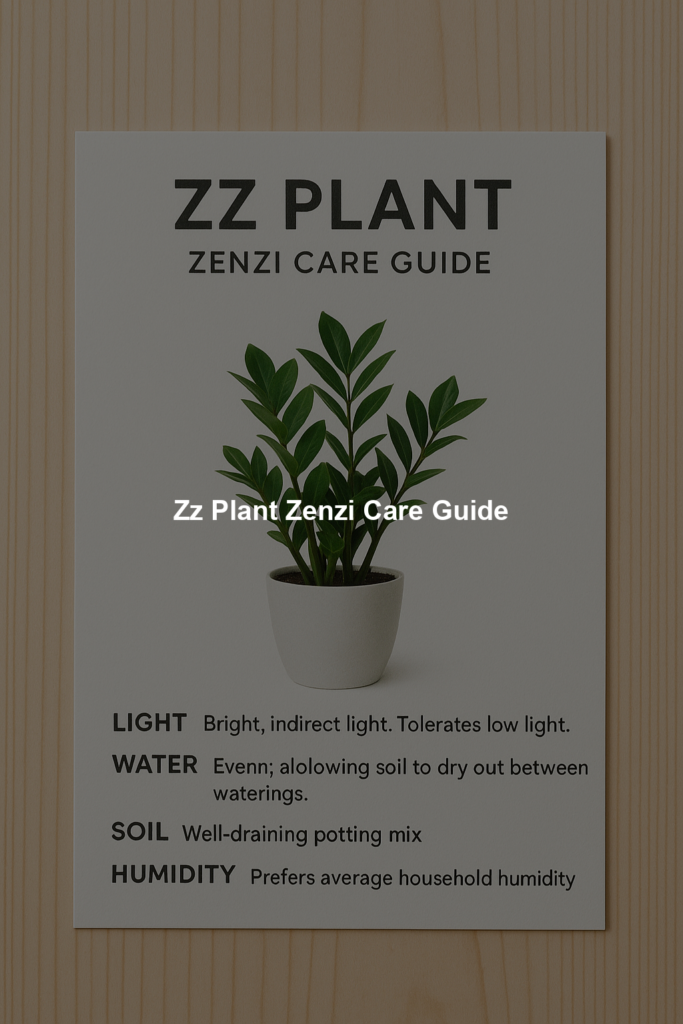
Zz Plant Zenzi Care Guide offers homeowners and designers a comprehensive framework for nurturing one of the most forgiving houseplants. With its glossy, deep‑green leaves and tolerance for low light, the ZZ plant has become a staple in contemporary interiors. This guide unpacks the science and aesthetics behind optimal care, ensuring that every specimen remains vigorous and visually striking.
Key Takeaways
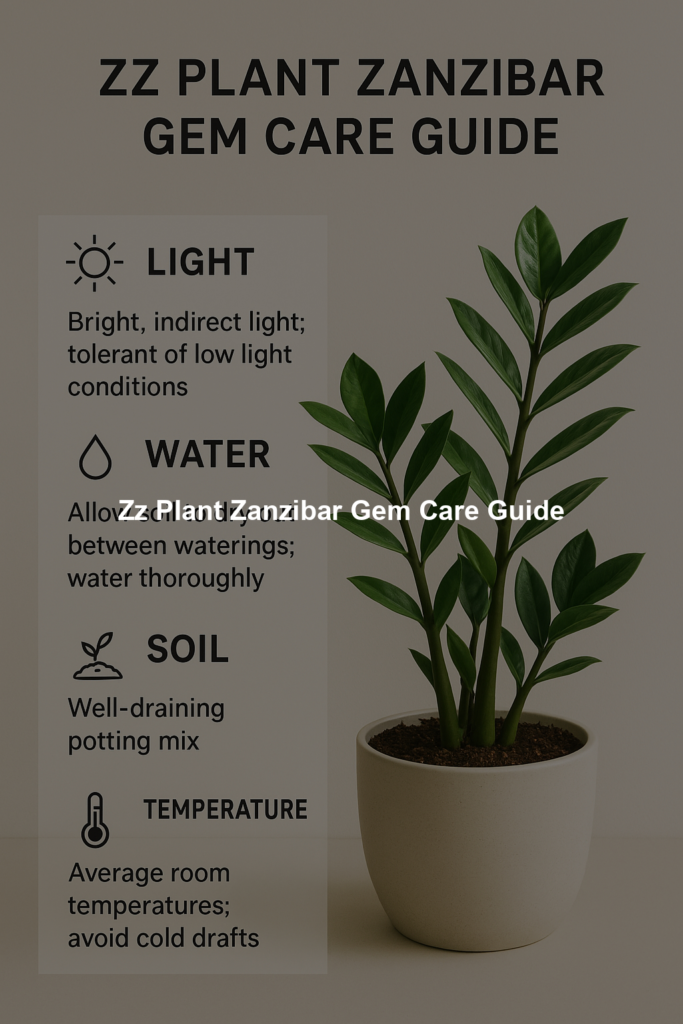
- Light: Bright, indirect illumination maximizes foliage gloss without provoking leaf scorch.
- Water: Allow the substrate to dry to 25 % moisture before rewatering to prevent rhizome rot.
- Soil: A well‑draining mix of peat, perlite, and coarse sand supports aeration.
- Temperature: Maintain 65‑80 °F (18‑27 °C) for steady growth; avoid drafts.
- Propagation: Stem cuttings and leaf divisions yield new plants within 8‑12 weeks.
Zz Plant Zenzi Care Guide
The ZZ plant, scientifically Zamioculcas zamiifolia, stores water in its thick rhizomes, a trait that informs every aspect of its maintenance. Understanding this storage mechanism allows caretakers to calibrate watering cycles precisely, reducing the risk of fungal disease. The plant’s native African savanna experience also dictates its preference for moderate humidity and well‑ventilated spaces.
Understanding the Importance of Zz Plant Zenzi Care Guide
Proper implementation of the Zz Plant Zenzi Care Guide translates directly into plant health and design longevity. Excess moisture accelerates rhizome decay, while insufficient light compromises leaf pigmentation, diminishing the plant’s decorative impact. By adhering to evidence‑based guidelines, interior stylists can guarantee that the ZZ plant remains a resilient focal point across seasons.
Zz Plant Zenzi Care Guide
Light Exposure
Optimal light for a ZZ plant is bright, indirect sunlight. East‑facing windows provide morning illumination that enhances chlorophyll production without exposing the foliage to harsh midday rays. If natural light is limited, a 2,500–3,000 lux fluorescent or LED panel positioned 12–18 inches above the canopy suffices.
Water Management
Watering protocols hinge on substrate moisture content. Insert a wooden skewer 2 inches deep; if it emerges moist, defer irrigation. When watering, saturate the mix until water exits the drainage holes, then discard runoff. Seasonal adjustments—reduced watering in winter—align with the plant’s dormancy cycle.
Soil Composition
A commercial cactus mix often lacks the necessary organic component for ZZ plants. A custom blend of 40 % peat moss, 30 % perlite, and 30 % coarse sand offers both water retention and aeration. Incorporating a thin layer of pine bark on the surface discourages moss growth and enhances visual texture.
Temperature and Humidity
ZZ plants thrive in temperatures between 65 °F and 80 °F. Rapid fluctuations, especially below 50 °F, impede metabolic processes and may cause leaf browning. Maintaining relative humidity of 40 %–60 % mimics the plant’s endemic environment; a simple tabletop humidifier can rectify dry indoor air.
Fertilization Schedule
Apply a balanced, water‑soluble fertilizer (20‑20‑20) at half strength once every six weeks during the active growth period (spring through early autumn). Over‑fertilizing induces salt buildup, manifesting as leaf tip burn—an avoidable symptom with disciplined feeding.
Repotting and Root Health
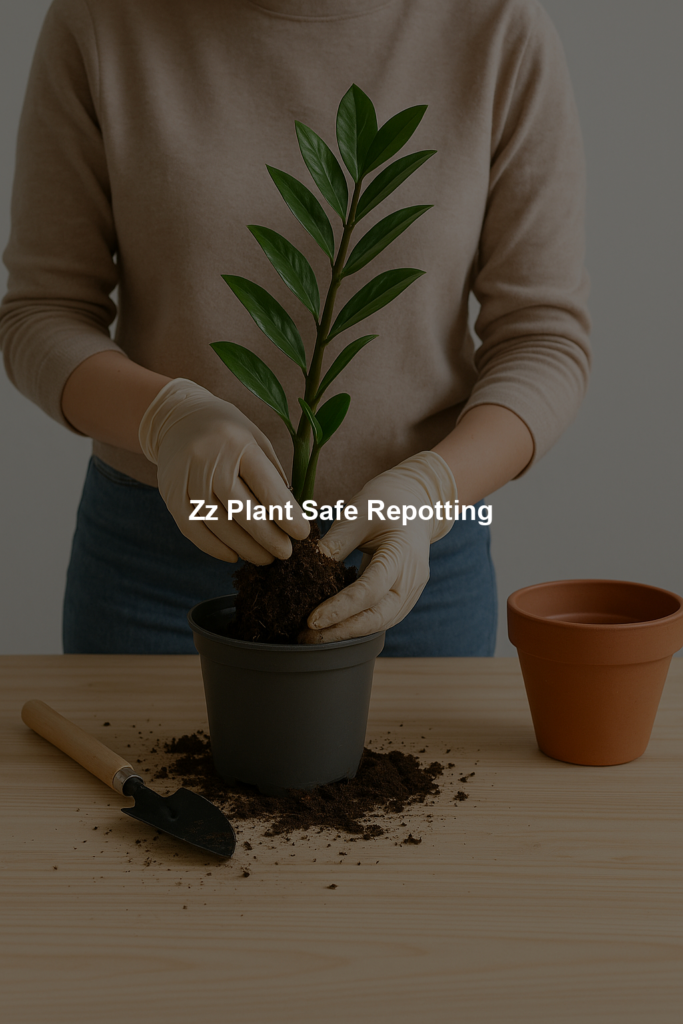
Repot the ZZ plant every 2–3 years in early spring. Select a pot one size larger than the current container, ensuring ample drainage holes. Gently tease the rhizomes apart to promote even root distribution, and prune any blackened sections with sterilized scissors.
Propagation Techniques
Stem Cuttings
Trim a healthy stem 4–6 inches long, preserving at least two nodes. Dip the base in rooting hormone before placing it in a moist, well‑draining medium. Cover with a clear plastic dome to maintain humidity, and expect root emergence within three weeks.
Leaf Divisions
Separate leaf clusters from the rhizome, each retaining a portion of the nutrient‑rich tissue. Plant the division at a shallow depth, keeping the crown above the substrate. Water sparingly until new shoots emerge, typically within six weeks.
Pest Management
Common pests include spider mites and mealybugs. Conduct weekly inspections, focusing on leaf undersides and rhizome junctions. An aqueous neem oil spray applied in the early morning mitigates infestations without damaging foliage. Persistent issues may require a systemic insecticide approved for indoor use.
Styling and Placement
The ZZ plant’s architectural foliage adapts to a variety of interior design schemes. Pair with minimalist metal stands for a sleek, modern look, or incorporate into a mixed‑plant display with ferns for contrast. Grouping multiple specimens at varying heights creates a layered visual effect that accentuates spatial dynamics.
Air Purification Benefits
Research by NASA indicates that ZZ plants efficiently absorb volatile organic compounds such as benzene and formaldehyde. Positioning the plant near office workstations or living areas contributes to improved indoor air quality, reinforcing its functional value beyond aesthetics.
Expert Tips for Zz Plant Zenzi Care Guide
- Rotate the pot 90 degrees monthly to ensure uniform light exposure across all sides.
- Use rainwater or distilled water to avoid mineral buildup that alters soil pH.
- Incorporate a thin layer of crushed charcoal at the bottom of the pot to enhance drainage and odor control.
- When moving a mature plant, keep the rhizome moist to reduce transplant shock.
- Observe leaf variegation; uniform deep green indicates optimal health, whereas yellowing suggests overwatering or insufficient light.
Frequently Overlooked Aspects
Seasonal Light Shifts
Daylight intensity diminishes by roughly 15 % during winter months. Adjust artificial lighting duration accordingly, extending photoperiods to 12–14 hours to compensate for natural light loss.
Pot Material Influence
Terracotta pots absorb moisture, naturally moderating soil humidity, whereas plastic retains water longer. Selecting the appropriate container aligns with the caretaker’s watering frequency and ambient humidity.
Soil pH Monitoring
ZZ plants prefer slightly acidic to neutral soils (pH 5.5–7.0). Periodic testing with a simple home kit prevents inadvertent alkalinity, which can impede nutrient uptake and manifest as leaf chlorosis.
FAQ
How often should I water my Zz Plant Zenzi Care Guide specimen?
Watering frequency depends on ambient conditions and pot size. In most indoor environments, allow the top 2 inches of soil to dry before rewatering, typically every 10–14 days during the growing season. Winter care requires extended intervals, often 3–4 weeks, as the plant’s metabolic demand declines.
What is the ideal lighting condition for a ZZ plant according to the Zz Plant Zenzi Care Guide?
Bright, indirect light yields the most vigorous foliage. An east‑ or north‑facing window or a location under diffused artificial light meets this criterion. Direct midday sun may scorch the leaves, while prolonged low‑light exposure can cause loss of leaf vigor and a pale hue.
Can the Zz Plant Zenzi Care Guide be used in low‑humidity environments?
Yes, the ZZ plant tolerates a broad humidity range, but extremely dry air (below 30 % relative humidity) may expose leaf margins to slight browning. Employing a humidifier or grouping plants together can raise local humidity, aligning it with the recommended 40 %–60 % range.
What are the signs of overwatering in a ZZ plant?
Symptoms include yellowing or softening of lower leaves, a musty odor from the soil, and visible rhizome rot—characterized by black, mushy sections at the base. Promptly reduce watering frequency and improve drainage to restore plant health.
How do I propagate a ZZ plant using leaf cuttings?
Select a healthy leaf with its petiole intact, trim cleanly, and dip the cut end in rooting hormone. Place the leaf on a moist, well‑draining substrate, keeping it shaded and humid. Roots typically develop within three weeks, after which gradual exposure to brighter light is advisable.
Is fertilizer necessary for the Zz Plant Zenzi Care Guide?
Fertilization enhances growth during active periods but is not mandatory. Apply a balanced, water‑soluble fertilizer at half strength every six weeks from spring to early autumn. Omit feeding in winter, when the plant’s growth naturally slows.
Can I display my ZZ plant outdoors temporarily?
The ZZ plant tolerates brief outdoor exposure in shaded, frost‑free conditions. Temperatures should remain above 50 °F (10 °C), and direct sun must be avoided. Longer outdoor periods increase the risk of pest infestation and leaf scorch, so the plant should be returned indoors promptly.