Zz Plant Safe Repotting is a disciplined process that safeguards the delicate rhizome system while encouraging vigorous new growth. Mastery of this procedure reduces transplant shock, preserves foliage density, and extends the longevity of one of the most forgiving indoor foliage plants.
Key Takeaways
- Choose a well‑draining, aerated substrate to prevent root rot.
- Repot during spring’s active growth window for optimal recovery.
- Select a pot only one size larger; excessive volume retains moisture.
- Handle the rhizome minimally; the plant stores water in its thick stems.
- Post‑repot, maintain consistent indirect light and moderate humidity.
Understanding the Importance of Zz Plant Safe Repotting
The Zz plant (Zamioculcas zamiifolia) stores water in its tuberous rhizomes, making it tolerant of neglect yet vulnerable to prolonged waterlogged conditions. Safe repotting preserves the integrity of these storage organs, preventing sudden desiccation or rot. Moreover, a refreshed growing medium supplies essential nutrients, facilitating leaf emergence and stem thickening. Ignoring proper repotting techniques can result in leaf yellowing, softened stems, and ultimately plant decline.
Expert Tips for Zz Plant Safe Repotting
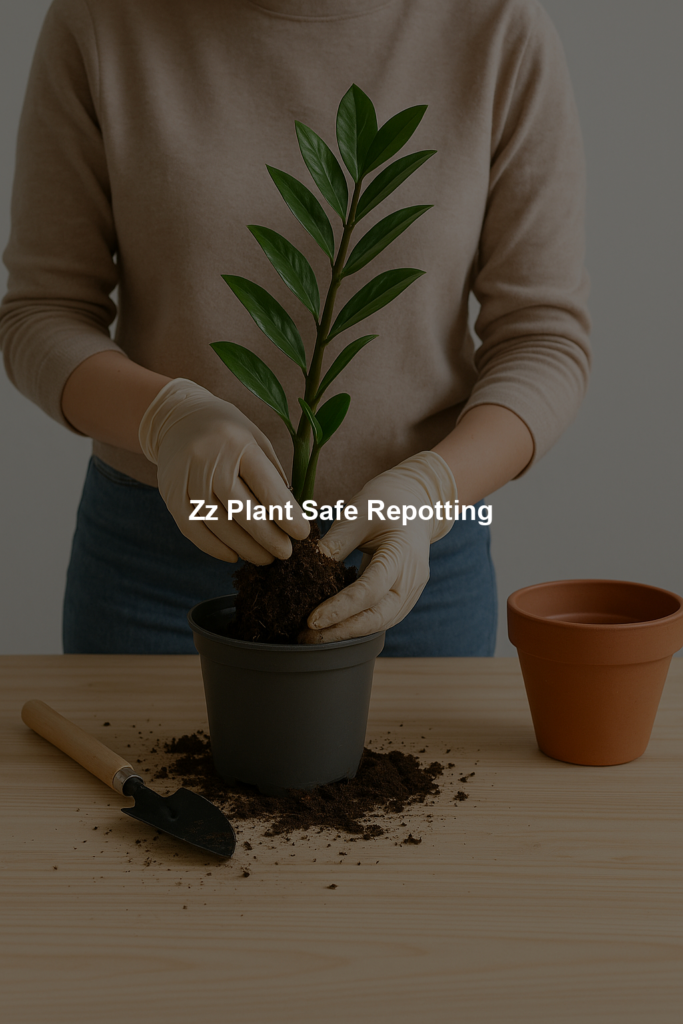
Begin with a thorough assessment of the existing potting mix; any sign of compaction or fungal growth warrants immediate replacement. Moistening the soil lightly a day before repotting encourages the rhizome to loosen naturally, reducing mechanical stress. When extracting the plant, support the lower stem with a hand while gently teasing the soil away. Trim only damaged or blackened roots, and apply a thin coating of fungicidal slurry to the cut surfaces. Finally, settle the new medium around the rhizome without compacting, and allow the plant to acclimate in a stable environment for at least two weeks.
Selecting the Optimal Growing Medium
Characteristics of an Ideal Mix
An optimal mix balances aeration with moisture retention. Incorporate coarse bark or perlite to create air pockets, while peat moss or coco coir offers modest water‑holding capacity. The pH should remain slightly acidic to neutral (6.0‑7.0) to align with the Zz plant’s natural preferences.
Recommended Formulations
A reliable recipe consists of 40 % high‑grade potting soil, 30 % coarse pine bark, 20 % perlite, and 10 % charcoal. This blend discourages fungal development and promotes root respiration. For growers in arid climates, substitute a portion of peat with vermiculite to retain minimal moisture without saturation.
Determining the Correct Pot Size and Material
Standard Size Increments
Increase pot volume by no more than 25 % compared with the current container. A 4‑inch diameter pot typically upgrades to a 5‑inch option, providing sufficient space for root expansion while avoiding excess media that could trap water.
Benefits of Terracotta vs. Plastic
Terracotta pots offer superior porosity, allowing the soil to “breathe” and reducing the risk of water stagnation. However, they are heavier and may crack under temperature fluctuations. High‑density polymer pots retain heat and are lightweight, but they require diligent drainage hole maintenance. Choose the material based on the plant’s placement and the grower’s handling preferences.
Timing and Seasonal Considerations
Active Growth Phase
The optimal window for Zz Plant Safe Repotting aligns with the plant’s spring emergence, generally between March and May in the Northern Hemisphere. During this phase, metabolic activity accelerates, enabling rapid recovery from root disturbance.
Dormant Period Adjustments
If repotting must occur in winter, reduce watering substantially and keep the plant in a brighter, cooler location to mimic natural dormancy cues. Expect a slower acclimation period and monitor closely for signs of stress.
Preparing the Plant for Transfer
Root Inspection and Pruning
Examine the rhizome network for mushy, discolored sections indicative of rot. Excise such tissue with sterilized pruning shears, cutting at a clean angle to minimize pathogen entry. Preserve healthy, firm rhizomes, as they constitute the plant’s primary water reservoir.
Moisture Management
Lightly mist the rhizomes with distilled water 12‑hours before repotting. This pre‑hydration softens the surrounding soil, allowing it to release more easily and decreasing the need for forceful manipulation.
Execution of the Repotting Procedure
Step‑by‑Step Sequence
- Place a measured layer of fresh medium at the bottom of the new pot.
- Gently coax the Zz plant from its current container, supporting the base of the stem.
- Position the plant centrally, ensuring the rhizome sits just below the rim.
- Backfill with the prepared mix, tapping lightly to eliminate air pockets.
- Add a thin surface mulch of decorative stones to improve drainage aesthetics.
Avoiding Common Injuries
Do not tug on the foliage; the stems are prone to bruising. Maintain a steady hand when adjusting the plant’s orientation, and refrain from compressing the soil, which can suffocate roots.
Post‑Repot Care Protocol
Watering Schedule
Resume watering only after the top two inches of medium dry out. Apply water slowly to allow it to permeate evenly, and avoid standing water in the saucer. A schedule of once every 10‑14 days typically suffices for indoor conditions.
Light and Humidity Adjustments
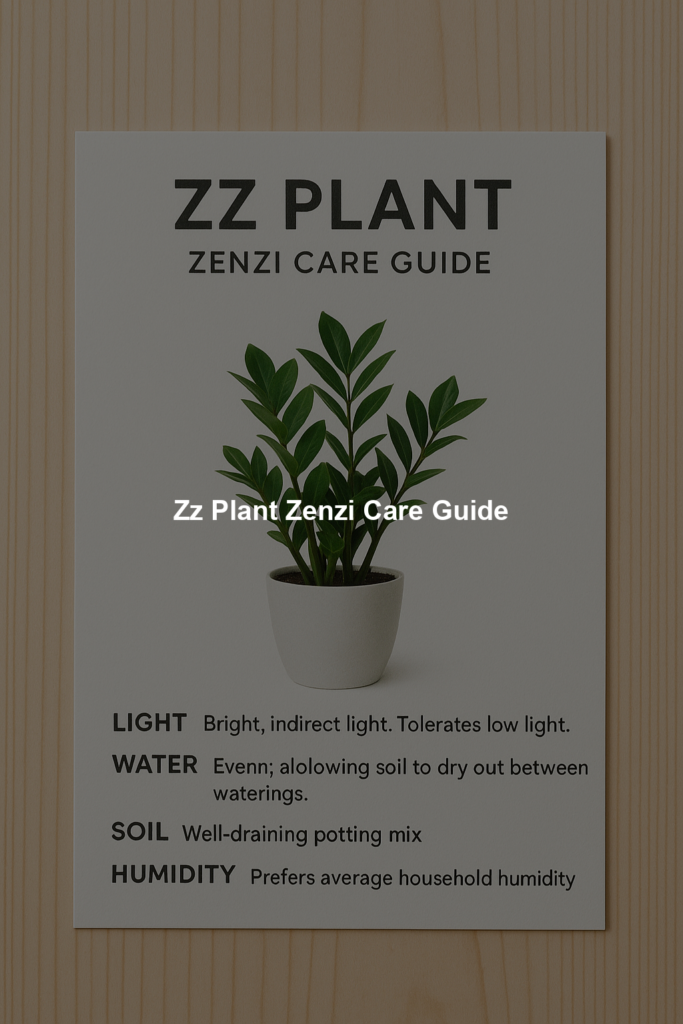
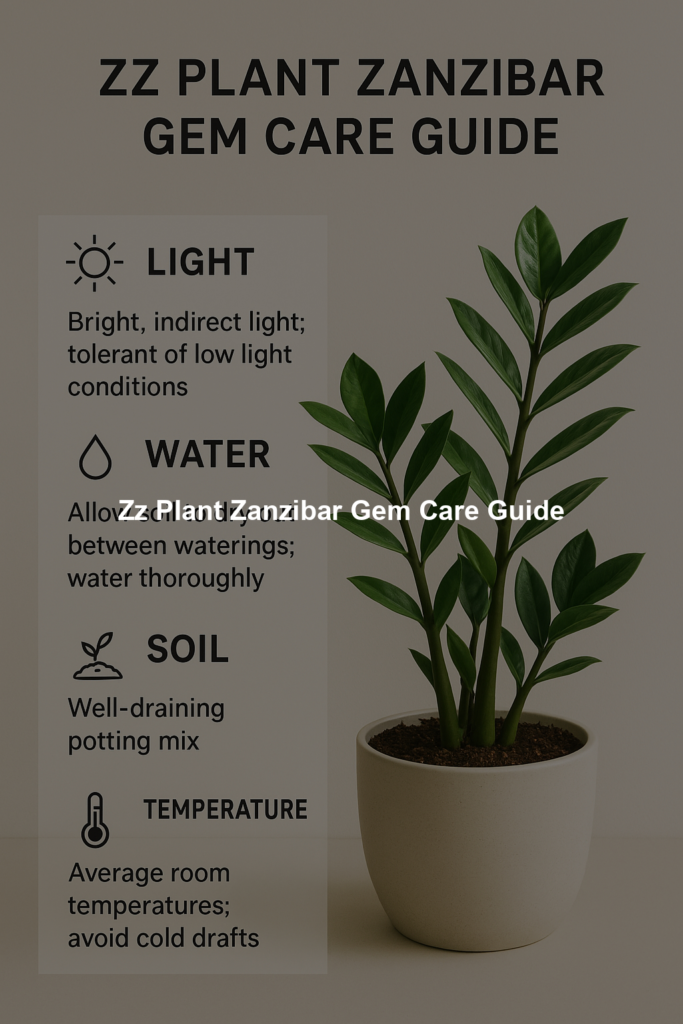
Position the repotted Zz near bright, indirect light—an east‑facing window is ideal. Maintain ambient humidity between 40 % and 60 %; a pebble tray can provide gentle moisture without creating a damp environment.
Monitoring for Stress Indicators
Foliar Symptoms
Yellowing leaves, softened margins, or premature leaf drop signal transplant stress. If observed, reduce watering further and ensure the plant receives consistent indirect light.
Root Development Checks
After six weeks, gently remove the plant to inspect root progression. Healthy roots appear white to light tan and spread outward. Absence of new growth warrants a reassessment of moisture levels and pot ventilation.
Frequently Overlooked Issues
Pot Drainage Blockage
Even a correctly drilled drainage hole can become obstructed by fine soil particles. Periodically flush the pot with lukewarm water to keep pathways clear.
Soil Compaction
Over‑tamping the medium compresses air spaces, impeding oxygen exchange. Lightly tap the pot’s sides during backfilling rather than pressing the soil down with force.
FAQ
How often should I repot my Zz plant?
Repotting every 2‑3 years is sufficient for most indoor Zz plants. However, observe root crowding or soil deterioration as immediate cues.
Can I use regular houseplant soil for Zz Plant Safe Repotting?
Standard houseplant mixes often retain excessive moisture. Modify them with additional perlite or coarse bark to achieve the required aeration for safe repotting.
What temperature range is ideal after repotting?
Maintain ambient temperatures between 65 °F and 80 °F (18 °C‑27 °C). Sudden drops below 60 °F can exacerbate transplant shock.
Is fertilizer necessary immediately after repotting?
Delay fertilization for four to six weeks post‑repot to allow the roots to re‑establish. When resuming, apply a diluted balanced liquid fertilizer at half strength.
How do I know if the rhizome is damaged during handling?
A healthy rhizome feels firm and shows no discoloration. If it feels mushy or appears brown/black, the tissue is compromised and should be trimmed back to healthy white tissue.
Should I prune the foliage before repotting?
Foliage pruning is generally unnecessary and can increase stress. Limit cuts to only damaged or diseased leaves.
What signs indicate that the pot size is too large?
Persistently soggy soil, a musty odor, or continual leaf yellowing suggest the pot holds excess moisture, indicating an oversized container.