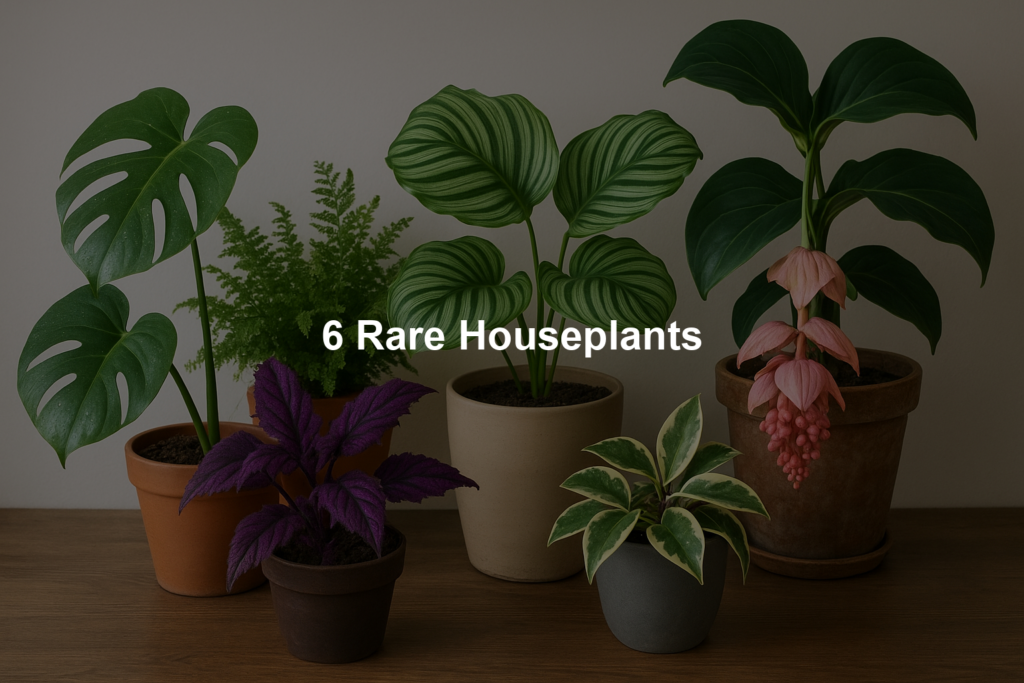
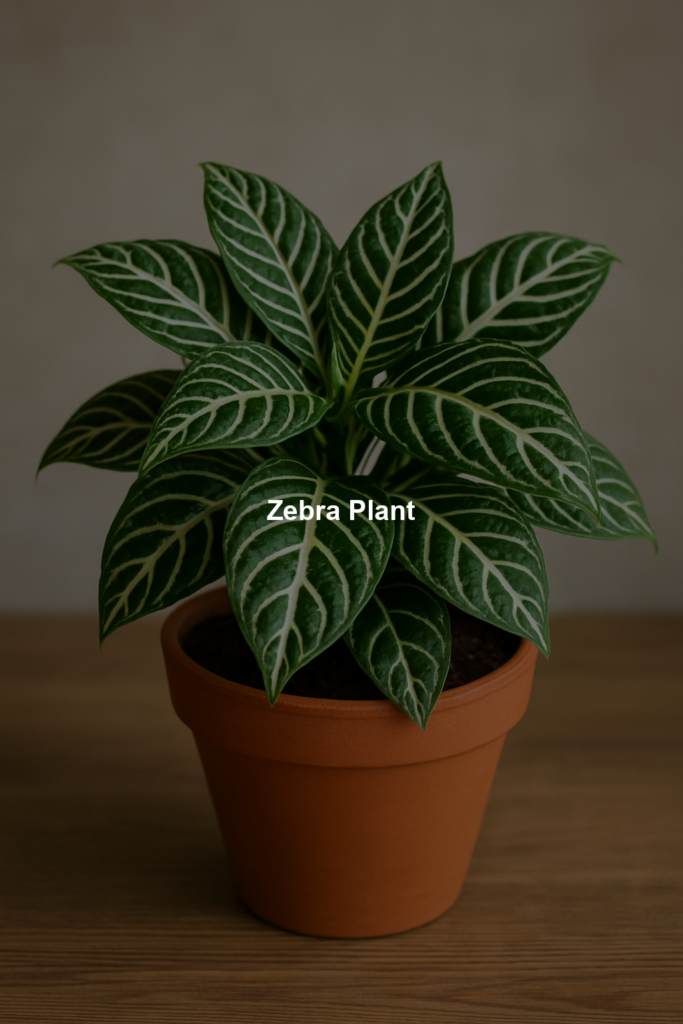
Zebra Plant (Aphelandra squarrosa) commands attention in both tropical gardens and contemporary interiors, its bold white‑striped leaves offering a graphic accent that thrives under precise cultural conditions. Mastery of its environmental preferences enables horticulturists to harness its full decorative potential year‑round.
Key Takeaways
- Bold, patterned foliage makes Zebra Plant a focal point in shaded interiors.
- Consistent moisture, high humidity, and bright indirect light are non‑negotiable.
- Well‑draining, organic‑rich soil promotes vigorous growth and reduces root rot.
- Regular fertilization and occasional pruning maintain compact form.
- Integrated pest management prevents common aphid and spider‑mite infestations.
Understanding the Importance of Zebra Plant
Beyond aesthetics, Zebra Plant contributes to indoor air quality by absorbing volatile organic compounds, a trait prized in passive ventilation strategies. Its presence in therapeutic environments supports biophilic design principles, linking visual appeal with measurable health benefits. Moreover, the plant’s moderate growth rate allows designers to create dynamic installations without overwhelming spatial proportions.
Expert Tips for Zebra Plant
Strategic placement near east‑facing windows supplies the filtered brilliance Zebra Plant requires while avoiding leaf scorch. Employ a humidity tray or misting schedule to sustain 60‑80 % relative humidity, replicating its native Atlantic forest understory. When repotting, select containers with a 2‑inch drainage layer of perlite to prevent water stagnation.
Zebra Plant
Light Requirements
Zebra Plant thrives in bright, indirect illumination; a minimum of 10 – 12 hours of filtered daylight encourages optimal chlorophyll development. Direct midday sun can damage the delicate variegation, resulting in brown margins. In low‑light offices, supplement with full‑spectrum LED fixtures calibrated to 3000 lux.
Soil Composition
A balanced medium of 40 % peat moss, 30 % pine bark fines, and 30 % coarse sand ensures aeration while retaining moisture. Incorporating a slow‑release fertilizer (e.g., 14‑14‑14 NPK) at planting time supplies essential nutrients for the first growth cycle. Periodic top‑dressing with compost tea enhances microbial diversity and root health.
Zebra Plant
Architectural Uses
Designers integrate Zebra Plant into living walls, where its vertical stripes amplify height and create illusionary depth. Groupings of three to five specimens, spaced 18 inches apart, generate a rhythmic pattern that harmonizes with minimalist furniture. In boutique retail, the plant softens sharp architectural lines, fostering an inviting shopper experience.
Seasonal Adjustments
During winter, reduced daylight necessitates supplemental lighting and a slight increase in watering frequency to counteract indoor heating dryness. Conversely, summer’s humidity surge may call for enhanced air circulation to deter fungal growth. Adjust fertilization to a bi‑monthly schedule in cooler months, returning to monthly applications as growth accelerates.
Propagation Techniques
Stem cuttings taken in early spring yield the highest success rate. Select healthy, non‑flowering shoots 4‑6 inches long, remove lower leaves, and dip the cut end in a 0.2 % indole‑3‑butyric acid rooting hormone. Place cuttings in a mist propagation chamber at 75 °F and 80 % humidity; roots typically emerge within three weeks.
Pest Management
Aphids and mealybugs exploit the plant’s tender new growth; routine inspections enable early intervention. Apply neem oil at a 1 % concentration, ensuring thorough coverage of leaf undersides. For spider mites, increase ambient humidity and introduce predatory phytoseiid mites as a biological control measure.
Watering Protocol
Adopt the “finger test” – insert the index finger 1 inch into the soil; water when the medium feels dry at that depth. Use room‑temperature, dechlorinated water to avoid root shock. Avoid standing water in saucers; excess moisture promotes crown rot, a common fatal condition for Zebra Plant.
Container Considerations
Ceramic pots with porous walls facilitate evaporative cooling, beneficial in warm climates. For mobile displays, lightweight fabric grow bags permit flexible repositioning while maintaining adequate drainage. Ensure the pot diameter exceeds the root ball by at least two inches to accommodate expansion.
Nutrient Management
During the active growth phase (spring‑summer), supplement with a balanced liquid fertilizer at half the recommended strength every two weeks. In flowering periods, increase potassium to support bud development, using a 5‑10‑15 formulation. Conduct quarterly soil pH tests; maintain a slightly acidic range of 5.5 – 6.5 for optimal nutrient uptake.
FAQ
How often should I prune my Zebra Plant?
Pruning should be performed after the plant completes its major flowering cycle, typically in late summer. Remove any leggy or discolored stems to encourage bushier growth. Trim no more than 20 % of the foliage at a time to avoid undue stress.
Can Zebra Plant survive in low‑light conditions?
While Zebra Plant tolerates moderate shade, prolonged low‑light environments lead to diminished variegation and elongated growth. If natural light is insufficient, supplement with a 12‑hour photoperiod using a 6500 K LED fixture positioned 12 inches above the canopy.
What are the signs of overwatering in Zebra Plant?
Common indicators include yellowing leaves, a soggy substrate, and a faint musty odor emanating from the pot. Root rot may manifest as soft, brown roots upon inspection. Remedy the condition by allowing the soil to dry for several days and reducing watering frequency.
How do I increase humidity for my Zebra Plant during winter?
Place the plant on a pebble tray filled with distilled water, ensuring the pot sits above the water line. Alternatively, employ a room humidifier set to maintain 65 % relative humidity. Grouping plants together also creates a micro‑climate that naturally raises ambient moisture.
Is it safe to keep Zebra Plant around pets?
Zebra Plant contains mild irritants that can cause gastrointestinal discomfort if ingested by cats or dogs. While not classified as highly toxic, it is advisable to position the plant out of reach of curious pets to prevent accidental nibbling.
What temperature range is ideal for Zebra Plant?
The plant thrives in temperatures between 68 °F and 82 °F (20 °C – 28 °C). Avoid exposure to drafts or sudden temperature drops below 55 °F, which can cause leaf discoloration and slowed growth. Consistent warmth, coupled with adequate humidity, mimics its native tropical habitat.
How long does it take for a Zebra Plant to reach maturity?
Under optimal conditions, Zebra Plant attains a mature height of 3 – 4 feet within 2 to 3 years. Growth rate is contingent upon light quality, nutrient availability, and watering consistency. Regular fertilization and proper pruning accelerate development, yielding a fuller specimen sooner.