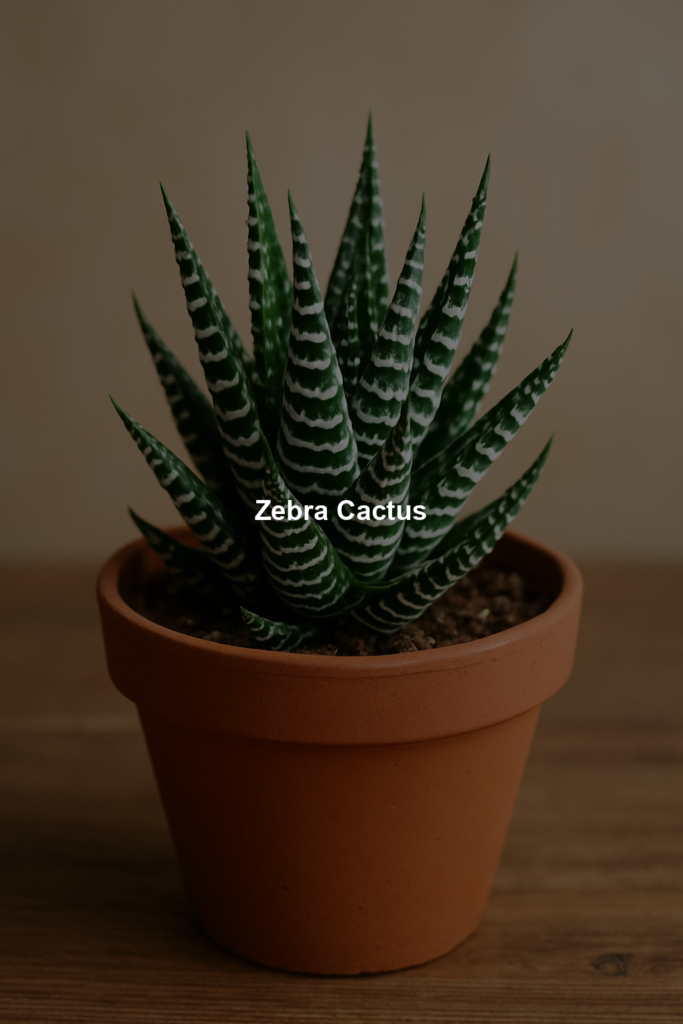
Zebra Cactus (Ecopsis spp.) offers striking striped foliage that adapts readily to interior spaces while demanding precise cultural practices. Its drought‑tolerant nature masks a sophisticated set of environmental preferences that seasoned growers must respect to maintain vigor and visual impact.
Key Takeaways
- Zebra Cactus thrives in bright, indirect light and tolerates brief morning sun.
- Well‑draining cactus mix and measured watering prevent root rot.
- Propagation is most successful via stem cuttings during warm months.
- Strategic placement enhances interior design, creating focal points in minimalist décor.
- Integrated pest management reduces the risk of mealybug and spider mite infestations.
Understanding the Importance of Zebra Cactus
The aesthetic allure of Zebra Cactus lies in its bold, white‑crested ribs that contrast sharply with deep green tissue. This pattern not only satisfies contemporary design trends but also provides a visual cue for optimal light exposure; the ridges align toward the brightest side, a natural adaptation to maximize photosynthesis. Recognizing this trait enables designers to position the plant where it contributes both form and function.
From an ecological perspective, the species exemplifies water‑use efficiency common to succulents. Its CAM (Crassulacean Acid Metabolism) pathway shifts stomatal opening to nocturnal hours, minimizing evaporative loss. This trait makes Zebra Cactus a sustainable choice for low‑maintenance interiors, reducing reliance on frequent irrigation and thereby conserving household water resources.
Expert Tips for Zebra Cactus
Light Management – Place the plant within six to eight feet of an unobstructed window, preferably north‑ or east‑facing, to receive bright, filtered illumination. Direct midday sun can scorch the epidermis, while insufficient light impairs rib development and leads to etiolation.
Watering Protocol – Adopt the “soak and dry” method: thoroughly moisten the substrate, then allow it to dry completely before the next watering cycle. In temperate climates, this typically translates to a watering interval of two to three weeks during summer and extending to six weeks in winter.
Soil Composition – Utilize a commercial cactus mix amended with 20 % coarse sand and 10 % perlite to increase porosity. The blend should retain minimal moisture while affording sufficient aeration for root respiration.
Fertilization – Apply a diluted (¼ strength) balanced, low‑nitrogen fertilizer once at the onset of the growing season. Excess nitrogen encourages foliage elongation at the expense of rib definition.
Temperature Control – Maintain ambient temperatures between 65 °F and 80 °F (18 °C–27 °C). Avoid exposure to temperatures below 50 °F (10 °C), which can cause irreversible tissue damage.
Cultivation Basics
Successful cultivation begins with selecting a pot equipped with drainage holes. Terra cotta containers are preferred for their porous nature, allowing excess moisture to evaporate. Position the pot on a saucer to capture runoff, preventing water accumulation on surfaces that could foster mold growth.
When repotting, gently loosen the root ball and trim any necrotic or overly long roots with sterilized scissors. Re‑introduce the plant into fresh substrate, ensuring the crown sits level with the pot rim to avoid water pooling.
Light & Temperature Requirements
Zebra Cactus is categorized as a high‑light succulent. A minimum of four hours of bright, indirect light per day sustains its photosynthetic rhythm. In low‑light offices, supplemental LED grow lights set on a 12‑hour photoperiod can bridge the deficit, preserving rib coloration and preventing etiolation.
Temperature stability is paramount; fluctuations exceeding 15 °F (8 °C) within a single day stress the plant’s metabolic processes. Use insulated window coverings during winter drafts and avoid placing the cactus near heating vents, which can create localized desiccation.
Watering & Soil Science
The cactus’s succulent tissue stores water, reducing the necessity for frequent irrigation. Overwatering is the most common cause of failure, often manifesting as translucent, mushy stems. Conduct a finger‑test: insert a finger two inches into the soil; if it feels dry, water is warranted.
Soil pH should range from 6.0 to 7.0, mirroring the slightly acidic to neutral conditions of its native habitat. Periodic testing with a simple pH kit ensures the medium remains within this optimal window, preventing nutrient lockout.
Propagation Techniques
Stem cuttings yield the highest success rate. Using a sterilized, sharp knife, excise a 4‑ to 6‑inch segment from a healthy parent stem. Allow the cut end to callous for 24–48 hours in a shaded, ventilated area to reduce fungal ingress.
After callousing, plant the cutting vertically in a shallow well of cactus mix, burying only the node. Maintain high humidity by covering the pot with a clear plastic dome, removing it gradually over two weeks to acclimate the new plant to ambient conditions.
Design Applications
Zebra Cactus serves as a sculptural element in modern interiors. Its vertical growth habit complements minimalist furniture, while its striking ribs draw the eye, making it ideal for focal points in entryways or conference rooms. Pair with neutral-toned planters to accentuate the white ribbing, or use contrasting dark ceramics for a dramatic effect.
In commercial settings, the plant’s low maintenance and air‑purifying qualities support wellness‑focused design concepts. Its ability to thrive in low‑traffic zones allows designers to integrate greenery without compromising on upkeep.
Health & Environmental Benefits
Beyond aesthetics, Zebra Cactus contributes to indoor air quality by absorbing volatile organic compounds (VOCs) such as formaldehyde. Its CAM metabolism also releases oxygen during nighttime, fostering a healthier breathing environment for occupants.
The plant’s drought‑resilience aligns with sustainable design principles, reducing water consumption and minimizing the carbon footprint associated with frequent plant care.
Pest Management
Common pests include mealybugs, spider mites, and fungal gnats. Early detection is critical; inspect leaves weekly for cottony masses or fine webbing. Apply a targeted insecticidal soap spray, ensuring thorough coverage of rib crevices where pests conceal.
For fungal gnats, allow the substrate to dry more completely between waterings and consider a top‑dressing of horticultural sand to deter egg laying. Beneficial nematodes introduced into the soil can provide biological control without harming the cactus.
FAQ
How much light does Zebra Cactus need for optimal rib development?
Zebra Cactus requires bright, indirect light for an average of six to eight hours daily. Exposure to filtered morning sun encourages the development of pronounced white ribs, while direct afternoon sun may cause scorching. In low‑light environments, supplemental LED grow lighting set on a 12‑hour cycle can maintain rib coloration and prevent etiolation.
What is the best watering schedule for Zebra Cactus in winter?
During winter, the plant’s metabolic rate slows, reducing water demand. Adopt a conservative schedule: water only when the top two inches of soil feel completely dry, typically every six to eight weeks. Ensure excess water drains away and avoid leaving the pot in standing water, as low temperatures increase the risk of root rot.
Can Zebra Cactus be grown outdoors in temperate climates?
Outdoor cultivation is feasible in USDA hardiness zones 9b–11, where winter temperatures remain above 50 °F (10 °C). Choose a sheltered, sun‑protected location to mimic its native understory conditions. In cooler zones, consider growing the cactus in a container that can be moved indoors during frost events.
What propagation method yields the highest success rate for Zebra Cactus?
Stem cuttings taken during the warm growing season provide the most reliable propagation results. After allowing the cut end to callous for 24–48 hours, plant the cutting in a well‑draining cactus mix and maintain high humidity until roots develop. Rooting typically occurs within three to four weeks under optimal temperature and light conditions.
How does Zebra Cactus contribute to indoor air purification?
Zebra Cactus absorbs certain volatile organic compounds, notably formaldehyde, through its leaf surface and root system. Its CAM photosynthetic pathway also releases oxygen during nighttime, enhancing indoor air quality. While not a substitute for mechanical filtration, it offers a complementary, low‑maintenance air‑cleaning benefit.