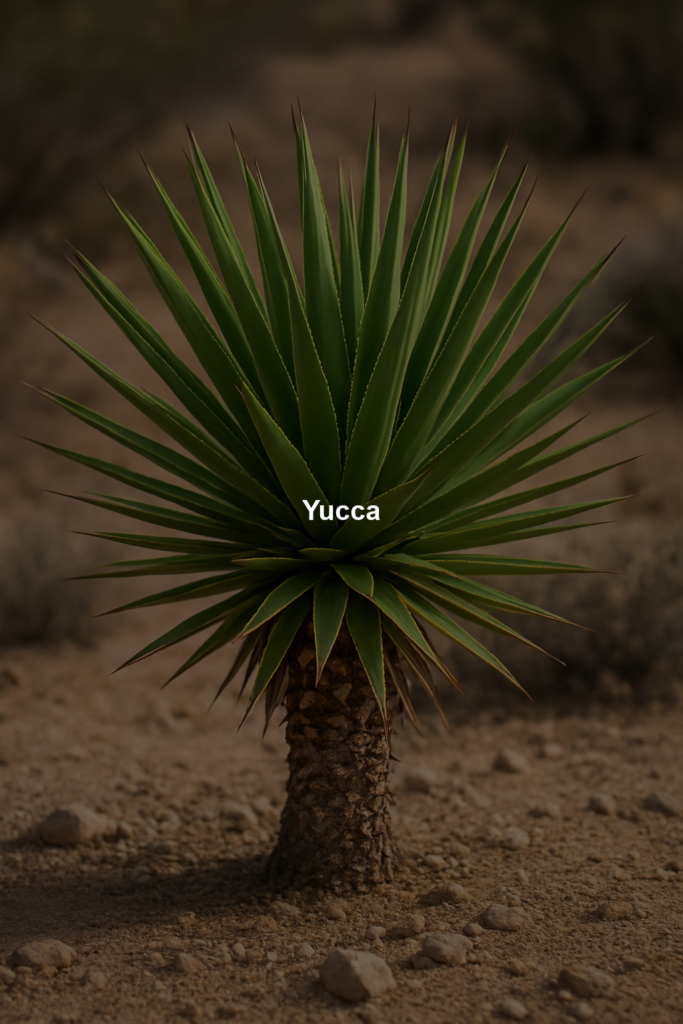
Yucca plants combine striking architectural foliage with exceptional resilience, making them a staple for sophisticated interior gardens and xeriscape designs. Their sword‑like leaves and towering flower spikes provide structural contrast, while a low water demand aligns with sustainable design principles.
Key Takeaways
- Structural foliage: Upright, ribbed leaves create dramatic indoor focal points.
- Low‑maintenance: Adaptable to drought, neglect, and a wide temperature range.
- Design flexibility: Suitable for minimalist interiors, tropical themes, and modern exteriors.
- Propagation ease: Division, offsets, and seed germination are reliable methods.
- Pest resilience: Few common issues; most problems are preventable with proper care.
Understanding the Importance of Yucca
Yucca’s botanical robustness translates into design reliability; architects and interior stylists rely on its predictable growth habit to sculpt space. The plant’s evergreen nature ensures year‑round visual interest, while its iconic silhouette complements both contemporary minimalism and traditional décor. Moreover, the fibrous leaf fibers have historic uses in weaving, underscoring Yucca’s cultural significance beyond horticulture.
Expert Tips for Yucca
Begin with a well‑draining substrate composed of sand, perlite, and coarse loam; excess moisture is the principal threat to Yucca health. Position the pot in bright, indirect light to encourage compact growth; direct midday sun is tolerable but may scorch leaves if humidity is high. Water sparingly—allow the top inch of soil to dry between applications—to mimic the plant’s native arid environment.
Yucca
Taxonomically, Yucca belongs to the Asparagaceae family, subfamily Agavoideae, encompassing more than 40 species native to the Americas. The genus name derives from the Carib word “yuca,” reflecting early indigenous use of the plant’s edible parts. While many species are cultivated for ornamental purposes, others, such as Yucca filamentosa, have culinary and medicinal applications rooted in traditional practices.
Yucca
The most widely cultivated varieties include Yucca gloriosa (Spanish dagger) and Yucca elephantipes (spineless yucca), each prized for distinct aesthetic attributes. Y. gloriosa displays glossy, blue‑green leaves with a central spine, thriving in coastal gardens; Y. elephantipes produces a swollen caudex topped with narrow, arching fronds, ideal for indoor statement pieces. Selecting a species aligned with the intended spatial context enhances both visual impact and cultural authenticity.
Cultivation Requirements
Light Exposure
Yucca thrives in full sun to bright indirect light; a minimum of six hours of direct irradiation promotes dense leaf production. In low‑light interiors, anticipate elongated growth and potential etiolation, which can be corrected by gradual exposure to brighter conditions.
Water Management
Adopt a “wet‑dry‑wet” irrigation cycle: water thoroughly, allow the medium to dry completely, then water again. Over‑watering leads to root rot, particularly in cooler seasons when metabolic activity declines.
Soil Composition
A gritty, well‑draining mix prevents moisture accumulation around the rhizome. Incorporate coarse sand, orchid bark, or pumice to replicate the plant’s native rocky substrates.
Temperature Tolerance
Most Yucca species tolerate temperatures from 50 °F (10 °C) up to 95 °F (35 °C). Sudden freezes damage foliage; move potted specimens indoors or provide frost cloths in temperate zones.
Design Applications
Interior Styling
Place a mature Yucca in a minimalist loft to accentuate vertical lines, or use a dwarf cultivar on a sleek console table for a sculptural accent. Pair with matte pottery and muted textiles to let the plant’s geometric leaves dominate the visual hierarchy.
Outdoor Landscaping
Integrate Yucca into xeriscape beds beside stone pathways, using its dense foliage to soften hardscape edges. Group multiple specimens for a rhythmic grove effect, or combine with ornamental grasses for dynamic textural contrast.
Commercial Spaces
Retail environments benefit from Yucca’s low upkeep and striking presence; its austere form frames merchandise without competing for attention. In hospitality lobbies, a tall Yucca can serve as a living sculpture, reinforcing a brand’s commitment to sustainable design.
Pest and Disease Management
The most common afflictions include mealybug infestations and fungal leaf spot under excessively humid conditions. Routine inspection and early removal of infested material curb outbreaks. Applying neem oil or insecticidal soap at the first sign of pest activity preserves plant vigor without compromising indoor air quality.
Propagation Techniques
Division
During repotting, separate offsets that develop at the base of the parent plant. Trim the roots minimally, re‑plant in fresh, well‑draining media, and withhold water for 48 hours to reduce transplant shock.
Stem Cutting
Select a healthy stem segment 6–8 inches long, allow the cut end to callous for three days, then insert into a sandy substrate. Maintain moderate humidity and indirect light until roots emerge, typically within four weeks.
Seed Germination
Collect mature seed pods in late summer; scarify the seed coat lightly with sandpaper to enhance water uptake. Sow on the surface of a moist seed‑starting mix, cover with plastic to maintain humidity, and provide bright, filtered light. Germination occurs within two to three weeks under optimal conditions.
Architectural Integration
When collaborating with architects, recommend Yucca for atrium installations where natural light filters through skylights, allowing the plant to act as a living column. Its ability to thrive in low‑nutrient substrates reduces structural load, a valuable consideration for rooftop gardens and green walls.
Seasonal Care Schedule
- Spring: Increase watering gradually as new growth initiates; fertilize with a balanced, slow‑release formula at half strength.
- Summer: Maintain regular watering, monitor for sun scorch, and prune any damaged leaves.
- Fall: Reduce irrigation frequency, discontinue fertilizer, and prepare indoor locations for overwintering.
- Winter: Keep in a cool, bright space; water only when the medium is completely dry, and avoid temperatures below 50 °F.
FAQ
How often should I water my indoor Yucca?
Water only when the top 2–3 cm of soil feels dry to the touch. In most indoor climates, this equates to every 10–14 days during the growing season and even less frequently in winter. Over‑watering is the primary cause of root rot in Yucca.
Can Yucca be grown in containers year‑round?
Yes, Yucca adapts well to container culture provided the pot offers ample drainage and the soil remains gritty. Relocate the container to a brighter location as daylight lengthens, and protect it from freezing temperatures by moving it indoors or using an insulated greenhouse.
What is the ideal soil mix for a Yucca plant?
A mix of one part coarse sand, one part perlite or pumice, and one part loamy potting soil creates the necessary aeration and drainage. This composition mimics the plant’s native rocky environments and prevents waterlogged conditions.
How do I prune a Yucca to maintain its shape?
Remove damaged or yellowing leaves at the base using clean, sharp pruning shears. For size control, cut the central stalk just above a leaf node; the plant will produce new shoots from the node below. Pruning is best performed in early spring before vigorous growth resumes.
Are Yucca plants pet‑friendly?
Most Yucca species are considered mildly toxic to cats and dogs if ingested, causing gastrointestinal irritation. Place the plant out of reach of pets or choose non‑toxic alternatives such as Sansevieria for households with curious animals.
What common pests affect Yucca and how can they be managed?
Mealybugs and spider mites are the primary pests. Treat infestations early with a neem‑oil spray or insecticidal soap, ensuring thorough coverage of leaf undersides. Maintaining low indoor humidity reduces mite proliferation.
Can Yucca survive in low‑light interior spaces?
Yucca tolerates low to moderate light but will exhibit slower growth, elongated leaves, and reduced flower production. Gradually increase light exposure if possible; supplemental grow lights can compensate for insufficient natural illumination.