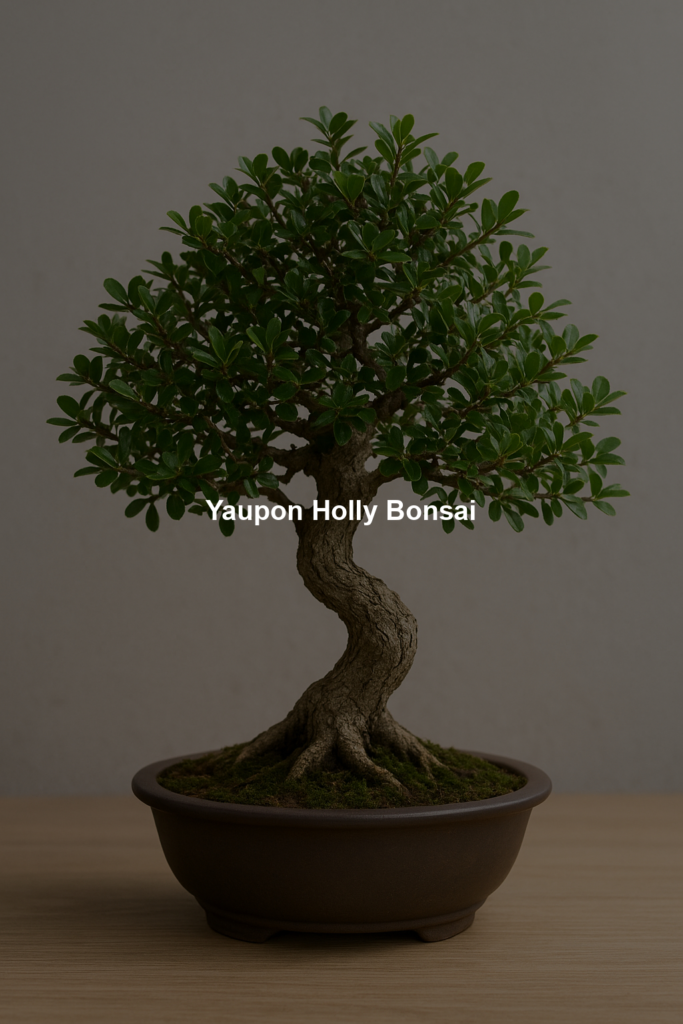
Yaupon Holly Bonsai combines the resilience of Ilex vomitoria with the artistic discipline of bonsai culture, offering interior designers a compact evergreen capable of withstanding low‑light environments while retaining striking foliage. Mastering its unique physiological traits allows horticulturists to produce refined compositions that enhance contemporary interiors and formal gardens alike.
Key Takeaways
- Yaupon Holly Bonsai tolerates indoor conditions better than most conifers, thriving in bright, indirect light.
- Pruning and wiring should respect the species’ natural leaf‑scale pattern to avoid stress‑induced dieback.
- A well‑draining, slightly acidic substrate supports the plant’s shallow root system and encourages fine root proliferation.
- Seasonal water management, combined with periodic fertilization, sustains vigorous growth throughout the year.
Understanding the Importance of Yaupon Holly Bonsai
The taxonomic stability of Ilex vomitoria lends Yaupon Holly Bonsai a predictable growth habit, making it an ideal candidate for beginners and seasoned bonsai artists. Its evergreen foliage provides year‑round visual interest, a key attribute for interior design projects that require constant aesthetic presence. Moreover, the species’ natural tolerance to drought and heat mirrors the demands of modern indoor climates, where temperature fluctuations are common.
From a design perspective, the small, glossy leaves of Yaupon Holly Bonsai create a textural counterpoint to larger ornamental pieces, allowing designers to craft layered compositions that balance form and function. Its modest size—typically 30–45 cm in height for a mature bonsai—facilitates placement on tabletops, shelves, or narrow windowsills without overwhelming the surrounding décor.
Expert Tips for Yaupon Holly Bonsai
Lighting: Position the bonsai near an east‑oriented window to capture gentle morning sun while avoiding harsh midday exposure that can scorch the leaf edges. Supplemental LED grow lights set to a 12‑hour photoperiod replicate the natural day‑night cycle during winter months.
Watering: Apply water until runoff is observed, then allow the substrate to dry uniformly to a depth of 2–3 cm before the next irrigation. Over‑watering is the principal cause of root rot in Yaupon Holly Bonsai; a moisture meter can aid in maintaining optimal levels.
Fertilization: Use a balanced, slow‑release fertilizer calibrated to 10‑10‑10 NPK, applied once per month during active growth (spring through early autumn). Reduce feeding in late autumn to encourage a natural dormancy period.
Pruning: Conduct structural pruning in early spring after leaf emergence, removing no more than 30 % of the canopy to preserve vigor. Trim new shoots to maintain leaf size consistency, which sustains the aesthetic miniature effect.
Wiring: Implement wiring during the late spring growth surge when shoots are supple. Use 1 mm copper wire for primary branch shaping and 0.5 mm for finer foliage adjustments, removing the wire before it begins to embed in the bark.
Selecting a Specimen
A quality Yaupon Holly Bonsai begins with a healthy nursery stock. Prioritize plants displaying firm, glossy leaves free of discoloration or petiole necrosis. Examine the root ball for an even distribution of fine roots; excessive coarse roots indicate a need for aggressive pruning.
Potting Media and Drainage
The ideal substrate blends akadama, pumice, and fine pine bark in a 2:1:1 ratio, creating a porous matrix that encourages aeration while retaining sufficient moisture. Incorporate a thin layer of coarse gravel at the pot base to enhance bottom drainage, preventing water stagnation that could compromise root health.
Pruning and Wiring Techniques
Structural pruning establishes the primary branch framework, aligning with the traditional “formal upright” or “informal cascade” styles. When wiring, ensure the wire follows the natural curvature of the branch to avoid creating unnatural tension points. Monitor the plant weekly; remove wires before they begin to cut into the bark, typically within 6–8 weeks.
Watering Regimen and Seasonal Adjustments
During winter, indoor heating can desiccate the ambient air, necessitating a modest increase in watering frequency. Conversely, in summer, higher transpiration rates require thorough saturations twice weekly, especially after heavy pruning sessions.
Pest and Disease Management
Yaupon Holly Bonsai is susceptible to spider mites, scale insects, and fungal leaf spots. Conduct bi‑weekly inspections, applying neem oil or horticultural oil at the first sign of infestation. For fungal issues, reduce humidity and treat with a copper‑based fungicide following label instructions.
Seasonal Care Calendar
- January–February: Reduce fertilization; maintain minimal watering; inspect for dormant pests.
- March–April: Initiate structural pruning; begin gradual increase in feeding; introduce supplemental lighting if daylight is limited.
- May–July: Execute wiring; increase irrigation; monitor for heat stress.
- August–September: Conduct leaf‑size maintenance pruning; begin tapering fertilizer.
- October–December: Transition to reduced watering; allow natural leaf senescence; prepare the bonsai for dormancy.
Stylistic Forms and Composition
Yaupon Holly Bonsai adapts well to classic bonsai forms such as “Shakan” (slanting trunk) and “Kengai” (root‑over‑rock). Its dense foliage supports “forest planting” techniques, where multiple specimens create a miniature woodland tableau within a single container. When integrating with interior décor, consider pairing the bonsai with muted earth‑tone ceramics to accentuate its deep green foliage.
FAQ
How often should I repot a Yaupon Holly Bonsai?
Repotting is recommended every 3–4 years during early spring, before new growth commences. This interval allows the root system to expand without becoming pot‑bound, preserving the tree’s structural integrity.
What is the optimal light level for indoor Yaupon Holly Bonsai?
Aim for a minimum of 1,200 foot‑candles of indirect light, equivalent to a bright north‑facing window or filtered east exposure. Supplemental LED lighting should provide a balanced spectrum for 12 hours daily during low‑light seasons.
Can Yaupon Holly Bonsai survive in low‑humidity environments?
While the species tolerates moderate humidity fluctuations, prolonged periods below 30 % relative humidity can impede transpiration and promote pest infestations. Using a humidity tray or misting lightly during dry winter months mitigates stress.
Is it safe to use chemical fertilizers on Yaupon Holly Bonsai?
Yes, provided the fertilizer is balanced and applied at half the recommended rate for outdoor hollies. Over‑fertilization accelerates leaf growth at the expense of root development, increasing susceptibility to root rot.
How do I prevent wire marks on the bark?
Monitor wired branches closely; remove the wire before it begins to embed, typically within 6–8 weeks. If marks appear, gently rub the affected area with a soft cloth and apply a thin coat of bonsai sealant to promote healing.
What common pests should I watch for on Yaupon Holly Bonsai?
Spider mites, cottony cushion scale, and aphids are the primary concerns. Early detection through regular leaf inspections enables prompt treatment with horticultural oil, reducing the likelihood of severe infestations.
Does Yaupon Holly Bonsai require dormancy, and how is it achieved indoors?
Yes, a dormant period is essential for vigor. Replicate winter conditions by lowering temperature to 10–12 °C (50–55 °F) and reducing daylight exposure to 8–10 hours per day for 8–10 weeks. This practice encourages natural growth cycles and strengthens the tree’s resilience.