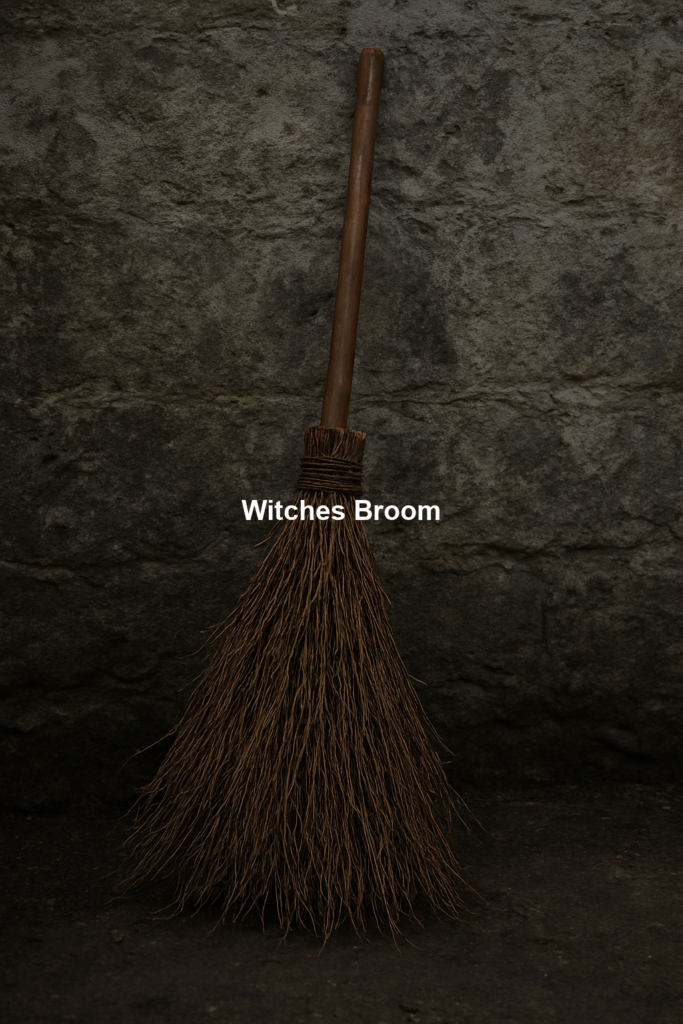
Witches Broom presents a distinctive syndrome in woody plants, manifesting as dense clusters of shortened shoots that resemble a sweeping broom. The condition can arise from fungal pathogens, phytoplasmas, insects, or environmental stress, and its impact ranges from aesthetic blemish to severe decline. Understanding the etiology, early detection, and integrated control measures is essential for maintaining both outdoor orchards and interior garden installations.
Key Takeaways
- Early identification of Witches Broom reduces the need for extensive chemical intervention.
- Cultural sanitation and host‑selection are the most sustainable preventive strategies.
- Integrated management blends biological controls, targeted chemicals, and design‑level considerations.
Understanding the Importance of Witches Broom
Witches Broom is more than a visual curiosity; it signals systemic disruption in a plant’s vascular and hormonal balance. When the pathogen interferes with auxin transport, apical dominance collapses, prompting lateral meristems to proliferate unchecked. This physiological shift not only diverts resources from fruiting and flowering but also creates a micro‑habitat favorable to secondary pests.
In commercial orchards, unchecked Witches Broom can diminish yields by up to 30 %, especially in stone fruits where the disease compromises blossom development. In interior garden contexts, the unsightly clusters undermine design intent, particularly in minimalist installations where line and form are paramount.
The economic ramifications extend to quarantine regulations. Many countries list Witches Broom‑inducing agents as quarantine pests, influencing import‑export decisions for nursery stock. Consequently, horticultural professionals must align disease management with phytosanitary compliance.
Expert Tips for Witches Broom
Effective mitigation begins with rigorous scouting. Inspect the upper third of the canopy weekly during peak growth periods, noting any new dwarf shoot formations. Document spatial patterns; worm‑shaped clusters often indicate insect‑vector transmission, while random, scattered brooms may point to phytoplasma infection.
Sanitation remains the cornerstone of cultural control. Prune affected shoots with sterilized tools, removing at least 5 cm of healthy tissue beyond the symptomatic zone. Dispose of pruned material by incineration or deep burial to prevent pathogen persistence in the orchard floor.
Host‑selection strategies further limit disease pressure. Opt for cultivars with documented resistance, such as certain peach (Prunus persica) and elm (Ulmus spp.) selections that exhibit reduced susceptibility to the Meliola and Candidatus Phytoplasma strains most commonly associated with Witches Broom.
When chemical intervention becomes necessary, systemic fungicides containing phosphonates or triazoles should be applied according to label rates early in the season, prior to shoot emergence. Rotate active ingredients to mitigate resistance development, and always integrate a pre‑harvest interval that protects fruit quality.
Biological controls, though still emerging, show promise. Endophytic Trichoderma spp. isolates can outcompete fungal agents within the vascular tissue, while parasitoid wasps such as Aphytis spp. target the aphid vectors that transmit phytoplasmas. Incorporating these agents into a holistic program reduces reliance on synthetic inputs.
Design integration is equally vital for interior settings. Position ornamental trees in zones with stable microclimates, avoiding drafts that exacerbate stress‑induced brooms. Pair susceptible species with companion plants that improve air circulation and reduce humidity peaks—conditions that favor fungal proliferation.
Causes and Pathogens Behind Witches Broom
The term “Witches Broom” encompasses a spectrum of etiological agents, each demanding specific diagnostic protocols.
Fungal Pathogens
Moniliophthora perniciosa and Meliola spp. are classic fungal culprits affecting cacao and ornamental palms, respectively. They infiltrate the phloem, producing polysaccharide matrices that impede nutrient flow. Detection relies on microscopic examination of stained tissue sections, revealing hyphal intrusion and conidial structures.
Phytoplasmas
These wall‑less bacteria reside within sieve elements, transmitted primarily by leafhopper insects. Molecular assays—polymerase chain reaction (PCR) with primers targeting the 16S rRNA gene—provide definitive identification. Phytoplasma‑induced brooms often exhibit accompanying leaf yellowing and premature leaf drop.
Insect Vectors
Aphids, leafhoppers, and certain scale insects act as vectors for both fungi and phytoplasmas. Their feeding activity introduces pathogens directly into the plant’s vascular system. Monitoring vector populations with yellow sticky traps enables timely interventions before disease establishment.
Abiotic Stressors
Nutrient imbalances, especially excessive nitrogen, can mimic brooming by promoting shoot proliferation. Drought stress, temperature extremes, and improper pruning also disrupt hormonal signaling, leading to temporary broom-like growth. Differentiating abiotic from biotic origins is essential for appropriate management.
Diagnosing Witches Broom Across Species
Accurate diagnosis begins with a systematic visual assessment, followed by targeted laboratory analysis where necessary.
Ornamental Trees (e.g., Japanese Maple, Magnolia)
Examine the apex for dense, recursively branching shoots. Conduct a tactile test; affected shoots are often pliable and lack lignification. If fungal infection is suspected, sample bark from the base of the broom for culturing on potato dextrose agar.
Fruit Trees (e.g., Apple, Peach)
Observe for reduced blossom density and malformed fruit set. Phytoplasma testing is recommended, as many fruit tree brooms are vector‑borne. Collect young leaf tissue from symptomatic shoots for PCR analysis within 24 hours of sampling to preserve DNA integrity.
Indoor Palms and Ficus
Indoor environments often suppress vector activity, pointing to fungal causes or nutrient excess. Perform a leaf tissue blot and stain with lactophenol cotton blue to visualize fungal structures. Soil testing for nitrogen and potassium levels can uncover underlying abiotic triggers.
Cultural Strategies for Prevention
Prevention is most cost‑effective when woven into routine horticultural practices.
Site Selection and Soil Health
Choose planting sites with well‑draining soils, as waterlogged conditions favor fungal sporulation. Incorporate organic matter to promote a balanced microbial community that antagonizes pathogens.
Pruning Discipline
Implement a pruning schedule that respects each species’ natural growth habit. Remove crossing branches and thin dense canopies to improve light penetration, reducing humidity pockets where spores thrive.
Nutrient Management
Adopt a calibrated fertilization regime based on soil test results. Avoid excessive nitrogen applications during early vegetative stages, as this can precipitate shoot proliferation resembling brooming.
Vector Management
Employ integrated pest management (IPM) to control leafhopper and aphid populations. Utilize reflective mulches, introduce predator insects, and apply selective insecticides only when threshold levels are exceeded.
Chemical and Biological Controls
When cultural measures prove insufficient, judicious use of chemicals and biological agents can suppress disease progression.
Systemic Fungicides
Phosphonate compounds, applied as foliar sprays at 5 g L⁻¹, enhance the plant’s own defensive pathways. Triazole fungicides, such as propiconazole, inhibit ergosterol synthesis in fungal membranes, curbing colonization.
Targeted Antibiotics for Phytoplasmas
While antibiotics are rarely recommended for ornamental use, oxytetracycline trunk injections have shown efficacy in experimental orchard trials. Application timing is critical—inject during early spring when sap flow is maximal.
Biological Agents
Commercial formulations of Trichoderma harzianum applied as a soil drench colonize root zones, outcompeting pathogens for space and nutrients. Parasitoid releases, timed with peak vector emergence, can dramatically lower transmission rates.
Integrating Witches Broom Management into Interior Garden Design
Interior garden styling demands a seamless blend of aesthetics and plant health, requiring proactive disease management that does not compromise visual intent.
Species Selection for Low‑Risk Environments
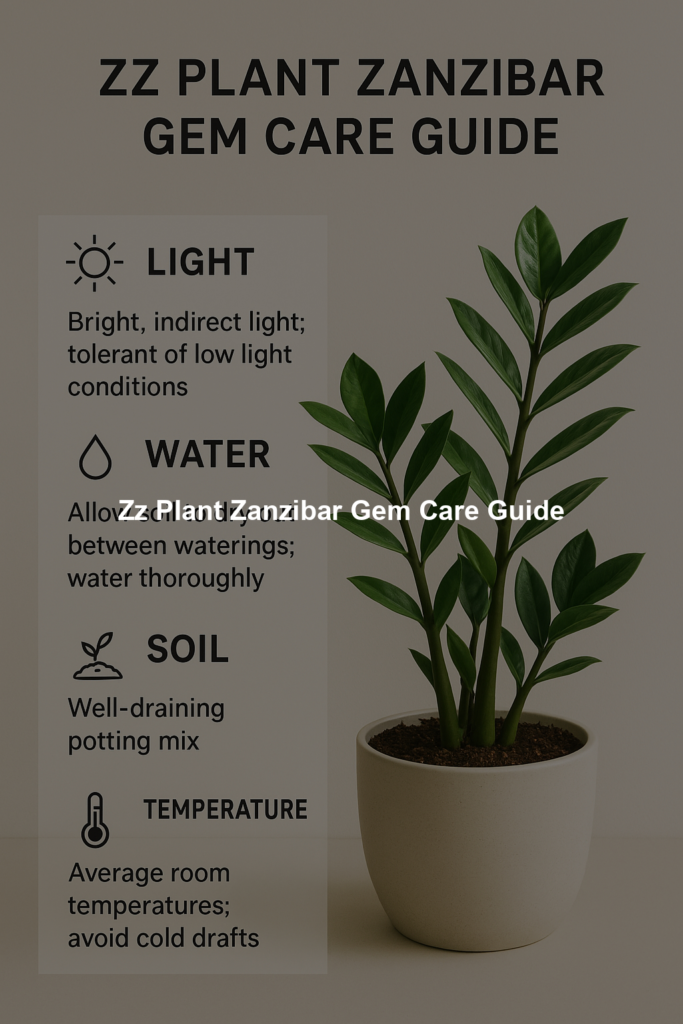
Prioritize species with innate resistance to brooming, such as dracaena, ZZ plant (Zamioculcas zamiifolia), and certain dwarf conifers. Their compact form reduces the likelihood of dense shoot clusters forming.
Architectural Placement
Position larger specimens away from high‑traffic zones where accidental mechanical stress could trigger hormonal imbalances. Use tiered shelving to encourage vertical airflow, mitigating the micro‑climate conditions that favor fungal growth.
Maintenance Protocols
Develop a maintenance calendar that aligns with the plant’s phenological stages. Schedule fortnightly inspections during the active growth window, and incorporate a rotating schedule for pruning, cleaning, and re‑potting to disrupt pathogen life cycles.
Visual Concealment Techniques
When early brooming signs appear, employ strategic foliage placement to mask unsightly shoots while treatment is underway. Complement with complementary textures—such as bark veneers or rock accents—to preserve the design narrative.
Case Studies Illustrating Successful Management
Real‑world applications demonstrate the efficacy of integrated strategies across diverse settings.
Commercial Peach Orchard, California
A 25‑acre orchard implemented a combined approach: early‑season phosphonate sprays, vector‑monitoring traps, and the planting of resistant ‘Redhaven’ cultivars. Over three seasons, Witches Broom incidence fell from 22 % to 4 %, with a corresponding 15 % increase in marketable yield.
Urban Rooftop Garden, New York City
An office building’s rooftop garden faced recurrent brooming on ornamental conifers. By introducing Trichoderma soil inoculants, redesigning planter layouts for improved drainage, and training staff on bi‑weekly pruning, the garden achieved a 90 % reduction in brooming within one growing season.
Interior Design Studio, London
A boutique studio incorporated dwarf Japanese maples in a client’s reception area. After initial brooming appeared, the designer switched to a low‑risk cultivar, applied targeted fungicide treatments, and installed a humidity‑control system. The visual integrity was restored without disrupting the studio’s aesthetic concept.
FAQ
What are the first visual signs of Witches Broom in trees?
Initial symptoms include dense clusters of short, stunted shoots emerging from a single point on the branch or trunk. Leaves on these shoots may be smaller, lighter in color, and may exhibit a delayed senescence pattern. In many cases, the affected area appears as a compact “broom” that contrasts sharply with the surrounding normal growth.
How can I differentiate between a fungal‑induced and a phytoplasma‑induced Witches Broom?
Fungal‑induced brooms often present with visible mycelial growth on bark or leaf surfaces and may be accompanied by discoloration or resinous exudates. Phytoplasma infections, by contrast, lack external fungal structures and are frequently associated with systemic symptoms such as leaf yellowing, stunted overall vigor, and sometimes abnormal fruit development. Laboratory testing—culturing for fungi or PCR for phytoplasmas—provides definitive discrimination.
Are there organic methods to manage Witches Broom without synthetic chemicals?
Yes. Cultural sanitation, resistant cultivar selection, and biological controls constitute an effective organic regimen. Incorporating endophytic fungi like Trichoderma spp., applying copper‑based fungicides approved for organic use, and encouraging natural predators of vector insects form a comprehensive strategy that aligns with organic certification standards.
How frequently should I inspect my orchard or indoor garden for Witches Broom?
During the active growth phase—typically from early spring to late summer—conduct visual inspections at least every two weeks. In periods of low growth or dormancy, monthly checks are sufficient. Intensify scouting when vector populations spike, as disease transmission risk escalates sharply under those conditions.
Can pruning alone eradicate an established Witches Broom infection?
Pruning removes symptomatic tissue and can significantly reduce pathogen load, but it rarely eradicates the infection entirely, especially when the causal agent resides systemically within the vascular system. Pruning should be combined with additional measures such as targeted fungicide applications, vector control, or the introduction of biological antagonists to achieve long‑term suppression.
Does excessive nitrogen fertilization contribute to Witches Broom formation?
Excessive nitrogen, particularly in the form of fast‑release synthetic fertilizers, can stimulate abnormal shoot proliferation that mimics brooming. While it does not cause pathogen‑driven brooms, the resulting dense growth creates a conducive environment for fungal colonization and vector activity. Balanced nutrient programs based on soil analysis are essential to avoid this complication.
What quarantine regulations should I be aware of when transporting plants that may carry Witches Broom pathogens?
Many countries list Witches Broom‑associated fungi and phytoplasmas as regulated pests. Importers must provide phytosanitary certificates confirming that plants are free of symptomatic tissue and have undergone approved treatments such as heat therapy or systemic fungicide applications. Failure to comply can result in shipment rejection, fines, or mandatory destruction of the material.