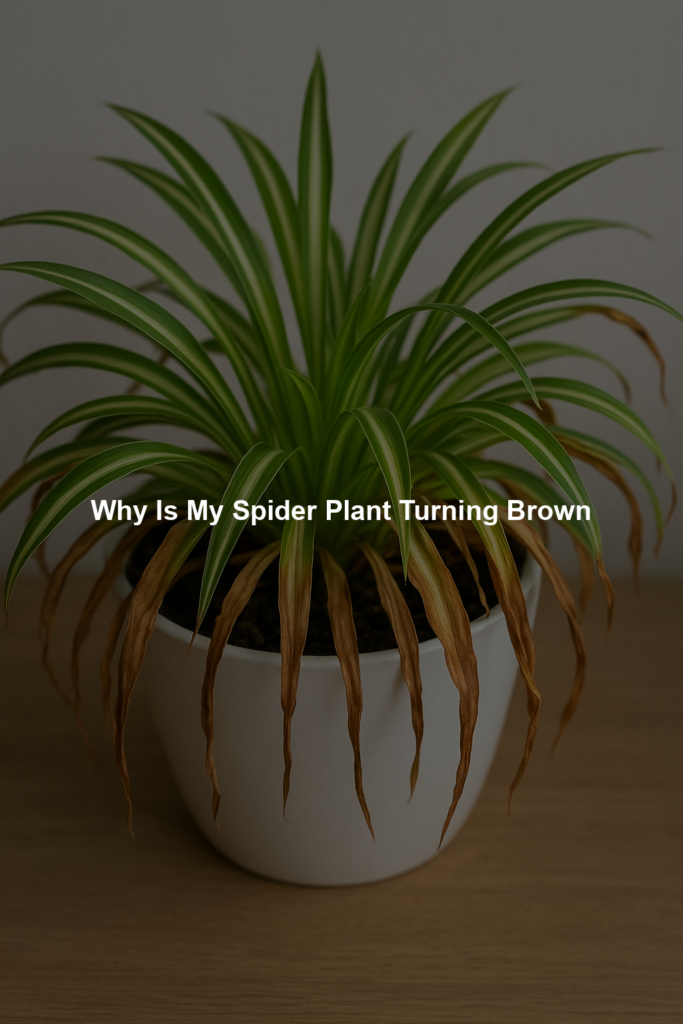
Why Is My Spider Plant Turning Brown is a question that signals underlying stressors affecting this popular foliage. Understanding the precise cause enables targeted intervention, preserving the plant’s characteristic arching leaves and air‑purifying benefits.
Key Takeaways
- Over‑ or under‑watering is the most frequent trigger of brown leaf tips.
- Inadequate light or temperature fluctuations accelerate leaf necrosis.
- Pests such as spider mites and mealybugs create localized browning that mimics disease.
- Nutrient imbalances and salt accumulation in the soil lead to chronic discoloration.
- Corrective cultural practices restore vigor within weeks when applied promptly.
Understanding the Importance of Why Is My Spider Plant Turning Brown
The spider plant (Chlorophytum comosum) thrives in moderate indoor environments, yet it readily displays distress through browning. This visual cue serves as an early warning system, allowing growers to adjust micro‑climatic variables before irreversible damage occurs. Ignoring the symptom can compromise not only aesthetics but also the plant’s capacity to filter indoor pollutants, affecting overall indoor air quality.
Expert Tips for Why Is My Spider Plant Turning Brown
A systematic diagnostic approach yields the most reliable results. Begin by inspecting the watering schedule: the soil should dry to a depth of 2–3 cm before the next thorough soak. Use a moisture meter or the finger test to avoid both saturation and drought. Next, assess light exposure; east‑facing windows provide the ideal bright, indirect illumination that discourages leaf scorch. Finally, examine the plant’s roots during repotting; healthy roots appear white and firm, while brown, mushy roots indicate rot that must be removed.
Environmental Factors
Indoor temperature fluctuations, especially drafts from air‑conditioning vents, can cause cellular dehydration manifesting as brown edges. Maintain a stable range of 65–75 °F (18–24 °C) and avoid placing the plant near heating radiators or cold windows. Relative humidity below 30 % accelerates desiccation; a simple tabletop humidifier or periodic misting mitigates this risk.
Watering Regimen
Spider plants prefer consistent moisture without standing water. Employ the “bottom‑water” method: position the pot in a tray of water for 10–15 minutes, allowing capillary action to hydrate the root zone. Discard excess water to prevent root suffocation. In winter, reduce frequency by 25 % as transpiration rates decline, but never allow the medium to become bone‑dry.
Light Exposure
Insufficient light prompts etiolation, leading to pale leaves that are more susceptible to browning at the tips. Conversely, direct afternoon sun burns chlorophyll, producing crisp brown patches. Position the plant near a north‑ or east‑facing window with filtered light, or supplement with a 5000 K LED grow light for ten hours daily during darker months.
Nutrient Management
A balanced, water‑soluble fertilizer applied at half the recommended strength every six weeks supplies essential macronutrients. Over‑fertilization leaves mineral salts on the soil surface, which wick upward and scorch leaf margins. Periodically flush the pot with leaching water—allowing excess to drain freely—to dissolve accumulated salts.
Pest and Disease Management
Spider mites (Tetranychus urticae) inject phytotoxic saliva, resulting in stippled brown spots that coalesce under heavy infestations. Inspect the undersides of foliage for fine webbing and minute moving dots. Treat early with insecticidal soap, ensuring thorough coverage of leaf surfaces. Mealybugs excrete honeydew, fostering sooty mold that darkens leaf tissue; isolate affected shoots and apply neem oil or a dedicated horticultural oil.
Propagation and Repotting Considerations
When brown tips appear on newly formed plantlets, the cause often lies in the mother plant’s stress environment. Separate healthy offsets into 4‑inch pots with a well‑draining peat‑perlite mix, and withhold fertilization for the first four weeks. Repot mature plants every 12–18 months to refresh the growing medium and prevent compaction, which restricts aeration and encourages root rot.
Soil Composition and Drainage
A superior substrate for spider plants consists of one part peat moss, one part perlite, and one part coarse pine bark. This blend offers moisture retention while promoting rapid drainage, reducing the likelihood of anaerobic root conditions that manifest as brown leaf bases. Verify that the pot features drainage holes; a saucer should never retain standing water.
Seasonal Adjustments
During the cooler, shorter days of autumn, reduce light exposure slightly and monitor humidity levels, as indoor heating can desiccate foliage. In summer, increase watering frequency modestly and consider moving the plant a few feet away from intense solar glare to prevent leaf scorch.
Monitoring and Record Keeping
Implement a simple logbook noting watering dates, fertilizer applications, and observed leaf changes. Correlating these entries with environmental data—temperature, humidity, and light intensity—enables precise identification of causative patterns behind browning episodes.
FAQ
What does brown tip discoloration indicate in a spider plant?
Brown tips typically signal inconsistent moisture levels or low humidity. When soil remains soggy, roots suffocate, leading to nutrient uptake issues that manifest as tip necrosis. Conversely, prolonged dryness pulls water from leaf margins, producing similar browning. Adjusting watering frequency and enhancing ambient humidity usually resolves the issue.
Can direct sunlight cause my spider plant to turn brown?
Yes. While spider plants tolerate bright indirect light, exposure to direct midday sun can scorch chlorophyll, producing crisp brown patches along leaf margins. Relocating the plant to a spot with filtered light or using sheer curtains mitigates this risk, restoring healthy green coloration over several growth cycles.
How do I differentiate between pest damage and nutrient deficiency?
Pest damage, such as that caused by spider mites, appears as fine stippling or webbing with localized brown spots, often on the lower leaf surface. Nutrient deficiency, particularly potassium or magnesium shortage, presents as uniform browning or yellowing along leaf edges. Microscopic inspection for pests and soil testing for nutrient levels clarify the underlying cause.
Why does my spider plant develop brown spots after repotting?
Repotting can stress the root system, especially if the new medium retains excess moisture. Over‑watering post‑repotting leads to root rot, which manifests as brown spots on foliage. Ensure the new soil is well‑draining, allow the pot to dry slightly before the next watering, and avoid fertilizing for two weeks to let the plant recover.
Is it safe to prune brown leaves from a spider plant?
Pruning brown or necrotic leaf sections is advisable, as it prevents the spread of potential pathogens and improves aesthetic appeal. Use sterilized scissors, cutting just above the healthy tissue. Clean the tool between cuts to avoid cross‑contamination, especially if pests are present.
How often should I fertilize my spider plant to prevent browning?
Apply a balanced, water‑soluble fertilizer at half the manufacturer’s recommended concentration every six weeks during active growth (spring to early fall). Reduce or cease feeding in winter when metabolic activity declines, thereby preventing salt buildup that can cause brown leaf margins.
Can low humidity in winter cause my spider plant to turn brown, and how can I correct it?
Winter heating dries indoor air, leading to low relative humidity that pulls moisture from leaf tips, resulting in brown discoloration. Elevate humidity by placing the plant on a pebble tray filled with water, using a room humidifier, or clustering it with other foliage to create a micro‑climate. Regular misting can also help, provided leaves are allowed to dry to reduce fungal risk.