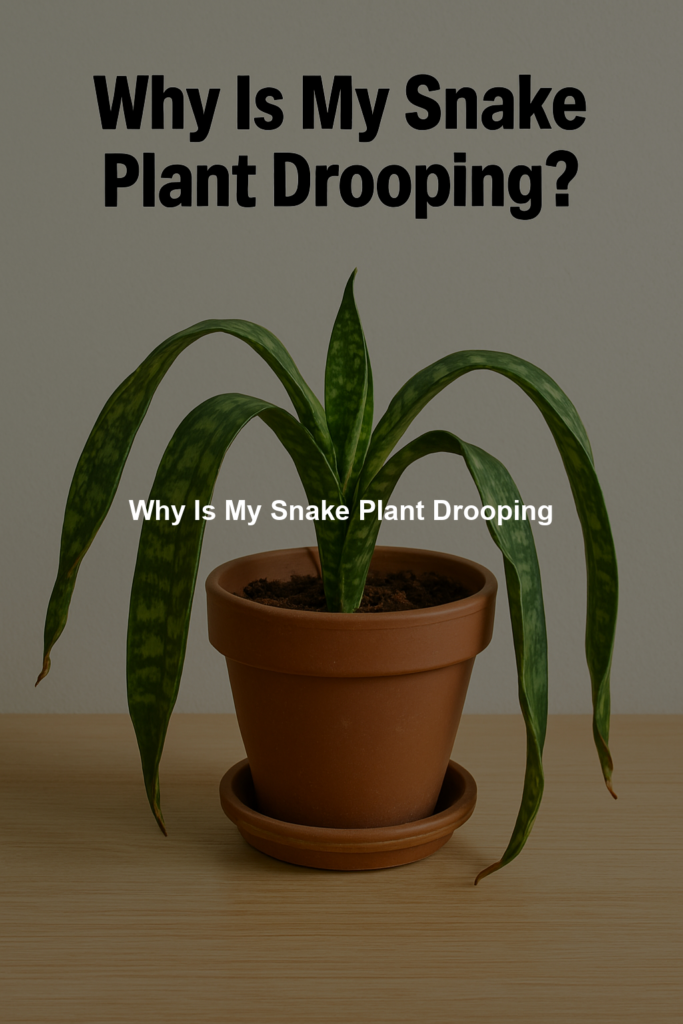
Why Is My Snake Plant Drooping can be a source of frustration for interior gardeners, especially when the iconic upright leaves begin to slump in a room that once showcased architectural vigor. Understanding the physiological signals behind this condition is essential for restoring the plant’s structural integrity and ensuring long‑term vitality within indoor landscapes.
Key Takeaways
- Consistent over‑watering is the leading cause of drooping leaves.
- Insufficient light or excessive heat can weaken structural support.
- Proper soil drainage and appropriate pot size prevent root‑rot stress.
- Seasonal adjustments in watering and lighting are crucial for resilience.
- Early detection of pest activity allows prompt, non‑invasive intervention.
Understanding the Importance of Why Is My Snake Plant Drooping
The snake plant (Sansevieria trifasciata) is prized for its tolerance of low light and minimal care, yet it is not immune to environmental mismanagement. When drooping occurs, the plant signals a disruption in water balance, root health, or structural support, each of which can cascade into broader aesthetic and functional problems in interior design schemes. Recognizing that a drooping leaf is a diagnostic cue rather than merely an aesthetic flaw empowers the gardener to address underlying issues before irreversible damage ensues.
Expert Tips for Why Is My Snake Plant Drooping
A systematic approach begins with evaluating watering frequency. Allow the top 2–3 cm of soil to dry completely before each irrigation; use a moisture meter to avoid subjective judgments. When watering, apply water evenly until it exits the drainage holes, then discard any excess to maintain a dry root zone. This routine mimics the plant’s native arid environment and reduces the risk of turgor loss that manifests as drooping.
Assess Light Conditions
Snake plants thrive under bright, indirect light but can survive in low‑light zones provided the intensity does not drop below 50 µmol m⁻² s⁻¹ for extended periods. In spaces with limited natural illumination, supplement with full‑spectrum LED fixtures positioned 30–45 cm above the foliage. Avoid direct afternoon sun, which can scorch leaf margins and exacerbate drooping by damaging photosynthetic tissues.
Optimize Soil and Potting Media
A well‑draining substrate—preferably a blend of 50 % coarse sand, 30 % peat‑moss, and 20 % perlite—prevents water stagnation. Select a ceramic or terracotta pot with drainage holes at the base; vented pots improve aeration around the root ball. Repot every 2–3 years to refresh the medium and alleviate compaction, which can impede oxygen diffusion and promote root decay.
Regulate Temperature and Humidity
Ideal temperature ranges from 18 °C to 27 °C (65 °F–80 °F). Exposure to drafts or sudden temperature drops below 10 °C (50 °F) can cause cellular fluid shifts, leading to leaf sag. Maintain relative humidity between 30 % and 50 %; excessive humidity fosters fungal growth that attacks roots, indirectly causing drooping.
Monitor for Pests and Diseases
Scale insects, mealybugs, and spider mites are common adversaries. Inspect leaf sheaths regularly, focusing on the leaf bases where pests often congregate. Apply a horticultural oil or insecticidal soap at the first sign of infestation, ensuring thorough coverage of both upper and lower leaf surfaces. Early intervention prevents vascular blockage that compromises leaf rigidity.
Watering Practices
Proper irrigation is the cornerstone of preventing droop. In winter months, reduce watering to monthly intervals, as the plant’s metabolic rate declines. Use room‑temperature water to avoid shocking the roots, and consider rain‑collected water to minimize chlorine exposure, which can inhibit root respiration.
Frequency Guidelines
- Spring–Summer: water when the topsoil feels dry, typically every 2–3 weeks.
- Autumn: transition to a 4‑week schedule as growth slows.
- Winter: limit to once every 6–8 weeks, monitoring for signs of dehydration.
Light Exposure
Position the snake plant near an east‑facing window to receive gentle morning light, or use artificial grow lights set on a 12‑hour photoperiod. Avoid placing the plant directly beneath a skylight where temperature fluctuations are common.
Adjusting Light Intensity
If leaves develop a washed‑out appearance, increase light intensity gradually by moving the plant 15 cm closer to the window each week. Conversely, if leaves develop brown tips, reduce exposure by adding a sheer curtain to filter harsh rays.
Soil Composition and Pot Selection
The substrate’s particle size distribution directly influences drainage. Incorporate small fragments of expanded clay (LECA) to create micro‑channels that enhance water movement away from the root zone.
Repotting Technique
Gently remove the plant, tease apart compacted roots, and trim any brown, mushy segments with sterilized scissors. Place the root ball on a layer of fresh medium, then backfill, pressing lightly to eliminate air pockets. Water lightly to settle the soil, then allow excess to drain completely.
Temperature and Humidity Management
Integrate a digital hygrometer to track ambient conditions. If humidity exceeds 60 %, use a dehumidifier or increase airflow with a ceiling fan set on low. For cold drafts, relocate the plant away from exterior walls or install a thermal barrier.
Seasonal Adjustments
During summer heat waves, relocate the plant to a cooler interior zone or provide brief, indirect misting to lower leaf temperature without saturating the soil. In winter, avoid placing the plant near heating vents, which can create a dry, hot micro‑climate that stresses foliage.
Pest and Disease Management
Implement a preventive regime that includes quarterly inspections and a light application of neem oil, even when pests are not evident. This organic approach deters infestations while preserving beneficial microbial activity within the soil.
Diagnosing Root Rot
If drooping is accompanied by a sour odor emanating from the pot, gently lift the plant to examine root coloration. Healthy roots appear white to light tan; brown, mushy roots indicate rot. Immediate removal of compromised roots and repotting in fresh, sterile medium are essential steps to rescue the plant.
Seasonal Care Calendar
- January–February: Minimal watering, maintain temperatures above 13 °C (55 °F).
- March–May: Gradual increase in watering and light exposure as days lengthen.
- June–August: Peak watering frequency; monitor for tip burn from intense light.
- September–October: Reduce watering, begin preparation for winter dormancy.
- November–December: Maintain low moisture, protect from frost drafts.
FAQ
Why does my snake plant droop after repotting?
Repotting disturbs the root system, temporarily reducing the plant’s ability to absorb water. The shock may cause leaves to lose turgor, resulting in droop. Ensure the new soil is well‑draining, avoid over‑watering, and give the plant a week in a shaded, stable environment to recover.
Is over‑watering the most common cause of drooping snake plants?
Yes. Snake plants store water in their succulent leaves, so excess moisture leads to root‑rot and impaired water uptake. Signs such as a soft, mushy base and a musty odor confirm over‑watering. Adjust the watering schedule to allow the substrate to dry between applications.
Can low light cause my snake plant to droop?
Low light reduces photosynthetic output, weakening cell turgor and causing the leaves to sag. While snake plants tolerate low light, prolonged darkness can result in elongated, limp growth. Increase light intensity gradually to restore structural firmness.
How does temperature affect leaf firmness in snake plants?
Extreme temperatures, especially sudden drops below 10 °C, cause cellular fluid to migrate, leading to leaf droop. Consistent indoor temperatures between 18 °C and 27 °C preserve leaf rigidity. Avoid placing the plant near air‑condition vents or drafty windows.
What are the signs of pest‑induced drooping in snake plants?
Pests such as mealybugs and spider mites feed on sap, disrupting nutrient flow. Look for cotton‑like masses at leaf bases, fine webbing, or stippled leaf surfaces. Early detection and treatment with horticultural oil restore normal sap pressure and eliminate droop.
Does soil type influence the drooping of snake plants?
Absolutely. Dense, water‑retentive soils impede drainage, leading to root‑rot and leaf sag. A mix containing sand, perlite, and organic matter promotes aeration and prevents water accumulation, thereby reducing the risk of drooping.
How can I revive a snake plant that has been drooping for weeks?
Begin by assessing moisture levels; let the soil dry thoroughly if it feels damp. Trim any necrotic leaves, repot in a well‑draining medium, and position the plant under bright, indirect light. Maintain a consistent watering schedule and monitor for pests. Within several weeks, new growth will indicate recovery.