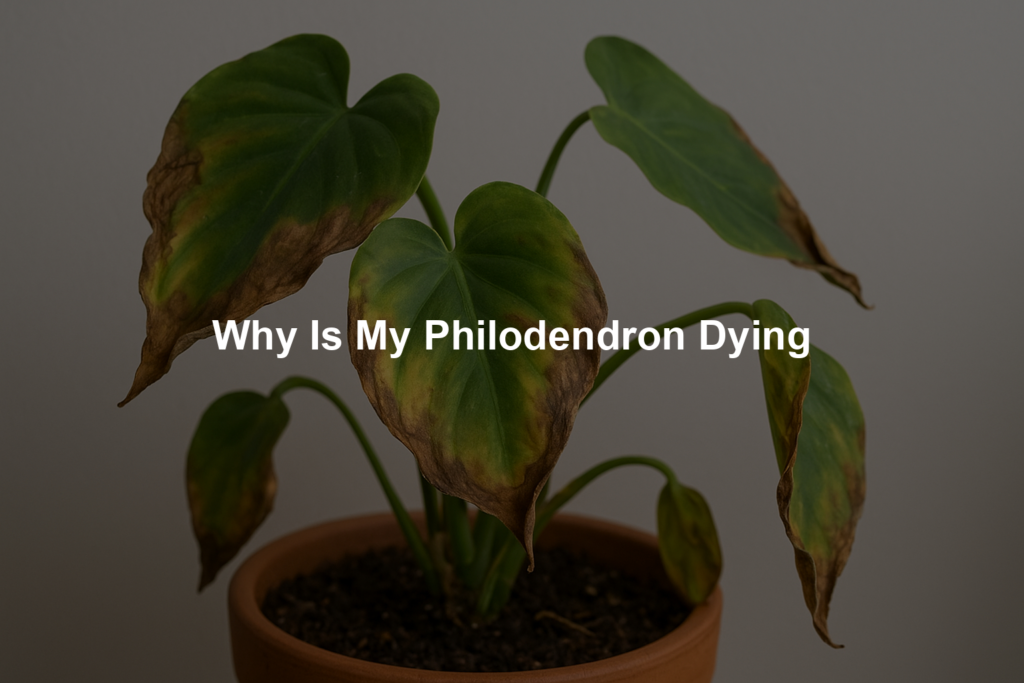
Why Is My Philodendron Dying is a question many indoor‑plant enthusiasts face when their glossy‑leafed vine begins to wilt, turn yellow, or develop unsightly lesions. The answer often lies in a combination of environmental missteps, nutrient imbalances, or hidden pests. This article dissects each factor with the rigor expected by professional horticulturists, offering a systematic pathway to restore vigor and prevent future decline.
Key Takeaways
- Over‑ and under‑watering are the most frequent culprits of philodendron stress.
- Light intensity, temperature fluctuations, and low humidity accelerate leaf deterioration.
- Soil compaction, nutrient scarcity, and root rot require prompt repotting with well‑draining media.
- Integrated pest management (IPM) detects and eliminates mites, scale, and fungal pathogens before irreversible damage occurs.
Understanding the Importance of Why Is My Philodendron Dying
A philodendron’s health reflects the broader microclimate of the interior space it occupies. Recognizing why the plant is failing provides insight into indoor air quality, lighting design, and watering routines—key variables in any interior garden plan. By diagnosing the underlying issues, designers can adjust environmental controls, thereby enhancing both plant performance and aesthetic value.
Expert Tips for Why Is My Philodendron Dying
Professional horticulture emphasizes consistent observation paired with data‑driven adjustments. Implement a monitoring schedule: check soil moisture daily, assess leaf coloration weekly, and record temperature and humidity trends. Use a calibrated hygrometer and a soil moisture meter to eliminate guesswork, and adjust irrigation volumes based on the substrate’s drying rate rather than a fixed calendar.
Common Environmental Stressors
Light Exposure
Philodendrons thrive in bright, indirect light. Direct sunlight can scorch leaves, while insufficient illumination causes etiolation and pale foliage. Position the plant near north‑ or east‑facing windows, or employ sheer curtains to diffuse intense rays.
Water Management
Overwatering leads to hypoxic root conditions, while underwatering provokes desiccation. The ideal approach is to water when the top 2–3 cm of soil feels dry to the touch. Employ a saucer‑free base to avoid stagnant water accumulation.
Temperature Fluctuations
Temperatures below 12 °C (55 °F) or above 29 °C (85 °F) stress tropical foliage. Avoid placing the plant near drafty doors, heating vents, or air‑conditioner exhausts. Aim for a stable daytime range of 18–24 °C (65–75 °F).
Humidity Levels
Philodendrons originate from humid rainforest understories. Low indoor humidity (<40 %) accelerates leaf edge browning. Increase ambient moisture with pebble trays, misting, or a room‑level humidifier.
Nutrient Deficiencies and Soil Health
Nitrogen Shortage
Yellowing of older leaves often signals nitrogen deficiency. Apply a balanced, water‑soluble fertilizer formulated for foliage plants at half the recommended strength every six weeks during the growing season.
Phosphorus and Potassium Imbalance
Stunted growth and weak stems may result from insufficient phosphorus or potassium. Incorporate a slow‑release granular fertilizer containing all three primary macronutrients, or amend the potting mix with well‑rotted compost.
Micronutrient Considerations
Iron chlorosis appears as interveinal yellowing on young leaves. Chelated iron applications correct the issue swiftly, especially in alkaline soils where iron availability is limited.
Soil Structure
A compacted medium restricts aeration and water movement. Use a mixture of peat, perlite, and orchid bark in a 2:1:1 ratio to ensure optimal drainage and root respiration.
Pest and Disease Management
Common Culprits
Spider mites, mealybugs, and scale insects sap chlorophyll and excrete honeydew, fostering sooty mold. Inspect the plant weekly, focusing on leaf axils and stem nodes.
Integrated Pest Management (IPM)
Begin with cultural controls: reduce excess moisture, increase airflow, and prune infested sections. Apply horticultural neem oil or insecticidal soap, following label directions, and repeat every seven days until pests are eradicated.
Fungal Pathogens
Root rot, caused by Phytophthora or Pythium species, presents as soft, brown roots and wilting despite adequate water. Immediate repotting into sterile, well‑draining media, coupled with a fungicidal drench, halts progression.
Root Health and Repotting Strategies
Diagnosing Root Issues
Gently remove the plant from its container. Healthy roots appear white and fibrous; brown, mushy roots indicate decay. Trim affected portions with sterilized scissors, leaving a margin of healthy tissue.
Choosing the Right Container
Select a pot that is one size larger than the current one, with drainage holes to prevent waterlogging. A fabric pot enhances aeration and reduces the risk of root rot.
Repotting Procedure
Fill the bottom with a coarse layer of perlite, add a pre‑moistened soil blend, position the plant at the same depth as before, and backfill gently. Water lightly to settle the medium, then resume normal watering after 48 hours.
Why Is My Philodendron Dying
A systematic diagnostic checklist helps isolate the precise cause of decline. Begin with visual assessment: note leaf color, texture, and pattern of damage. Next, evaluate watering practices using a moisture meter. Then, measure ambient conditions—light, temperature, and humidity. Finally, inspect roots and soil for signs of rot or pests. By progressing through this sequence, the horticulturist can pinpoint the primary stressor with confidence.
Why Is My Philodendron Dying
Once the underlying issue is identified, implement a targeted recovery plan. Adjust irrigation to match the soil’s drying cycle, relocate the plant to an optimal light zone, and amend the substrate with appropriate nutrients. For pest infestations, apply IPM measures promptly. Monitor progress weekly, documenting changes in foliage vigor. Within a month of corrective action, most healthy philodendrons will exhibit new leaf growth and restored coloration, confirming successful remediation.
FAQ
What are the first signs that a philodendron is suffering?
Initial symptoms include yellowing of lower leaves, drooping stems, and a glossy sheen turning matte. Leaf edges may curl inward, indicating moisture stress or low humidity. Early detection allows swift corrective measures before systemic decline.
How often should I water a philodendron in a low‑light environment?
In low‑light conditions, the substrate dries more slowly. Check the top 2–3 cm of soil; if it feels dry, water thoroughly until excess drains. Typically, this results in a watering interval of 10–14 days, but seasonal variations may require adjustment.
Can low indoor humidity cause leaf burn on philodendrons?
Yes, inadequate humidity leads to desiccation of leaf margins, manifesting as brown, crispy tips. Raising relative humidity to 50–60 % through misting, pebble trays, or humidifiers mitigates this symptom.
Is it safe to use chemical fertilizers on philodendrons?
Chemical fertilizers can be used if diluted to half the recommended strength and applied during the active growing season. Over‑fertilization risks salt buildup, causing leaf tip burn and root stress; therefore, organic or slow‑release options are preferred for long‑term health.
How do I differentiate between overwatering and root rot?
Overwatering symptoms include uniformly soggy soil and limp leaves, whereas root rot presents with foul‑smelling, mushy roots and localized leaf yellowing. A soil moisture meter helps confirm excess water, while a root inspection reveals decay. Prompt repotting in fresh, aerated media resolves rot.