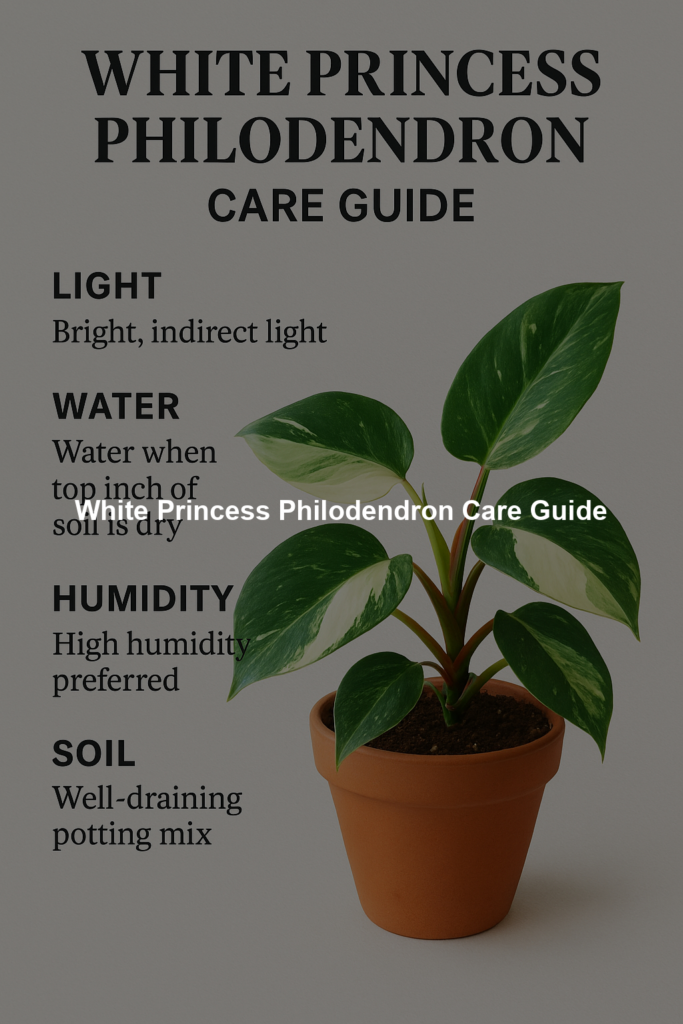
The White Princess Philodendron Care Guide is crafted for interior designers, horticulturists, and discerning plant enthusiasts who demand precise, research‑backed standards for indoor foliage. This cultivar’s striking variegation and upright habit reward meticulous attention to environmental variables, watering regimes, and cultural practices.
Key Takeaways
- Bright, indirect light preserves variegation and promotes robust foliage.
- Consistent moisture without saturation prevents root rot and leaf edge burn.
- Well‑draining, aerated soil supports healthy root development.
- Temperature between 65–80 °F (18–27 °C) and high humidity mimic its tropical origin.
- Routine inspection for pests and strategic pruning extend longevity.
Understanding the Importance of White Princess Philodendron Care Guide
A comprehensive care strategy safeguards the integrity of the plant’s unique white‑creamy margins, which are prone to fading under suboptimal conditions. Light intensity directly influences chlorophyll production; insufficient illumination prompts the plant to allocate resources toward leaf expansion rather than pigment retention, resulting in a loss of contrast. Moreover, the cultivar’s genetic makeup renders it more sensitive to overwatering than many tropical philodendrons, making precise irrigation protocols essential.
Temperature stability reduces stress‑induced leaf drop, while humidity levels above 60 % sustain turgor pressure crucial for maintaining the delicate variegated zones. Understanding these parameters not only preserves aesthetic appeal but also minimizes the need for corrective interventions, thereby enhancing the plant’s role as a long‑term interior design element.
Expert Tips for White Princess Philodendron Care Guide
Begin with a location offering bright, filtered light—east‑facing windows or a few feet from a south‑facing pane work well. Employ sheer curtains to diffuse direct sunlight, which can scorch the lighter patches. Water when the top two inches of soil feel dry, using lukewarm water to avoid temperature shock. Adopt the “bottom‑water” technique: place the pot in a shallow tray of water for five minutes, allowing capillary action to hydrate the root ball evenly.
Fertilize during the active growth period (spring through early fall) with a balanced, water‑soluble fertilizer diluted to half strength. Avoid excessive nitrogen, which can accelerate growth at the expense of variegation clarity. Repot every 18–24 months in a medium composed of peat moss, perlite, and coarse orchid bark to ensure aeration and prevent compaction.
Light Requirements
White Princess thrives under 1,000–2,000 foot‑candles of indirect light. Position the plant where it receives morning sun filtered through foliage or a sheer fabric. Rotate the pot quarterly to promote uniform growth and prevent one side from becoming overly shaded. In low‑light offices, supplement with full‑spectrum LED panels set to 12‑hour cycles.
Watering Schedule
Maintain a moderate watering rhythm: weekly in warm months, bi‑weekly when temperatures dip below 65 °F (18 °C). Use a moisture meter or the finger‑test method to verify dryness at a depth of 2‑3 inches before irrigating. Ensure the saucer drains completely within two minutes to avoid standing water.
Soil Composition
A bespoke potting mix is critical. Combine 40 % peat moss for moisture retention, 30 % perlite for drainage, and 30 % orchid bark for aeration. The resulting medium holds sufficient water while allowing excess to escape, mirroring the plant’s natural epiphytic habit.
Temperature & Humidity
Aim for daytime temperatures of 70–78 °F (21–26 °C) and nighttime lows no lower than 65 °F (18 °C). Elevate humidity with a pebble tray, ultrasonic humidifier, or by grouping plants together. Misting alone is insufficient; a consistent ambient moisture level prevents leaf bronzing and promotes glossy surfaces.
Fertilization
Apply a balanced 20‑20‑20 fertilizer diluted to ¼–½ strength every four weeks during active growth. Transition to a low‑nitrogen (10‑10‑10) formulation in late autumn to prepare the plant for dormancy. Avoid fertilizing in winter months, as reduced metabolic activity renders roots less receptive.
Pruning & Propagation
Prune leggy stems to maintain a compact silhouette and encourage lateral branching. Use clean, sharp pruning shears to make cuts just above a node. Propagate via stem cuttings placed in water or a moist sphagnum medium until roots develop, typically within three to four weeks. Transfer established cuttings to the standard soil mix, maintaining high humidity for acclimation.
Common Pests & Diseases
White Princess is susceptible to spider mites, mealybugs, and scale insects. Conduct weekly inspections, focusing on leaf undersides and nodes. Treat infestations with insecticidal soap or neem oil, applying at 10‑day intervals until pests recede. Root rot may arise from overwatering; promptly repot in fresh, well‑draining medium if symptoms appear.
Indoor Placement & Styling
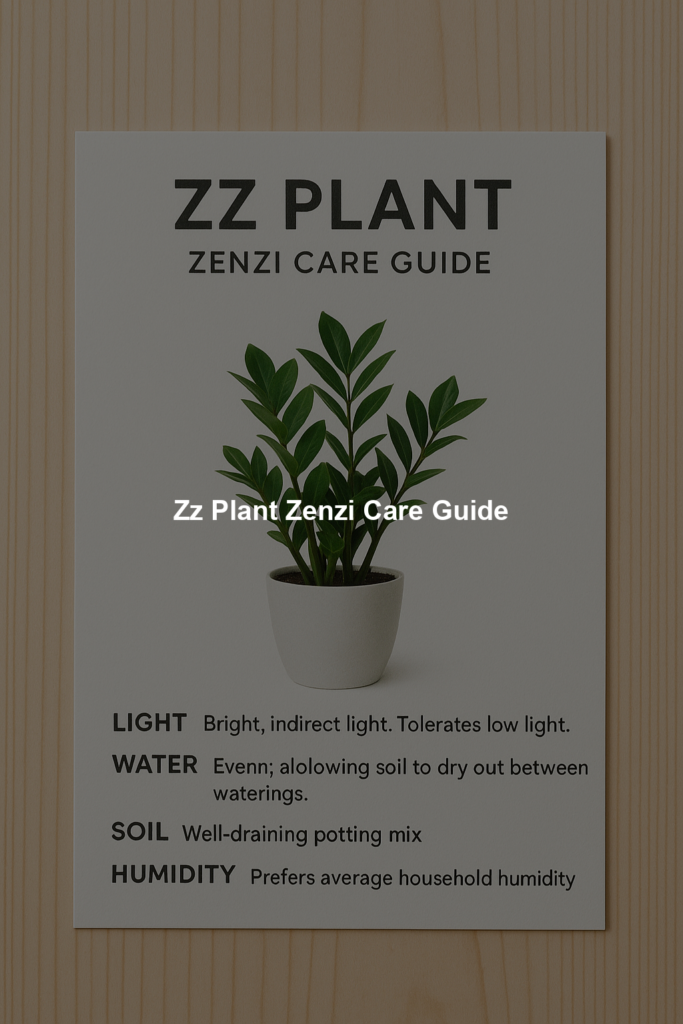
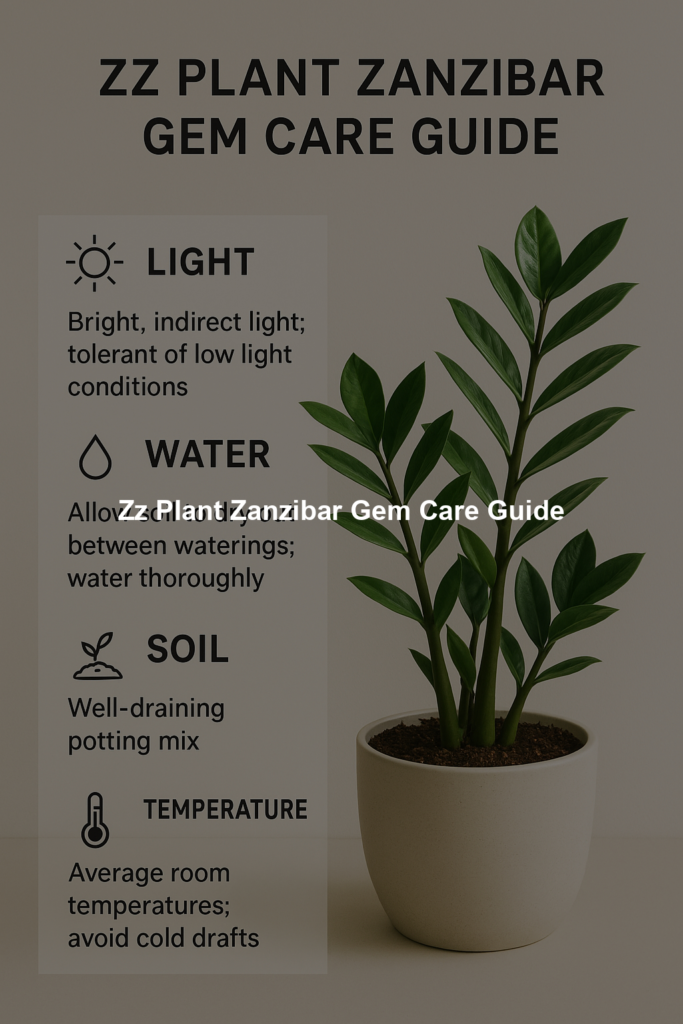
In contemporary interiors, the plant’s upright, sculptural habit makes it ideal for narrow sideboards, console tables, or as a focal point on a minimalist desk. Pair with matte metal planters to accentuate the variegated foliage. When used in groupings, combine with low‑light tolerant foliage such as ZZ plants to balance light requirements.
Seasonal Adjustments
During winter, reduce watering frequency and eliminate supplemental lighting unless natural daylight falls below 8 hours. Increase humidity by clustering pots or using a room humidifier. In summer, monitor for leaf scorch under intensified sunlight and relocate the plant a few feet away from windows if necessary.
FAQ
How often should I water my White Princess Philodendron?
Water when the upper two inches of soil are dry to the touch. In warm periods this typically translates to once a week; during cooler months extend the interval to ten‑14 days. Always ensure excess water drains from the saucer to prevent root rot.
What type of light best maintains the variegation?
Bright, indirect light—such as morning sun filtered through a sheer curtain—is optimal. Direct midday sun can bleach the white portions, while low light causes the green pigment to dominate, diminishing the variegated effect.
Can I use tap water for irrigation?
Yes, provided the tap water is at room temperature and has a neutral pH. If your water is heavily chlorinated or hard, let it sit overnight to dissipate chlorine or use filtered water to avoid mineral buildup that may affect leaf coloration.
Is repotting necessary, and how often should it be done?
Repotting every 18–24 months refreshes the growing medium, prevents compaction, and encourages healthy root expansion. Choose a pot one size larger than the current container and use a well‑aerated mix of peat, perlite, and bark.
How do I propagate a White Princess Philodendron successfully?
Take a stem cutting with at least two nodes, remove lower leaves, and place it in water or a moist sphagnum medium. Maintain high humidity and bright, indirect light. Roots typically appear within three weeks, after which the cutting can be transferred to a potting mix.