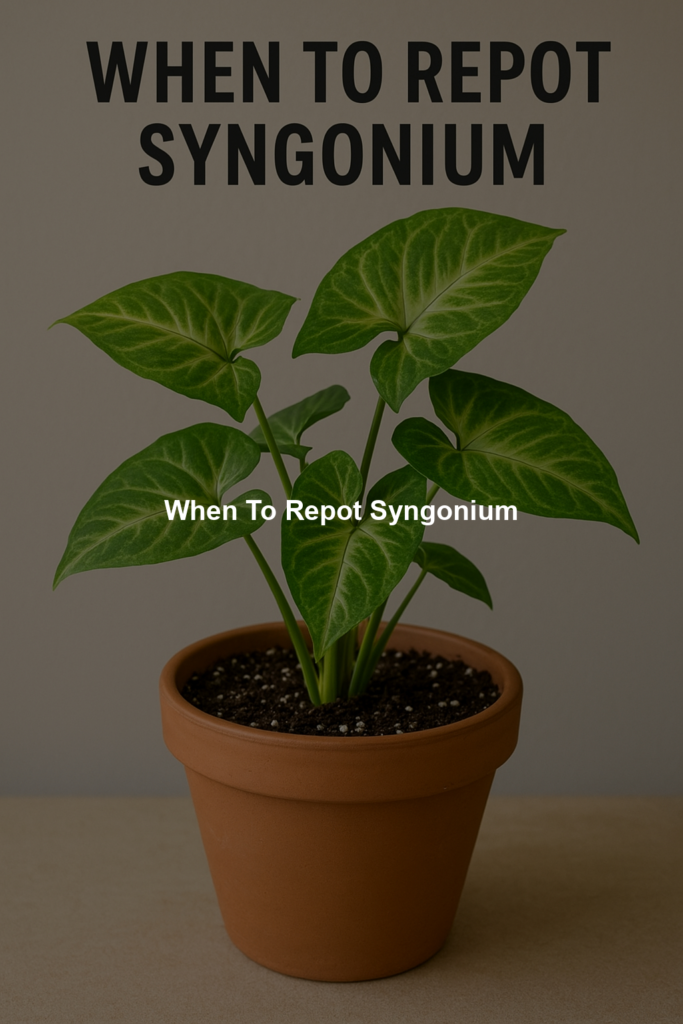
When caring for a Syngonium, the decision to transplant is as critical as lighting and watering. Understanding When To Repot Syngonium ensures the plant remains vigorous, avoids root‑bound stress, and continues its characteristic glossy foliage display.
Key Takeaways
- Repotting is best performed every 2‑3 years during active growth.
- Visible signs such as slowed vertical growth, compact roots, or soil crusting indicate a need to act.
- Choose a container 2‑3 cm larger with well‑draining, peat‑based mix enriched with perlite.
- Early spring, just before new shoots emerge, offers the most favorable conditions.
- After repotting, maintain consistent moisture and avoid fertiliser for four weeks.
Understanding the Importance of When To Repot Synganum
Syngonium, commonly known as arrowhead plant, develops a dense, fibrous root system that can quickly outgrow its pot. When the roots encounter physical constraints, the plant diverts energy from foliage production to stress mitigation. Recognising the precise moment to repot eliminates this trade‑off.
Root confinement also hampers aeration, leading to anaerobic zones that foster fungal growth. A timely transplant refreshes the soil environment, restoring oxygen availability and microbial balance essential for nutrient uptake. Consequently, the plant exhibits accelerated stem elongation and a fuller leaf morphology.
Moreover, repotting at the correct interval encourages the development of new fine roots, which enhances the plant’s ability to absorb water and micronutrients. This renewal is especially vital for indoor specimens that rely solely on the potting medium for mineral supply.
Expert Tips for When To Repot Syngonium
Begin by inspecting the plant during the early growth flush, typically in March or April. Gently ease the shrub from its container; a healthy root ball will separate easily, whereas a tightly bound mass signals the need for a larger vessel. Trim any dead or mushy roots with sterilised scissors to prevent rot post‑transplant.
Select a pot that offers drainage holes at the base and a modest increase in volume—excessively large containers retain moisture and predispose the roots to suffocation. Position a thin layer of expanded clay pebbles at the bottom to improve drainage while maintaining aesthetic appeal.
Prepare a substrate composed of 40 % peat moss, 30 % coconut coir, and 30 % coarse perlite. This blend replicates the plant’s native epiphytic habitat, providing both moisture retention and airflow. Moisten the mix lightly before filling the pot to a level that positions the root crown just below the rim.
Place the Syngonium in the center, spreading roots evenly, then backfill with the prepared medium. Firm the soil gently to eliminate air pockets, but avoid compressing the mix excessively. Water thoroughly until excess drains, establishing a consistent moisture level without waterlogging.
Signs That Your Syngonium Needs a New Pot
Stunted Vertical Growth
When new leaves appear significantly smaller than previous ones, the plant is likely allocating resources to root expansion rather than shoot development.
Root Crowding at Drainage Holes
Excessive root emergence from the bottom of the pot indicates that the root mass has outgrown its container and seeks an escape route.
Soil Depletion and Compaction
A crusted, dry surface that resists penetration suggests the medium has broken down, reducing aeration and water retention capacity.
Frequent Yellowing of Lower Foliage
Yellowing of older leaves may be a symptom of nutrient lock‑out caused by compacted, exhausted soil rather than a watering issue.
Seasonal Timing and Growth Cycles
Syngonium exhibits a pronounced growth surge during the warm months of late winter through early summer. Repotting during this window aligns the plant’s physiological readiness with the stress of transplantation. Conversely, performing the procedure in late autumn can delay recovery, as the plant enters a semi‑dormant phase with reduced metabolic activity.
In temperate interiors where temperature is regulated, aim for a period when ambient conditions consistently hover between 18 °C and 24 °C. This range supports optimal enzymatic function and encourages rapid establishment of new roots.
Selecting the Appropriate Container and Soil Mix
The container material influences moisture dynamics. Terracotta offers porous breathing, reducing the risk of over‑watering, whereas glazed ceramic retains humidity better, suiting drier indoor climates. Ensure the chosen pot includes at least one drainage aperture to prevent water accumulation.
A balanced soil mix should mimic the plant’s arboreal origins. Incorporate organic components for nutrient reserves while allocating a substantial fraction to inorganic aerators. The recommended 40‑30‑30 ratio delivers a pH near 6.0, conducive to nutrient solubility for Syngonium.
Step‑by‑Step Repotting Procedure
- Preparation: Gather a clean workspace, fresh potting mix, a suitable container, pruning shears, and a watering can.
- Removal: Gently tip the plant, supporting the stem with one hand while easing the pot away with the other.
- Root Assessment: Examine the root ball; trim any necrotic roots at a 45‑degree angle to promote healing.
- Pot Placement: Add a thin layer of coarse substrate at the pot’s base, then position the plant centrally.
- Back‑filling: Fill around the roots with the prepared mix, tapping lightly to settle the medium.
- Watering: Apply a steady stream of water until it exits the drainage holes, confirming full saturation.
- Stabilisation: Place the repotted Syngonium in a location with bright, indirect light, avoiding drafts for two weeks.
Post‑Repot Care and Monitoring
Following transplantation, maintain a watering schedule that keeps the top inch of soil evenly moist but never soggy. Reduce fertiliser application for the first four weeks; the fresh medium supplies sufficient nutrients for initial recovery. Observe the plant daily for signs of transplant shock, such as wilting or leaf curl, and adjust humidity by misting lightly if the indoor air is particularly dry.
Within three to four weeks, new root growth becomes evident through increased firmness of the potting medium and the emergence of fresh foliage. At this stage, resume a balanced, diluted fertiliser regimen every six weeks to sustain vigorous development.
FAQ
How often should I repot my Syngonium to maintain optimal health?
Repotting every two to three years aligns with the plant’s natural growth rhythm. Conduct a root inspection during the early spring growth flush; if roots are densely packed or emerging from drainage holes, a larger container is warranted.
Can I repot a Syngonium during the winter months?
Winter repotting is possible but not ideal. The plant’s metabolic rate declines, extending the recovery period. If a repot is unavoidable, provide supplemental warmth and maintain consistent moisture to mitigate stress.
What size pot is appropriate for the next repotting cycle?
Select a pot that is 2‑3 cm larger in diameter than the current one. This modest increase supplies adequate room for root expansion while preventing excessive soil volume that could retain water and cause root rot.
Should I prune the foliage when I repot my Syngonium?
Foliage pruning is optional. Removing damaged or excessively long stems can improve visual balance after repotting, but it is not required for root health. Focus primarily on cleaning the root system.
Is it necessary to sterilise the new pot before use?
Yes. A brief soak in a 10 % bleach solution, followed by thorough rinsing, eliminates potential pathogens. This step is especially important if the pot has previously housed other plants.
How can I tell if my Syngonium is suffering from transplant shock?
Symptoms include wilting despite adequate water, yellowing of lower leaves, and a temporary cessation of new growth. These signs typically subside within two weeks as the plant establishes fresh roots.
What fertilizer regimen should I follow after repotting?
Wait four weeks before applying any fertilizer. Then use a balanced, water‑soluble formula at half the recommended strength, applied every six weeks during the active growing season. This approach supplies nutrients without overwhelming the freshly established root system.