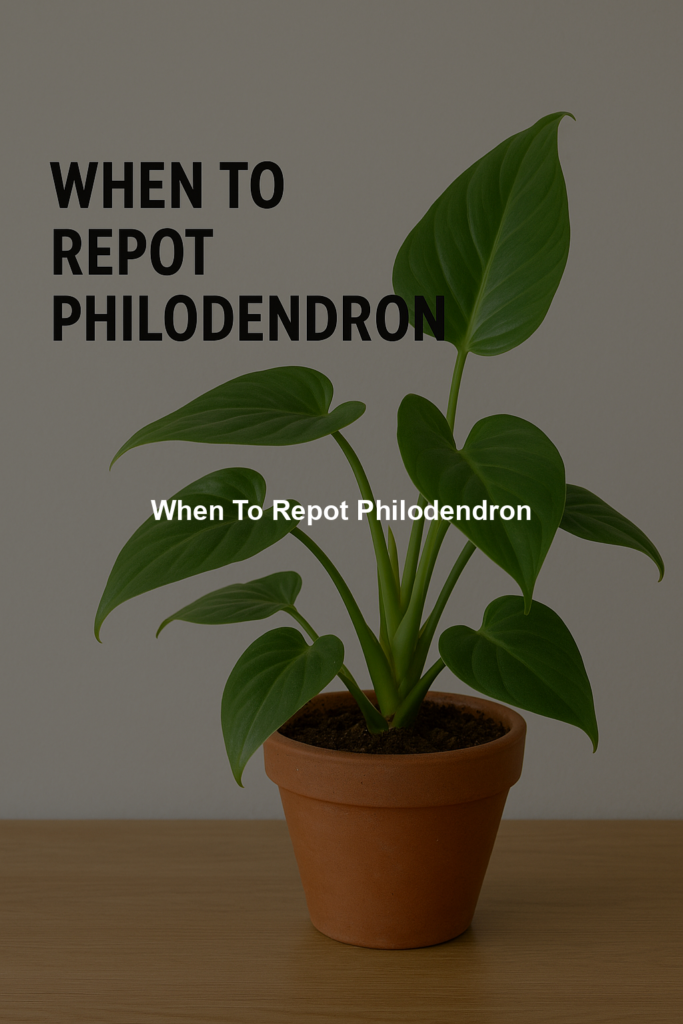
When To Repot Philodendron is a decision that balances plant health, seasonal rhythm, and interior design considerations. Understanding the precise moment to intervene prevents root‑bound stress and preserves the aesthetic flow of a living space.
Key Takeaways
- Roots should fill the pot but not circumferentially coil; this signals a repotting window.
- Early spring and early autumn provide optimal temperature and light conditions for transplant shock recovery.
- A well‑draining, aerated soil mix extends vine vigor and reduces susceptibility to fungal disease.
- Upgrading pot diameter by 2–4 inches accommodates mature growth while maintaining stability.
- Post‑repot watering should be measured; overly saturated media impedes root respiration.
Understanding the Importance of When To Repot Philodendron
Philodendrons thrive on a balance of root freedom and moisture retention. When roots outgrow their container, they compress the soil matrix, limiting oxygen diffusion and fostering pathogenic micro‑environments. The resulting stress manifests as stunted new shoots, chlorotic leaves, and an overall decline in vigor. Recognizing these physiological cues equips the horticulturist to intervene before irreversible damage occurs.
Root confinement also curtails the plant’s ability to explore substrate nutrients. A compacted root ball impedes the uptake of essential macronutrients such as nitrogen, phosphorus, and potassium, leading to slower growth rates. By scheduling repotting at the optimal moment, growers sustain the plant’s photosynthetic capacity and preserve the sculptural elegance of foliage cascades.
Expert Tips for When To Repot Philodendron
A methodical approach to repotting minimizes transplant shock. Begin by selecting a pot that offers a 2–4 inch increase in diameter while retaining a similar depth, ensuring the plant remains anchored yet has room for expansion. Use a high‑quality, peat‑based mix blended with perlite and orchid bark to create a porous yet moisture‑retentive medium. Pre‑soak the new substrate to eliminate air pockets, then gently loosen the existing root mass, trimming any necrotic or excessively long roots with sterilized shears.
After placement, backfill gradually, firming the mix to remove voids without compressing the soil structure. Water the plant lightly to settle the medium, then allow the pot to drain completely before resuming normal watering routines. Avoid fertilizing for four weeks; the plant requires this interval to re‑establish root function without the risk of nutrient burn.
When To Repot Philodendron
Identifying visual and tactile indicators is the first step. Mature foliage that appears smaller relative to the plant’s overall size often hints at a constrained root system. Gently lift the plant from its container; if the root ball emerges as a dense sphere with many roots circling the perimeter, the plant is ready for a larger home. Conversely, a loose root system with ample soil space suggests repotting can be deferred.
Seasonal patterns further dictate timing. Philodendrons enter a semi‑dormant phase during cooler months, reducing metabolic activity. Repotting during late winter or early spring, when new growth is imminent, leverages the plant’s natural surge in hormonal activity, promoting rapid root establishment. In regions with mild climates, early autumn serves as a secondary window, allowing the plant to acclimate before winter.
When To Repot Philodendron
Beyond root visibility, substrate degradation is a crucial factor. Over time, organic components decompose, diminishing aeration and causing the mixture to compact. A simple squeeze test—pressing the soil surface between thumb and forefinger—reveals its texture; if it feels hard and stone‑like, it has lost its structural integrity. Replacing the aging medium restores the soil’s capacity to buffer moisture fluctuations and deliver oxygen to the rhizosphere.
Additionally, pests such as mealybugs or spider mites exploit stressed root zones. Repotting into a clean, sterile pot provides an opportunity to inspect and treat the root system, disrupting pest life cycles. Implementing an integrated pest management routine at this juncture safeguards long‑term plant health and preserves the interior design intent.
Soil Mix Selection
A balanced substrate constitutes 40 % peat moss or coco coir, 30 % perlite, and 30 % coarse bark. This blend mimics the plant’s native epiphytic environment, ensuring rapid drainage while retaining sufficient moisture. Amendments such as a handful of worm castings inject slow‑release nutrients, supporting new growth without necessitating immediate fertilization.
Choosing the Correct Pot
Select containers with drainage holes and a breathable material such as terracotta or unglazed ceramic. These allow excess water to escape and facilitate evaporative cooling of the root zone. Avoid overly decorative pots lacking drainage; supplemental holes can be drilled but may compromise structural integrity.
Recognizing Growth Indicators
Early spring leaf emergence, increased internode length, and a subtle rise in overall plant height signal readiness for repotting. Conversely, persistent leaf yellowing, wilting despite adequate watering, or a noticeable decline in new shoots indicate underlying stress that may be alleviated by expanding the root environment.
Seasonal Timing
In temperate zones, schedule repotting between February and April, aligning with the plant’s active growth phase. For tropical interiors with stable temperatures, a bi‑annual repotting cycle—spring and autumn—maintains optimal soil conditions and prevents root congestion.
Repotting Procedure Step‑by‑Step
- Preparation: Gather a clean pot, fresh substrate, pruning tools, and a watering can. Soak the substrate for 15 minutes.
- Extraction: Gently loosen the soil around the base, support the stem, and lift the plant, shaking off excess old media.
- Root Inspection: Trim dead or rotting roots at a 45‑degree angle; remove circling roots to encourage outward growth.
- Pot Placement: Add a thin layer of substrate to the bottom of the new pot, position the plant centrally, and fill around the sides, pressing lightly to eliminate voids.
- Watering: Apply a modest amount of water to settle the mix, then allow excess to drain completely.
- Placement: Position the repotted Philodendron in bright, indirect light, avoiding direct midday sun for two weeks.
Post‑Repot Care
Maintain consistent humidity levels of 50–70 % using a pebble tray or room humidifier. Water only when the top inch of soil feels dry to the touch, preventing over‑watering. After four weeks, introduce a balanced, water‑soluble fertilizer at half the recommended strength to support renewed growth.
Common Mistakes to Avoid
- Excessive pot increase: Jumping to a dramatically larger container encourages waterlogging and root rot.
- Compacting the substrate: Pressing the soil too firmly reduces aeration, hindering root respiration.
- Immediate heavy feeding: Freshly repotted plants require a recovery period; premature fertilization can scorch delicate new roots.
- Neglecting drainage: Using pots without adequate holes leads to stagnant moisture and fungal outbreaks.
FAQ
How often should I repot a mature Philodendron?
A mature Philodendron typically benefits from repotting every 2–3 years, contingent upon root health and substrate condition. Observe root emergence at the pot’s perimeter and soil compaction as primary cues.
Can I repot a Philodendron during winter?
Winter repotting is generally discouraged because the plant’s metabolic activity slows, limiting its ability to recover from transplant shock. Exceptions exist for emergency situations, such as severe root rot, where immediate action is necessary.
What size pot is ideal for a climbing Philodendron?
Select a pot that is 2–4 inches larger in diameter than the current container, preserving a similar depth. This increment accommodates root expansion without overwhelming the plant’s water uptake capacity.
Should I use indoor potting soil or a specialized mix?
A specialized mix that combines peat or coco coir, perlite, and coarse bark best replicates the plant’s natural epiphytic habitat. Standard indoor potting soil often retains too much moisture and lacks sufficient aeration.
How can I tell if my Philodendron is root‑bound?
If the roots form a dense, tangled mass that circles the outside of the root ball, or if the plant lifts easily from the pot with minimal soil attached, it is likely root‑bound and ready for a larger container.
Is fertilizer necessary immediately after repotting?
No. Provide a four‑week hiatus from fertilization to allow the root system to re‑establish. Resume with a diluted balanced fertilizer to promote steady, healthy growth.
What signs indicate transplant shock in a repotted Philodendron?
Wilting, slightly limp foliage, or a temporary slowdown in new leaf production are common early indicators. These symptoms typically resolve within two weeks with proper humidity and watering practices.