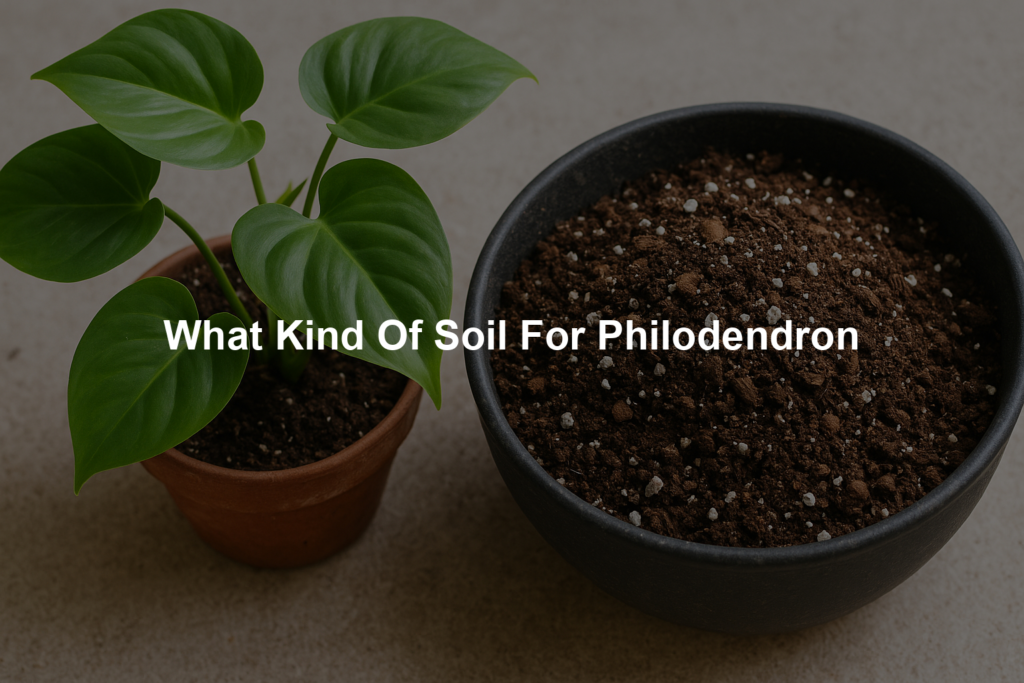
Philodendrons are among the most adaptable houseplants, yet their vigor hinges on answering What Kind Of Soil For Philodendron you provide. A medium that balances aeration, moisture retention, and nutrient supply replicates their native tropical understory, allowing foliage to unfurl with minimal stress. Selecting the appropriate substrate prevents root rot, promotes healthy growth, and enhances the plant’s ornamental value.
Key Takeaways
- A loamy blend with 30‑40 % organic matter mimics forest floor conditions.
- Coarse pine bark or perlite ensures adequate drainage and root aeration.
- Slightly acidic pH (5.5‑6.5) optimizes nutrient uptake for most Philodendron varieties.
- Regularly refresh the mix every 2‑3 years to prevent compaction and nutrient depletion.
- Custom DIY mixes outperform generic store‑bought formulas when tailored to indoor humidity.
Understanding the Importance of What Kind Of Soil For Philodendron
The substrate serves as the plant’s lifeline, mediating water availability, oxygen diffusion, and mineral access. In tropical habitats, Philodendrons thrive on decaying leaf litter supported by well‑drained, humus‑rich soils. Replicating this environment indoors reduces the risk of anaerobic root zones that trigger fungal infections. Moreover, a thoughtfully engineered mix supports the plant’s expansive rhizomes, allowing them to spread without restriction.
Expert Tips for What Kind Of Soil For Philodendron
Begin with a base of high‑quality peat or coco coir, which supplies consistent moisture while remaining breathable. Integrate coarse pine bark at a ratio of 1 part to 2 parts of the base to create channels for air movement. Add perlite or fine pumice (approximately 10‑15 % of the total volume) to improve drainage and prevent compaction over time. Finally, incorporate a slow‑release fertilizer formulated for foliage plants to maintain steady nutrient levels.
Soil Component Breakdown
Organic Matter
Organic components such as peat moss, aged compost, or well‑rotted leaf litter provide the bulk of the substrate’s water‑holding capacity. They also host beneficial microorganisms that convert organic residues into plant‑available nutrients. Aim for a composition where organic matter constitutes roughly one‑third of the total mix.
Aeration Materials
Materials like pine bark, coconut husk chips, and orchid bark introduce macro‑pores essential for oxygen exchange. Without these, the dense root network can become suffocated, leading to chlorosis and stunted growth. Distribute aeration agents evenly to avoid localized dry pockets.
Moisture Retention Components
Perlite, pumice, and expanded clay granules add micro‑pores that retain a thin film of water while allowing excess to drain freely. Their lightweight nature also reduces the overall bulk density, making the pot easier to handle during repotting.
Moisture Management
Philodendrons prefer a consistently moist root zone but are intolerant of standing water. Water the plant when the top inch of the mix feels dry to the touch, allowing excess to escape through drainage holes. In winter months, reduce frequency slightly to align with the plant’s slower metabolic rate, yet never let the substrate dry out completely.
Nutrient Profile
A balanced nutrient regime includes nitrogen for lush foliage, phosphorus for robust root development, and potassium for overall vigor. Incorporate a granular, slow‑release fertilizer at a rate of 1 tablet per gallon of soil, or amend the mix with well‑composted organic matter that releases nutrients gradually. Avoid high‑phosphorus formulations, which can inhibit leaf expansion in many Philodendron cultivars.
pH Considerations
The ideal pH range for Philodendron is slightly acidic, between 5.5 and 6.5. Acidic conditions enhance the solubility of iron and manganese, preventing the common yellowing associated with chlorosis. Test the substrate periodically using a calibrated pH meter; if the mix drifts toward alkalinity, amend it with elemental sulfur or a peat‑based component to restore balance.
Commercial Potting Mixes vs DIY
Pre‑made tropical houseplant mixes often contain peat, perlite, and a modest amount of bark, making them a convenient starter option. However, many commercial blends are overly airy for Philodendrons, lacking sufficient organic bulk. A DIY formulation grants precise control over each component, ensuring the optimal water‑to‑air ratio tailored to the specific cultivar and indoor climate.
Repotting Timing & Techniques
Repot during the active growing season—typically spring to early summer—when the plant can recover quickly from root disturbance. Select a pot that is one size larger than the current container, providing a 2‑3 inch margin for root expansion. Gently loosen the root ball, trim any dead or mushy roots, and place the plant at the same depth it occupied previously to avoid stem rot.
Seasonal Adjustments
During cooler months, Philodendrons enter a semi‑dormant phase, reducing water and nutrient uptake. Adjust the watering schedule accordingly and consider mixing a small proportion of fluffy peat to retain moisture without promoting waterlogging. In the summer, increase aeration by adding a thin layer of coarse bark on the surface, which aids evaporation and mitigates excessive humidity.
Common Mistakes to Avoid
Over‑watering remains the most prevalent error; a soggy mix starves roots of oxygen, accelerating rot. Equally detrimental is using a dense, clay‑heavy soil that impedes drainage, especially in low‑light environments where evaporation is limited. Lastly, neglecting periodic soil renewal leads to compaction, nutrient lock‑up, and a decline in plant vigor.
FAQ
How often should I repot my Philodendron?
Philodendrons benefit from repotting every two to three years, aligning the schedule with the plant’s vigorous growth period in spring. This interval prevents the medium from becoming overly compacted and replenishes essential nutrients. When the roots emerge from the drainage holes or the plant appears top‑heavy, these are clear signs that a larger container is required.
Can I use regular garden soil for my indoor Philodendron?
Garden soil is generally too dense and may contain pests, pathogens, or weed seeds unsuitable for indoor environments. Its texture often lacks the necessary aeration, leading to poor drainage and increased risk of root rot. A specialized indoor mix or a carefully crafted DIY blend is recommended to maintain optimal moisture balance and sterile conditions.
What is the best way to improve drainage in an existing pot?
If the current substrate retains excess water, gently lift the plant and replace the lower half of the mix with a blend rich in perlite, pumice, or coarse bark. Adding a layer of decorative stones at the bottom of the pot is ineffective and can impede water flow; instead, focus on increasing the proportion of coarse, porous materials throughout the medium.
Does the type of pot affect the soil requirements for Philodendron?
Yes, the pot’s material influences moisture dynamics. Terracotta pots are porous and promote faster evaporation, often requiring a slightly more moisture‑retentive mix. Conversely, glazed ceramic or plastic containers retain water longer, necessitating a higher proportion of aeration components to prevent waterlogging. Adjust the soil composition accordingly to maintain consistent root zone conditions.
How can I tell if the soil pH is unsuitable for my Philodendron?
Symptoms of inappropriate pH include interveinal yellowing, leaf curl, and stunted new growth. A simple soil test kit can verify acidity levels; if the pH exceeds 6.5, incorporate organic acids such as pine needles or a modest amount of peat to lower it. Conversely, if the soil is too acidic, a light amendment of garden lime can raise the pH to the optimal range.