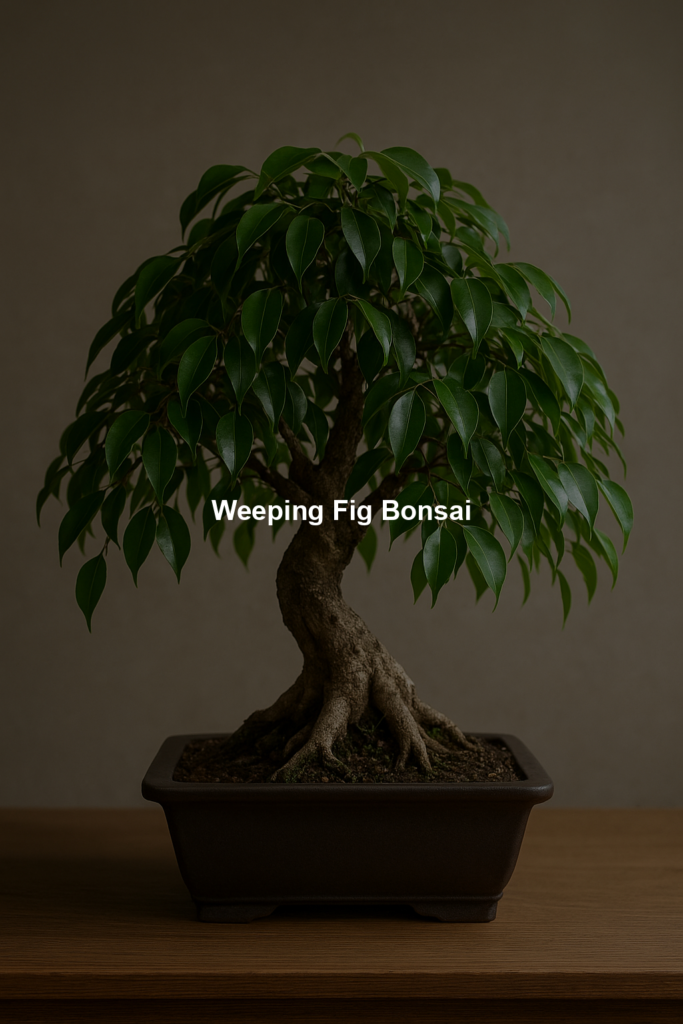
Weeping Fig Bonsai (Ficus benjamina) occupies a singular niche where horticultural precision meets interior design elegance. Its cascading branches, glossy foliage, and adaptability to container life make it a preferred subject for seasoned bonsai artisans and interior stylists alike.
Key Takeaways
- Weeping Fig Bonsai thrives in bright, indirect light and tolerates modest humidity fluctuations.
- Pruning the leader encourages the characteristic drooping silhouette while preserving vascular health.
- Repotting every two to three years sustains root vigor and prevents pot‑bound stress.
- Integrated pest management, emphasizing spider mite surveillance, prolongs aesthetic integrity.
- Strategic placement enhances indoor air quality and complements modern minimal‑ist interiors.
Weeping Fig Bonsai
The foundational decision when commencing a Weeping Fig Bonsai project is the selection of a healthy nursery specimen. Look for a trunk with smooth bark, evenly spaced nodes, and leaves free of discoloration. This initial vigor translates into long‑term resilience during wired shaping and seasonal growth cycles.
Understanding the Importance of Weeping Fig Bonsai
Beyond ornamental appeal, the Weeping Fig Bonsai functions as a living sculpture that moderates indoor microclimates. Its broad leaf surface absorbs volatile organic compounds, contributing to a healthier living environment. Moreover, the plant’s slow‑growth habit aligns with sustainable interior design principles, offering a durable, low‑maintenance focal point.
Weeping Fig Bonsai
Aesthetic mastery demands a nuanced appreciation of proportion. The classic 1:3 ratio—one unit of trunk thickness to three units of canopy height—guides the visual balance that is hallmarked in Japanese bonsai theory. Applying this rule while respecting the tree’s natural growth habit yields a composition that feels both organic and intentionally crafted.
Expert Tips for Weeping Fig Bonsai
- Root Pruning: Conduct root trimming during the early spring repotting window. Excise no more than 30 % of the root mass to stimulate fine root proliferation.
- Wire Technique: Employ annealed copper or aluminum wire of 2–3 mm diameter for branch manipulation. Wrap in a clockwise direction, allowing for gradual curvature without imposing undue tension.
- Fertilization Schedule: Apply a balanced 20‑20‑20 soluble fertilizer at half‑strength bi‑monthly during the active growth period (April–October). Reduce to quarter‑strength in winter to mimic the tree’s natural dormancy.
Cultivation & Maintenance
Light Requirements
Position the bonsai near an east‑facing window where it receives filtered morning sun. Direct midday illumination can scorch the delicate leaf tissue, especially in low‑humidity environments.
Watering Practices
Adopt the “finger test” method: insert the index finger 2 cm into the substrate; if moisture is absent, initiate thorough irrigation until runoff emerges from drainage holes. Avoid water stagnation to prevent root rot.
Humidity Management
In arid climates, employ a humidity tray filled with pebbles and non‑chlorinated water. The evaporative micro‑environment surrounding the pot mitigates leaf browning and supports optimal transpiration.
Seasonal Adjustments
During winter months, relocate the bonsai to a brightly lit interior space where temperatures remain above 12 °C (54 °F). Reduce watering frequency to reflect the plant’s decelerated metabolic rate.
Common Pests and Diseases
Spider Mites
These arachnids proliferate under low humidity. Introduce predatory mites or apply a mild horticultural oil spray bi‑weekly to curtail infestations.
Scale Insects
Identify scale by the presence of waxy, immobile coverings on stems. Mechanical removal with a soft brush, followed by systemic insecticidal soap, restores foliage vigor.
Root Rot
Over‑watering or poorly draining media precipitates Phytophthora spp. Infection. Promptly repot into a well‑aerated mix of Akadama, pumice, and lava rock to re‑establish healthy root zones.
Propagation Strategies
Air Layering
Select a vigorous branch, wound a 2‑cm segment of bark, and encircle with moist sphagnum moss wrapped in plastic. After 4–6 weeks, roots will emerge, permitting separation and potting as a new bonsai specimen.
Stem Cutting
Take semi‑hardwood cuttings in late summer, dip in rooting hormone, and place in a sterile, mist‑controlled propagation chamber. Within three weeks, adventitious roots develop, enabling early‑stage design experimentation.
Design Integration
Integrating a Weeping Fig Bonsai into interior spaces demands attention to scale, material, and surrounding color palette. Pair the bonsai with matte ceramic pots in neutral tones to accentuate the glossy foliage. Position near natural wood furnishings to reinforce the organic narrative without visual competition.
Advanced Styling Techniques
Cascade Form
Create a cascade by allowing the primary leader to droop beyond the pot rim, mimicking a tree growing on a cliff face. Secure the lower branches with discreet wire anchors to maintain controlled descent.
Forest Miniature
Group multiple Weeping Fig bonsai of varying ages within a single shallow tray, arranging them to simulate a miniature woodland. Employ fine gravel and decorative stones to emulate forest floor substrate.
Soil Composition
A balanced substrate promotes drainage while retaining sufficient moisture for fine root activity. A recommended blend consists of 40 % Akadama, 30 % pumice, 20 % perlite, and 10 % organic compost. Adjust ratios in response to local humidity levels and watering frequency.
Fertilizer Regimes
In addition to routine soluble fertilizers, supplement with a slow‑release organics pellet once per growing season. This approach supplies micronutrients essential for chlorophyll synthesis and leaf resilience.
FAQ
How often should I repot a Weeping Fig Bonsai?
Repotting is advisable every two to three years, preferably in early spring before new growth commences. This interval balances root development with the plant’s innate slow‑growth character, ensuring continued vigor without excessive stress.
What is the ideal pot size for a mature Weeping Fig Bonsai?
Select a pot whose diameter is approximately one‑third the trunk’s circumference, providing enough room for root expansion while maintaining the visual proportionality prized in bonsai aesthetics. Typically, a 15‑cm (6‑inch) pot suits a medium‑sized specimen.
Can a Weeping Fig Bonsai tolerate low light conditions?
While the species tolerates moderate shade, prolonged low‑light exposure leads to etiolation and loss of leaf coloration. Aim for bright, indirect illumination; supplemental grow lights can offset seasonal shortfalls in northern latitudes.
How do I prevent leaf drop during seasonal transitions?
Gradually reduce watering volume as daylight wanes, and avoid sudden temperature fluctuations. Maintaining a stable ambient temperature and consistent humidity mitigates stress‑induced leaf abscission.
Is it safe to prune the roots heavily?
Root pruning should never exceed 30 % of the total root mass in a single session. Excessive removal compromises the tree’s ability to uptake water and nutrients, potentially precipitating decline. Schedule incremental pruning across successive repotting cycles.