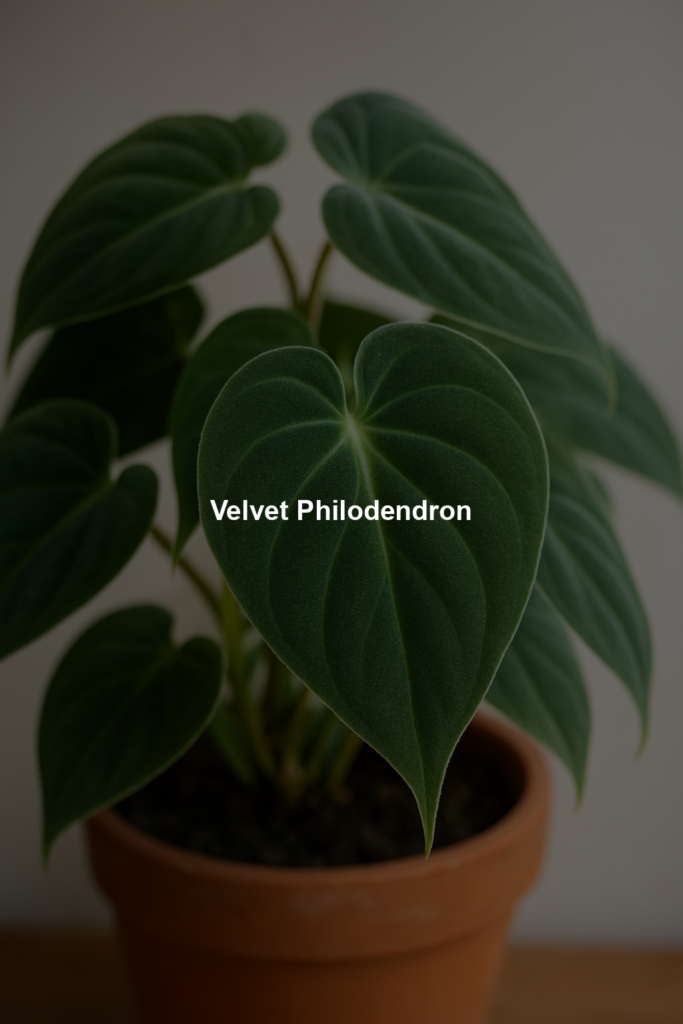
Velvet Philodendron (Philodendron hemiandrum) has become a staple in contemporary interiors due to its strikingly soft leaves and forgiving nature. As a professional horticulturist, I observe that this species thrives when supplied with consistent moisture, moderate light, and a well‑aerated substrate.
Key Takeaways
- Low‑light tolerance makes it suitable for most rooms.
- Weekly watering and monthly fertilization sustain vigorous growth.
- Stem cutting propagation yields roots within 2–3 weeks.
- Prune regularly to maintain compact form and prevent legginess.
- Pair with mid‑century modern furniture for visual contrast.
Velvet Philodendron
The Velvet Philodendron’s popularity stems from its ability to adapt to a range of indoor conditions while delivering a tactile experience uncommon among foliage plants. Its heart‑shaped leaves reach up to 12 inches, and the velvety indumentum reduces transpiration, allowing the plant to endure brief periods of neglect.
Understanding the Importance of Velvet Philodendron
In interior design, texture plays a pivotal role alongside color and form. The muted emerald of Velvet Philodendron provides a calming backdrop that complements bold accents. Moreover, the plant’s air‑purifying capacity aligns with wellness‑focused design trends, removing volatile organic compounds such as formaldehyde.
From a horticultural perspective, this species possesses a robust rhizomatic system that encourages rapid lateral spread. When managed properly, the plant creates a lush, dense canopy that can be sculpted into topiaries, hanging installations, or floor‑level statement pieces.
Expert Tips for Velvet Philodendron
Light: Position the plant near an east‑facing window where it receives bright, indirect illumination. Direct midday sun may scorch the foliage, while deep shade can slow new leaf emergence.
Water: Employ the “finger test” – insert a finger 2 inches into the substrate; water when the top layer feels dry. Over‑watering invites root rot, a common issue in poorly drained pots.
Humidity: Aim for 50–60 % relative humidity. A tabletop humidifier or a pebble tray topped with water sustains optimal leaf turgor, especially during winter heating cycles.
Fertilization: Apply a balanced, water‑soluble fertilizer at half strength once per month during the active growth period (spring–early autumn). Reduce feeding in late autumn to prevent soft new growth vulnerable to cold.
Velvet Philodendron
A systematic approach to soil composition enhances root health. Combine equal parts of high‑grade potting mix, orchid bark, and perlite to achieve a texture that retains moisture without becoming waterlogged. The inclusion of peat moss raises acidity slightly, mirroring the plant’s native tropical forest floor.
Taxonomy and Varietal Distinctions
Velvet Philodendron belongs to the Araceae family, sharing lineage with peace lilies and pothos. While the common cultivar exhibits deep green leaves with a velvety sheen, selective breeding has produced variegated forms displaying creamy margins. These variegated selections demand higher light levels to maintain pattern stability.
Ideal Light Conditions
- Low to medium indirect light: Suitable for bedroom or office environments.
- Bright filtered light: Encourages compact growth and intensifies leaf coloration.
- Avoid direct sunlight: Prevents chlorosis and leaf burn.
Watering Regimen
Consistent moisture is paramount. In the growing season, water when the substrate’s surface dries, typically every 5–7 days. During dormancy, extend intervals to 10–14 days, monitoring for signs of leaf droop which indicate dehydration.
Soil Mix and Fertilization
A well‑draining medium reduces the risk of Phytophthora‑induced root rot. Incorporate mycorrhizal fungi inoculant at planting to foster symbiotic nutrient exchange, enhancing phosphorus uptake essential for leaf development.
Propagation Techniques
Stem cuttings of 4–6 inches with at least two nodes root efficiently in water or a sterile propagation mix. Maintain humidity at 70 % and provide bottom heat (21 °C) to accelerate root emergence. After 2–3 weeks, transplant to a peat‑based potting medium.
Common Pests and Diseases
- Mealybugs: Appear as cottony masses at leaf joints; treat with isopropyl alcohol swabs.
- Scale insects: Scrape with a soft brush and apply horticultural oil.
- Root rot: Result of excess moisture; repot in fresh, well‑aerated medium and trim affected roots.
Styling the Velvet Philodendron in Interior Spaces
When integrating Velvet Philodendron into design schemes, consider the plant’s growth habit. Train vines along a trellis to create vertical greenery, or allow stems to cascade from hanging macramé planters for a boho aesthetic. Pair with matte ceramic pots in neutral tones to highlight the leaf’s natural sheen.
Seasonal Adjustments
In winter, relocate the plant away from drafts and heating vents. Reduce watering frequency and switch to a low‑nitrogen fertilizer to prevent floppy growth. Conversely, during spring, increase feeding and consider pruning to stimulate new shoots for a fuller appearance.
FAQ
How often should I fertilize my Velvet Philodendron?
During the active growth period (April‑September), apply a balanced, water‑soluble fertilizer at half the recommended concentration once every four weeks. In the dormant months (October‑March), discontinue feeding to avoid soft new tissue that is susceptible to cold damage.
Can Velvet Philodendron tolerate low humidity?
The species tolerates average indoor humidity (30‑40 %) but will exhibit slower leaf expansion and a less pronounced velvety texture. To improve leaf vigor, increase humidity to 50‑60 % using a humidifier or periodic misting, especially in dry climates.
What signs indicate over‑watering?
Symptoms include yellowing lower leaves, a soggy substrate, and a musty odor emanating from the pot. Inspect the root ball; healthy roots appear white and firm, whereas rot‑affected roots turn brown and become mushy. Promptly repot in fresh, well‑draining mix if rot is present.
Is it safe to have Velvet Philodendron around pets?
All Philodendron species contain calcium oxalate crystals that can cause oral irritation, drooling, and swallowing difficulty if ingested by cats or dogs. Position the plant out of reach of pets or select pet‑friendly alternatives for households with curious animals.
How can I encourage a bushier growth habit?
Implement regular pruning by removing the terminal shoot just above a node; this stimulates lateral bud development. Additionally, provide bright, indirect light and maintain consistent moisture to support vigorous branching. Training vines onto a moss pole can also promote upright, dense foliage.