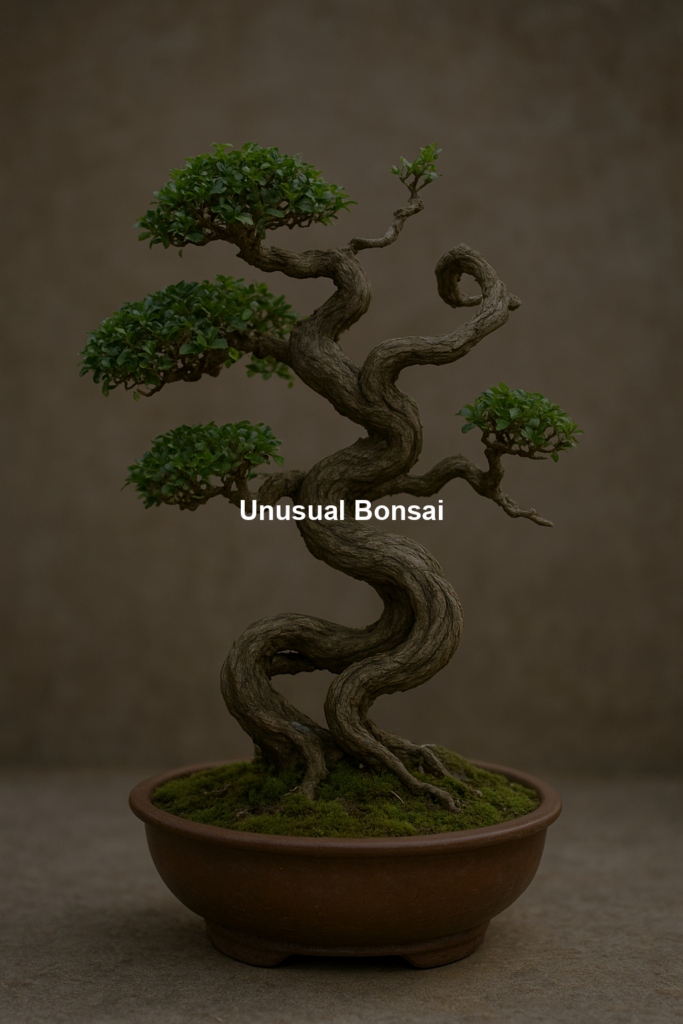
Unusual Bonsai captivate seasoned collectors and design specialists alike, offering a bridge between horticultural mastery and sculptural expression. Mastering these extraordinary specimens demands rigorous knowledge of species biology, innovative styling techniques, and a nuanced understanding of interior integration.
Key Takeaways
- Rare species require customized soil mixes and watering regimes.
- Structural training differs markedly from traditional bonsai forms.
- Strategic lighting is essential for indoor display longevity.
- Seasonal pruning schedules must align with each plant’s native climate.
- Integration with interior design enhances both aesthetic impact and plant health.
Understanding the Importance of Unusual Bonsai
The term Unusual Bonsai encompasses species that diverge from classic junipers, pines, and maples, extending to tropical palms, dwarf conifers, and even succulents. Their rarity adds cultural gravitas, positioning the practitioner as a steward of botanical heritage. Moreover, these specimens introduce textural contrast, inviting dialogue between natural form and modern décor. From a design perspective, an Unusual Bonsai can serve as a focal point, redefining spatial hierarchy within a room.
Expert Tips for Unusual Bonsai
Successful cultivation begins with meticulous species selection; a thorough appraisal of climate adaptability, root architecture, and growth habit is non‑negotiable. Soil composition must balance aeration with moisture retention—often achieved through a bespoke blend of Akadama, pumice, and organic loam. Watering protocols should mirror the plant’s native precipitation patterns, employing a measured “absorption‑drain” cycle to prevent root rot. Finally, regular health assessments—checking for leaf discoloration, pest presence, and branch integrity—enable proactive intervention before stress escalates.
Selecting Species for Unusual Bonsai
Choosing the right species sets the foundation for sustainable artistry.
- Dwarf Japanese Black Pine (Pinus thunbergii ‘Kotobuki’) offers striking bark and a naturally compact habit, ideal for minimalist interiors.
- Ficus retusa thrives in low‑light environments, producing aerial roots that enhance visual drama.
- Gymnocalycium succulents create sculptural silhouettes while demanding minimal water, appealing to busy professionals.
- Araucaria columnaris provides a rare coniferous form, necessitating precise pruning to maintain verticality without compromising vigor.
Each candidate requires a detailed acclimatization plan, aligning its native seasonal cycles with the indoor microclimate.
Cultivation Techniques That Defy Convention
Traditional bonsai methods—wire bending, root trimming, and defoliation—must be adapted for unconventional specimens. For instance, palmetto leaves respond better to gradual tip trimming rather than wholesale leaf removal, preserving photosynthetic capacity. In woody succulents, high‑temperature wire shaping can cause tissue necrosis; instead, employ soft silicone ties repositioned weekly. Seasonal “shock pruning,” wherein 20‑30 % of foliage is removed during dormancy, stimulates vigorous new growth in many tropical varieties, mirroring their wild regeneration patterns.
Styling and Wiring Uncommon Forms
Styling an Unusual Bonsai mandates an appreciation of innate growth vectors. When working with a columnar conifer, focus on creating tapered silhouettes by selectively removing lower branches while reinforcing the central leader with thin, non‑reactive wire. For a ficus, accentuate its natural banyan habit by encouraging aerial roots to anchor on decorative driftwood, thereby integrating the plant into its container design. Wire should be applied at a temperature 10 °C below ambient to prevent damage to delicate bark, and removed before the plant sets new growth rings.
Maintenance Schedules for Rare Specimens
A disciplined maintenance calendar safeguards plant health and design intent.
- Spring: Initiate soil repotting using a 30 % increase in volume; apply a balanced slow‑release fertilizer (N‑P‑K 2‑1‑2).
- Summer: Implement daily misting for humidity‑sensitive species, and conduct weekly pest inspections employing neem oil as a preventive measure.
- Autumn: Perform strategic pruning to shape canopy density, followed by a low‑dose organic mulch to moderate temperature fluctuations.
- Winter: Relocate temperature‑sensitive bonsai to a controlled environment (12‑15 °C) and reduce watering frequency to prevent root sogging. Documentation of each activity in a horticultural log enhances traceability and informs future decisions.
Integrating Unusual Bonsai Into Interior Spaces
Placement strategy intertwines botanical requirements with interior design language. Position a dwarf pine near a north‑facing window to receive diffused morning light, complementing Scandinavian minimalism. A ficus with sprawling aerial roots pairs well with high‑gloss wooden furniture, echoing the plant’s natural epiphytic tendencies. Lighting fixtures equipped with full‑spectrum LEDs can substitute for natural sun, delivering 1,200‑1,500 lux to sustain photosynthesis without overheating. Consider the room’s color palette; the deep green of a gymnocalycium accentuates warm earth tones, while the silvery bark of an araucaria adds contrast to monochrome schemes.
FAQ
What makes a bonsai “unusual” compared to traditional varieties?
Unusual bonsai are defined by species that fall outside the conventional repertoire of pines, junipers, and maples. They frequently originate from tropical, subtropical, or desert biomes, possessing distinct physiological traits such as aerial roots, succulent stems, or atypical bark patterns. These characteristics require specialized care protocols that diverge from standard bonsai practices, thereby classifying them as unusual.
Can I grow an Unusual Bonsai indoors year‑round?
Yes, provided the indoor environment replicates the plant’s native climatic parameters. Essential factors include consistent temperature ranges, appropriate humidity levels, and access to full‑spectrum lighting. For tropical species, maintaining 21‑27 °C with 60‑80 % relative humidity is critical, while desert succulents thrive at cooler night temperatures and lower humidity. Supplemental lighting and humidity trays can bridge gaps inherent to interior spaces.
How often should I repot an Unusual Bonsai?
Repotting frequency varies with species growth rate and container size. Fast‑growing tropical varieties generally require repotting every 12–18 months, whereas slow‑growing conifers may extend to a three‑year interval. The optimal window is early spring when new shoots emerge, allowing the root system to recover during the active growth phase.
What are the best soil components for rare bonsai species?
A high‑quality soil mix should balance drainage, aeration, and nutrient availability. A typical formulation includes 40 % Akadama for water retention, 30 % pumice to improve aeration, and 30 % organic compost or leaf mold to supply organic nutrients. Adjust ratios based on species preference; succulents benefit from increased inorganic media, while moisture‑loving ferns require a higher proportion of organic matter.
How do I prevent pest infestations on Unusual Bonsai?
Integrated pest management (IPM) is essential. Begin with regular visual inspections—examining undersides of leaves, branch junctions, and soil surface. Employ biodegradable neem oil sprays at 2‑3 % concentration biweekly during peak pest periods. Maintaining optimal airflow and avoiding overwatering also diminishes fungal and insect pressures. For severe outbreaks, introduce predatory insects such as ladybird beetles or use horticultural oils approved for indoor use.
Is wiring necessary for all Unusual Bonsai forms?
Wiring remains a valuable tool for shaping, yet its application must be tailored. Species with brittle bark, such as certain succulents, respond better to soft ties or gradual taping methods. Conversely, woody tropical plants accept traditional copper or aluminum wire when applied with care. The guiding principle is to exert sufficient force to guide growth without compromising vascular integrity.
How can I display an Unusual Bonsai as a centerpiece without compromising its health?
Strategic placement ensures visual impact while meeting horticultural needs. Select a stable, shallow tray that accommodates root spread yet permits visible soil profile for aesthetic effect. Pair the bonsai with complementary accessories—such as natural stone or muted ceramics—that echo the plant’s texture. Integrate an LED grow light positioned at a 45‑degree angle to simulate sunlight, and schedule regular misting to sustain ambient humidity. This approach balances design prominence with the plant’s physiological demands.