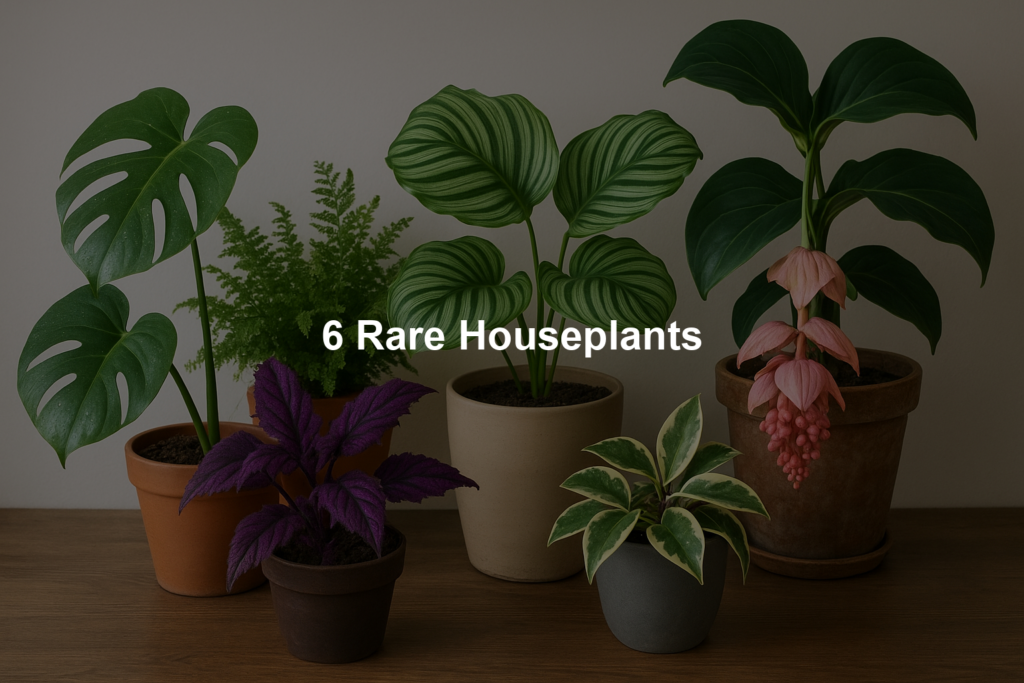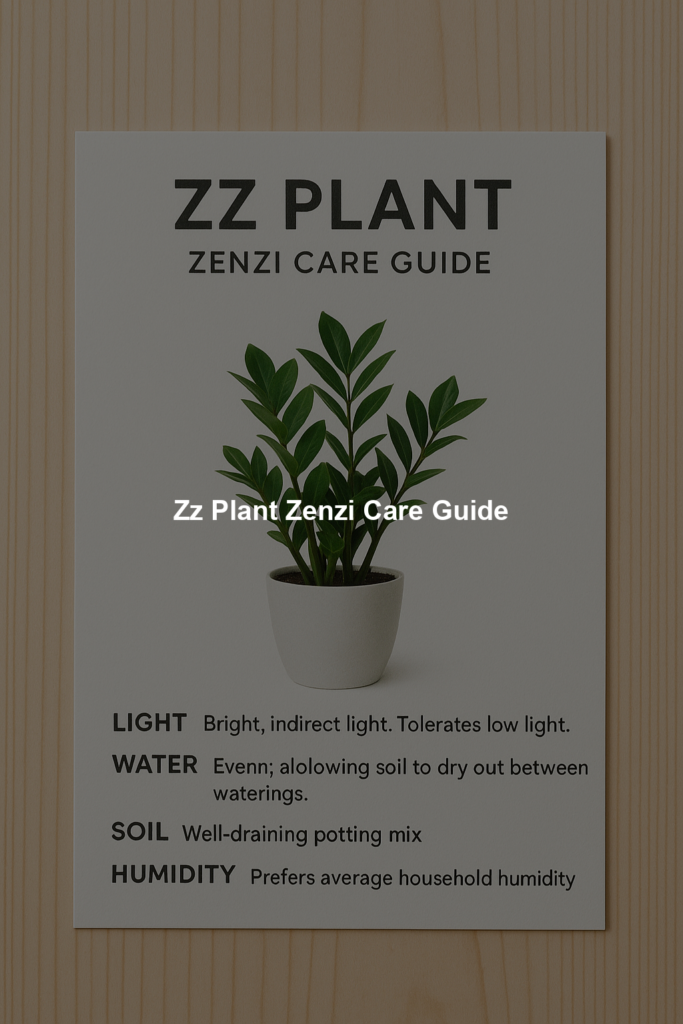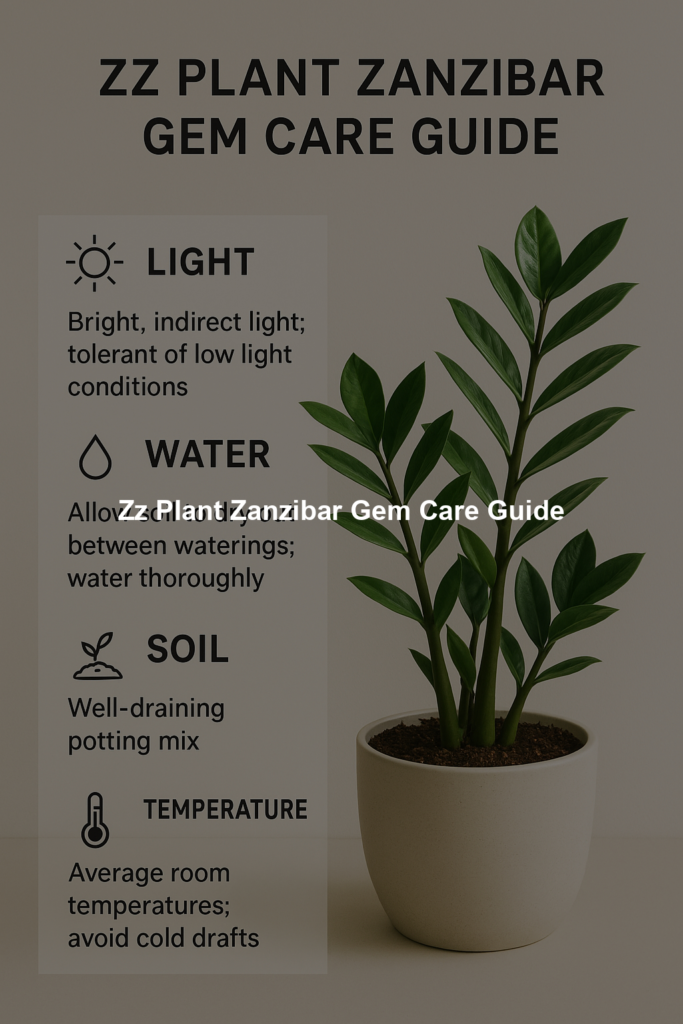
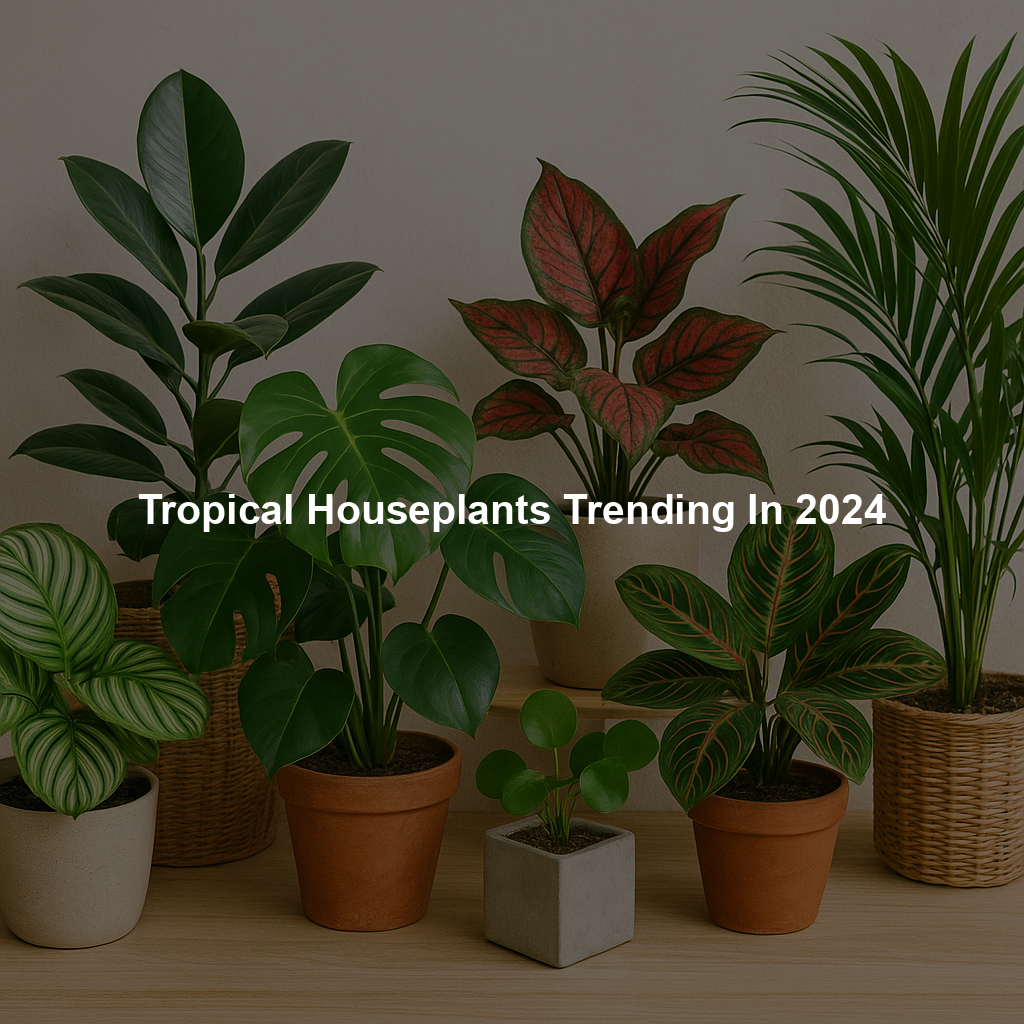
Tropical Houseplants Trending In 2024 are reshaping residential interiors with bold foliage, vibrant texture, and air‑purifying benefits. As a horticulturist who blends botanical science with spatial aesthetics, I observe how these selections respond to modern lifestyles and climate‑conscious design. The following analysis provides the professional framework required to select, nurture, and showcase these plants in contemporary homes.
Key Takeaways
- Air‑purifying foliage dominates the 2024 trend, linking health and décor.
- Low‑maintenance varieties meet the demands of busy urban dwellers.
- Biophilic design integrates tropical plants into lighting, furniture, and color palettes.
- Sustainable propagation practices reduce carbon footprints and support biodiversity.
- Seasonal care calendars maximize growth while preserving indoor climate stability.
Understanding the Importance of Tropical Houseplants Trending In 2024
The resurgence of tropical species aligns with a broader biophilic movement that values nature as a core design element. Research demonstrates that foliage reduces stress, improves air quality, and enhances cognitive performance. In 2024, designers prioritize plants that deliver these physiological benefits without compromising visual drama.
From a horticultural perspective, tropical plants possess adaptive traits such as large leaf surface area and vigorous photosynthetic capacity, which translate into striking indoor statements. Moreover, many of these species are native to rainforests undergoing rapid loss; cultivated propagation offers a form of ex‑situ conservation.
Integrating tropical houseplants also addresses the growing consumer desire for sustainable interiors. Propagation techniques such as tissue culture and cut‑propagation minimize wild harvesting, while biodegradable pots complement the eco‑centric narrative of modern design.
Expert Tips for Tropical Houseplants Trending In 2024
- Assess Light Zones – Map the interior’s natural light using a lux meter. Species like Monstera deliciosa thrive in bright indirect light, whereas Calathea makoyana prefers medium shade.
- Select Appropriate Substrates – Use well‑draining, aerated mixes containing orchid bark, peat, and perlite to mimic native epiphytic environments.
- Regulate Humidity – Maintain 60‑80 % relative humidity with pebble trays, misting systems, or room humidifiers; many tropicals are sensitive to dry indoor air.
- Implement Structured Watering – Adopt the “bottom‑up” watering method to encourage root aeration and prevent foliar rot.
- Rotate Periodically – Turn pots 90° every two weeks to promote uniform growth and prevent phototropism.
Tropical Houseplants Trending In 2024
The following species dominate market reports, interior magazines, and botanical trade shows for 2024. Each entry includes optimal placement, care nuances, and design potential.
Monstera deliciosa
A hallmark of tropical chic, Monstera delivers perforated leaves that add depth to open‑plan spaces. Position near a north‑east window with filtered light; water when the top inch of soil feels dry. Its climbing habit pairs well with macramé hangers and moss poles.
Philodendron selloum (Tree Philodendron)
Robust, large‑leafed, and forgiving, this species thrives in bright indirect light. Its vigorous growth suits statement corners, and pruning encourages a tidy silhouette. Use a peat‑based mix to retain moisture without waterlogging.
Alocasia × amazonica
Renowned for dramatic, arrow‑shaped leaves, Alocasia requires high humidity and consistent moisture. Ideal for bathroom interiors or rooms with humidifiers, the plant benefits from pebble trays and occasional foliar misting.
Calathea ornata
The patterned “Pinstripe” calathea offers subtle, silver‑white stripes against deep green foliage. Low to medium light, along with a consistently moist substrate, prevents leaf curl. Its rhythmic movement in breezes adds kinetic interest.
Rhapis excelsa (Lady Palm)
A slender, clumping palm that tolerates lower light levels, making it suitable for corridors and office spaces. Water moderately and avoid cold drafts; its air‑purifying qualities complement modern minimalism.
Design Integration Strategies
Designers must treat tropical houseplants as living furnishings, not mere accessories. The following strategies facilitate seamless integration:
- Vertical Gardens – Install modular wall panels with pockets for epiphytic orchids, ferns, and bromeliads, creating a living mural that doubles as a focal artwork.
- Layered Canopy – Combine tall, medium, and low‑growth species to mimic forest strata, adding visual depth and facilitating varied humidity zones.
- Color Coordination – Pair foliage with complementary paint palettes; emerald leaves echo teal walls, while variegated foliage accentuates neutral greys.
- Functional Décor – Use plant stands crafted from reclaimed wood or metal to reinforce sustainability narratives while elevating visual impact.
Seasonal Care Calendar
A structured calendar aids caretakers in anticipating plant needs throughout the year.
| Season | Key Actions |
|---|---|
| Winter | Reduce fertilization; maintain humidity with humidifiers; monitor for low‑light stress. |
| Spring | Initiate propagation; increase feeding with balanced NPK; prune for shape. |
| Summer | Provide ample light; adjust watering frequency to prevent drying; watch for pests like spider mites. |
| Autumn | Gradually lower temperature to acclimate; cleanse foliage to remove dust; prepare for reduced daylight. |
Adhering to this schedule ensures vigorous growth while safeguarding plant health during fluctuating indoor conditions.
Sustainable Propagation Practices
Modern horticulture emphasizes low‑impact propagation. Tissue culture labs now produce disease‑free plantlets, reducing the need for wild collection. Home growers can adopt leaf or stem cuttings placed in water or sterile media, minimizing waste. Utilizing biodegradable peat‑free substrates further aligns with zero‑waste objectives.
FAQ
What light levels are optimal for most Tropical Houseplants Trending In 2024?
Most tropical species thrive in bright, indirect light. Position plants near east‑facing windows, using sheer curtains to diffuse harsh rays. Low‑light tolerant varieties like Rhapis excelsa can tolerate dimmer corners, but growth will be slower.
How often should I water a Monstera deliciosa in a temperate climate?
Water when the top 2‑3 cm of soil feels dry to the touch, typically every 7‑10 days in moderate climates. Over‑watering leads to root rot; always ensure the pot has drainage holes.
Can tropical houseplants improve indoor air quality, and if so, which are most effective?
Yes. Species such as Philodendron selloum, Alocasia × amazonica, and the Lady Palm excel at filtering volatile organic compounds (VOCs). Their broad leaf surfaces increase gas exchange, contributing to healthier indoor environments.
Are there specific fertilizers recommended for tropical foliage during the growing season?
A balanced, water‑soluble fertilizer with an NPK ratio of 20‑20‑20 applied at half strength every four weeks supports vigorous foliage. Organic alternatives like seaweed extract improve micronutrient availability without chemical buildup.
How can I increase humidity for humidity‑sensitive tropical plants without a humidifier?
Place plants on pebble trays filled with water, ensuring pot bases do not sit directly in water. Grouping plants together creates a micro‑climate, and occasional misting further raises ambient moisture.