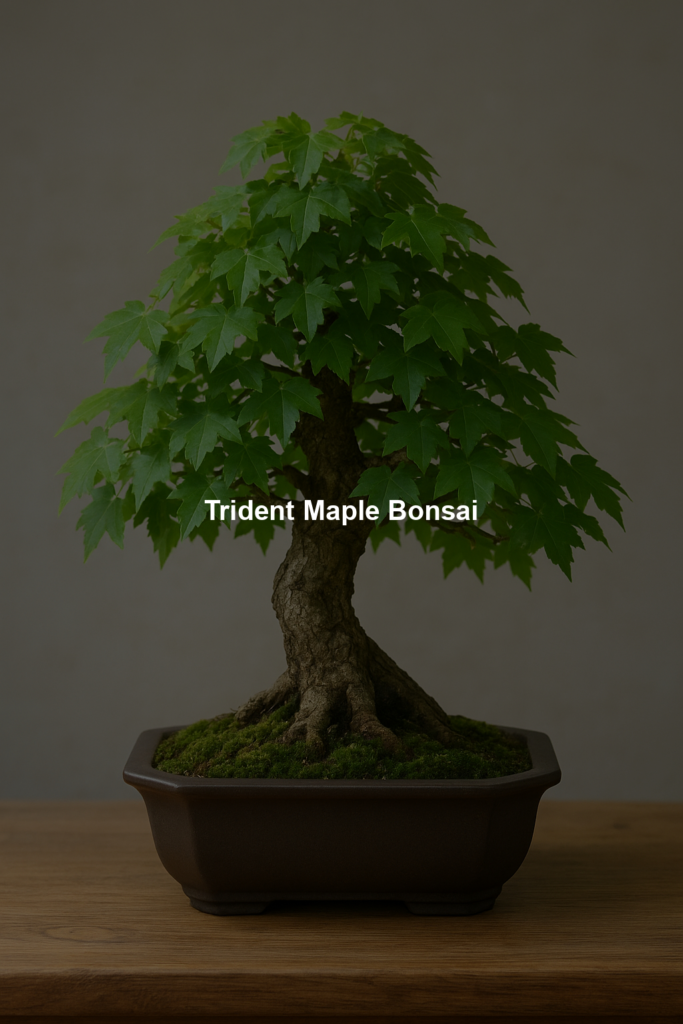
Trident Maple Bonsai captivates both seasoned horticulturists and interior designers with its distinctive three‑lobed foliage and adaptable growth habit. Mastering its development demands an integration of botanical precision, aesthetic vision, and seasonal discipline.
Key Takeaways
- Trident Maple Bonsai thrives in bright, filtered light and requires meticulous watering cycles.
- Pruning and wiring must respect the species’ natural leaf arrangement to preserve its iconic trident form.
- Soil composition should balance drainage with moisture retention; a 70% akadama, 30% pumice mix is ideal.
- Seasonal protection against extreme temperatures is essential for indoor display and outdoor placement.
- Propagation via hardwood cuttings ensures genetic fidelity and accelerates collection development.
Understanding the Importance of Trident Maple Bonsai
The Trident Maple (Acer buergerianum) possesses a naturally compact canopy that translates well into bonsai aesthetics. Its glossy, three‑toothed leaves create a geometric rhythm that complements modern interior spaces and traditional Japanese settings alike. Recognizing this innate architecture reduces the need for aggressive structural manipulation, allowing the practitioner to emphasize subtle refinement over forceful transformation.
Ecologically, the species adapts to a range of climatic zones, from temperate urban gardens to subtropical conservatories. This versatility expands its appeal to designers seeking living artwork that responds to seasonal light and temperature shifts. By integrating Trident Maple Bonsai into interior schemes, designers introduce a living focal point that contributes both visual interest and improved indoor air quality.
From a horticultural perspective, the species exhibits vigorous cambial activity, which supports frequent root pruning without compromising health. This characteristic encourages the creation of deeper, more defined pot surfaces, enhancing the illusion of an aged, mature tree within a limited container.
Expert Tips for Trident Maple Bonsai
1. Light Management – Position the bonsai where morning sun filters through a sheer curtain, avoiding harsh midday rays that scorch delicate leaf margins. Rotate the pot weekly to promote balanced foliage density.
2. Water Discipline – Employ the “finger test” method: insert a finger 2 cm into the soil; if it feels dry, water until runoff. During active growth, maintain a 1–2 cm moisture layer; in dormancy, reduce frequency but monitor humidity.
3. Pruning Strategy – Conduct structural pruning in early spring before bud break. Remove competing shoots while preserving at least two primary branches that echo the natural trident leaf pattern. Follow with leaf‑size reduction to enhance branch ramification.
4. Wiring Technique – Use aluminum wire of 1.0–1.2 mm diameter for primary branch shaping. Apply wire gently, adjusting every 4–6 weeks to prevent embedment as the bark expands. Remove wiring before bark begins to scar.
5. Soil Selection – Blend coarse akadama with fine pumice and a smear of organic loam to create a medium that drains quickly yet holds sufficient moisture for root respiration. Re‑mix annually to prevent compaction.
Cultivation Requirements for Trident Maple Bonsai
Light and Temperature
Optimal performance occurs under 4–6 hours of bright, indirect light. Ideal daytime temperatures range from 18 °C to 24 °C, while winter dormancy benefits from cooler nights near 5 °C to 10 °C. Sudden temperature fluctuations should be mitigated with insulated containers or a protective greenhouse layer.
Watering and Humidity
Trident maple roots are sensitive to both over‑watering and desiccation. Use rainwater or softened tap water to avoid mineral buildup. In dry indoor environments, increase ambient humidity with a pebble tray or misting system, especially during leaf expansion phases.
Fertilization
Apply a balanced, low‑nitrogen fertilizer (N‑P‑K 10‑10‑10) at ¼ strength bi‑weekly throughout the growing season. Transition to a high‑phosphorus formulation (N‑P‑K 5‑10‑5) in late summer to promote root strengthening before winter.
Styling and Design Possibilities
Formal Upright (Chokkan)
Maintain a straight central leader with two symmetrical lateral branches, mirroring the trident leaf motif. This style suits minimalist interiors and accent walls, emphasizing verticality and order.
Informal Cascade (Kengai)
Allow the trunk to bend gently toward the pot rim, creating a flowing silhouette. This approach works well over mantels or entryways, where a dynamic, descending line adds visual movement.
Forest Group Planting
Combine three to five Trident Maple bonsai of varying ages in a single shallow tray. Position taller specimens toward the back, creating depth and a cohesive woodland effect that complements naturalistic décor.
Common Pests and Diseases
Scale Insects
Monitor the undersides of leaves for cottony egg sacs. Treat early infestations with horticultural oil, ensuring thorough coverage of stems and branch junctions.
Powdery Mildew
Fungal growth appears as a white powder on leaf surfaces, especially in high‑humidity conditions. Increase ventilation, reduce overhead watering, and apply sulfur‑based fungicide as needed.
Root Rot
Over‑watering or poorly draining soil leads to anaerobic root decay. Conduct regular soil inspections; replace compromised root mass with fresh medium and adjust watering schedule.
Seasonal Care Schedule
Spring
- Initiate structural pruning post‑bud break.
- Begin gradual increase in watering as temperatures rise.
- Apply nitrogen‑rich fertilizer to support new growth.
Summer
- Maintain consistent moisture; avoid leaf scorch via shading during peak heat.
- Conduct light leaf‑size pruning to encourage ramification.
- Monitor for pest activity and intervene promptly.
Autumn
- Reduce fertilizer to half strength; shift to balanced formulation.
- Prepare for dormancy by decreasing watering frequency.
- Protect against early frosts with burlap wraps if outdoors.
Winter
- Relocate outdoor bonsai to a cool, bright indoor space or unheated greenhouse.
- Limit watering to prevent root freeze‑thaw cycles.
- Inspect for desiccation and mist lightly if air becomes excessively dry.
Propagation Techniques
Hardwood Cuttings
Select semi‑mature stems in late autumn. Strip lower leaves, dip the cut end in rooting hormone, and plant in a moist peat‑sand mix. Cover with a propagation dome and keep at 15 °C–18 °C until roots develop (4–6 weeks).
Air Layering
Identify a healthy branch 15 cm from the apex during spring. Make a shallow upward incision, apply rooting hormone, wrap with sphagnum moss, and seal with plastic wrap. Roots appear in 6–8 weeks; cut below the new root mass and pot.
Design Integration in Interior Spaces
Placement Strategies
Position the Trident Maple Bonsai on a low‑profile timber riser to elevate its presence without overwhelming surrounding furniture. Pair with neutral fabrics and natural stone accents to accentuate the tree’s organic texture.
Lighting Solutions
Install adjustable LED grow lights calibrated to 6500 K to supplement natural daylight during winter months. Position fixtures 30 cm above the canopy to mimic sunlight intensity without causing heat stress.
Complementary Plant Pairings
Combine the Trident Maple bonsai with dwarf ferns, moss lawns, or miniature orchids. The contrasting foliage densities create layered visual interest, enhancing depth while maintaining a cohesive botanical theme.
FAQ
How often should I repot a Trident Maple Bonsai?
Repotting is recommended every two to three years during early spring, before active growth resumes. This interval allows the root system to expand without becoming overly constrained, ensuring continued vigor and structural stability.
What is the ideal soil composition for optimal drainage?
A blend of 70 % akadama, 20 % pumice, and 10 % organic loam provides excellent drainage while retaining sufficient moisture. Adjust the ratios slightly in arid climates to increase water‑holding capacity.
Can Trident Maple Bonsai tolerate direct sunlight?
While the species enjoys bright light, direct midday sun can scorch leaf margins, especially in hot climates. Provide filtered light or a morning sun exposure of 2–3 hours to balance photosynthetic needs with leaf health.
What preventive measures reduce pest infestations?
Maintain proper air circulation, avoid water stagnation, and inspect foliage weekly. Early detection of scale or aphids allows for prompt treatment with horticultural oil, preventing population spikes.
How should I winter‑protect an outdoor Trident Maple Bonsai?
Place the bonsai in an unheated greenhouse or cold frame where temperatures stay above -5 °C. Surround the pot with insulating materials such as straw or burlap and water sparingly to keep the root zone just moist.