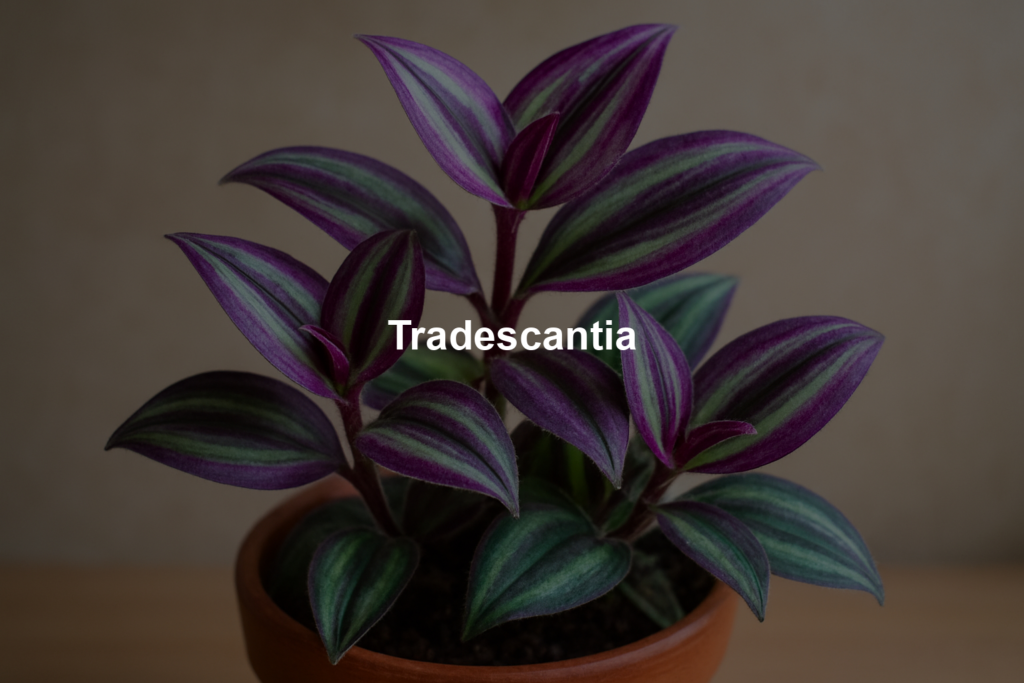
Tradescantia, a versatile genus prized for its foliage vigor and chromatic diversity, occupies a central role in contemporary interior landscaping. Its adaptability to low‑light interiors and capacity for rapid vegetative spread make it a staple for designers seeking resilient, aesthetic greenery.
Key Takeaways
- Tradescantia thrives in bright indirect light but tolerates shade.
- Propagation is most successful via stem or leaf cuttings.
- Soil should be well‑draining; overwatering accelerates root rot.
- Regular pruning maintains form and encourages bushier growth.
- Compatible with vertical systems, hanging baskets, and mixed containers.
Understanding the Importance of Tradescantia
Tradescantia contributes more than visual appeal; its foliage improves indoor air quality by filtering volatile organic compounds. The plant’s growth habit, a low‑maintenance, trailing habit, enables designers to create dynamic spatial compositions with minimal resource input. Moreover, its capacity for rapid vegetative renewal reduces replacement cycles, supporting sustainable design practices.
In professional settings, Tradescantia’s seasonal color shifts—from emerald greens to striking purples and silvers—offer designers a living palette that evolves without additional material costs. This phenotypic plasticity enhances the adaptability of interior schemes across climate zones and client preferences.
Expert Tips for Tradescantia
Maintain a consistent watering schedule: allow the top inch of substrate to dry before rewatering, preventing water‑logged conditions that invite Phytophthora. Fertilize monthly during the active growth phase with a balanced, water‑soluble formula at half the recommended strength to avoid excessive foliage softening.
When integrating Tradescantia into mixed plantings, select companions with complementary moisture and light requirements, such as Sansevieria or Zamioculcas. This synergy minimizes competitive stress and promotes a harmonious micro‑environment within the container.
Botanical Profile
The genus Tradescantia belongs to the family Commelinaceae, comprising over 70 species originating from the Americas. These herbaceous perennials exhibit slender, rhizomatous root systems that facilitate clonal expansion.
Taxonomy
Tradescantia species display a chromosome count ranging from diploid (2n=30) to polyploid forms, influencing leaf morphology and pigment expression. Hybridization within the genus has produced numerous cultivars prized for ornamental foliage.
Morphology
Leaves are typically lanceolate to ovate, with a glossy surface that enhances light reflectance. Stems may be erect or procumbent, bearing small, three‑petaled flowers that are often inconspicuous compared with the foliage’s visual impact.
Propagation Techniques
Successful propagation hinges on selecting healthy, disease‑free parent material. Both stem and leaf cuttings root readily when placed in a moist medium under high humidity conditions.
Stem Cuttings
Excise 4–6 inch segments containing at least two nodes, remove lower leaves, and dip the cut end in a commercial rooting hormone. Place the cutting in a peat‑perlite mix, cover with a plastic dome, and keep at 70‑75 °F for two weeks.
Leaf Cuttings
Detach a mature leaf, slice it longitudinally, and embed the basal portion in a sterile sphagnum medium. Maintain constant moisture; roots typically emerge within 10–14 days, after which the leaf can be transferred to standard potting soil.
Environmental Requirements
Tradescantia’s adaptability is a key asset, yet optimal growth is achieved by fine‑tuning light, soil, and climate parameters.
Light
Provide bright, indirect illumination; a south‑facing window with filtered sunlight delivers ideal intensity. Direct midday sun may cause leaf scorching, especially in lighter‑pigmented varieties.
Soil and Water
Employ a well‑draining cactus or orchid mix, augmented with coarse sand to improve aeration. Water when the substrate surface feels dry to the touch, avoiding standing water in saucers.
Temperature and Humidity
Ideal daytime temperatures range from 65 °F to 80 °F; night drops to 55 °F are tolerable. Moderate humidity (40–60 %) supports foliage vigor; supplemental misting mitigates dryness in arid indoor climates.
Design Applications
Tradescantia’s trailing habit and vivid foliage enable a spectrum of design interventions, from subtle accents to focal statements.
Vertical Gardens
Incorporate stems into modular pocket panels; the plant’s propensity to fill vertical space creates lush, living walls that soften architectural lines.
Hanging Baskets
Suspend mature clumps in woven baskets to allow cascading growth, adding motion and depth to atriums and open‑plan interiors.
Mixed Containers
Combine Tradescantia with succulents and ferns in organically shaped pots; contrasting textures highlight the plant’s glossy leaves while promoting diverse micro‑habitats.
Sustainable Practices
Utilize reclaimed containers and locally sourced, peat‑free potting media to reduce ecological footprint. Implement rainwater harvesting for irrigation, and practice cyclical pruning to recycle biomass as compost, thereby closing the resource loop within interior landscaping projects.
FAQ
How often should I prune Tradescantia to maintain a compact shape?
Prune twice during the growing season—early summer and early autumn—to remove leggy stems and promote lateral branching. Use clean, sharp scissors at a 45‑degree angle just above a node; this encourages new shoot emergence from the cut site. Regular pruning also improves air circulation, reducing the risk of fungal infection.
Can Tradescantia tolerate low‑light office environments?
Tradescantia adapts to low‑light conditions, though growth slows and coloration may fade. Position the plant near a light‑filtered window or provide supplemental LED grow lights set to 12‑hour cycles to maintain vigor. Even modest light improves photosynthetic efficiency and preserves leaf pigment intensity.
What are the most common pests affecting Tradescantia and how can they be managed organically?
Aphids, spider mites, and mealybugs are the primary insect threats. Apply a neem oil spray or insecticidal soap every seven to ten days, covering both leaf surfaces and stems. Encourage natural predators, such as lady beetles, by incorporating companion plants like dill or fennel within the same vicinity.
How do I prevent root rot in Tradescantia when using hydroponic systems?
In hydroponic setups, maintain a nutrient solution temperature below 68 °F and ensure continuous oxygenation with an air stone. Replace the solution weekly to prevent stagnation, and monitor pH levels between 5.5 and 6.5. Avoid over‑saturating the roots; a net pot with a coarse substrate such as expanded clay granules facilitates drainage.
Is Tradescantia safe for households with pets and children?
Most Tradescantia species are non‑toxic, though some varieties may cause mild gastrointestinal irritation if ingested in large quantities. It is prudent to place the plant out of reach of small children and pets prone to chewing, and to educate occupants about appropriate handling. For absolute safety, select cultivars verified as pet‑friendly by reputable horticultural databases.