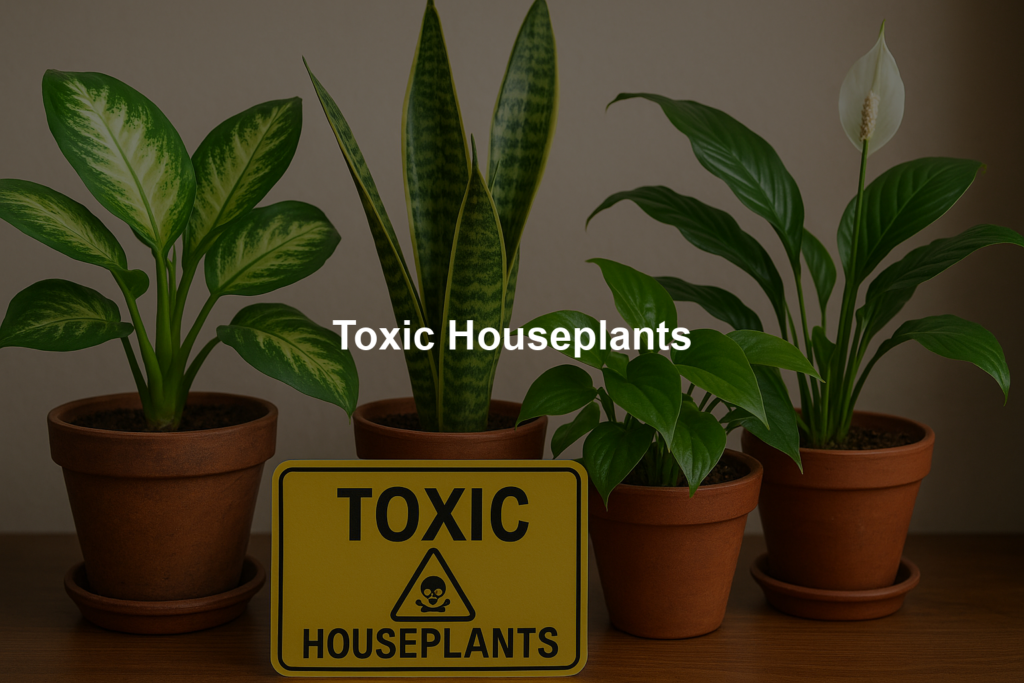
Toxic Houseplants have long captivated interior designers for their foliage and form, yet their chemical defenses pose serious health risks to occupants. Understanding the botanical mechanisms behind toxicity, and integrating rigorous safety protocols, ensures that indoor landscapes enhance wellbeing rather than compromise it.
Key Takeaways
- Over 30 common indoor species contain compounds hazardous to humans or pets.
- Immediate identification and proper placement can prevent accidental ingestion.
- Regular maintenance reduces the concentration of volatile toxins.
- Selecting non‑toxic alternatives preserves aesthetic goals without danger.
Understanding the Importance of Toxic Houseplants
The presence of toxic compounds in ornamental foliage is a defensive adaptation, evolved to deter herbivores. In a domestic setting, these chemicals can cause dermal irritation, gastrointestinal distress, or neurotoxicity. Professionals must balance visual appeal with public health, especially in homes with children, immunocompromised individuals, or animals. Moreover, liability concerns arise when an avoidable exposure leads to medical treatment, prompting many insurers to require documented risk assessments for interior planting schemes.
Expert Tips for Toxic Houseplants
Effective management begins with a systematic inventory. Catalog each species, noting its toxic constituents and the severity of exposure. Deploy signage in areas where vulnerable occupants are present, and educate clients on proper handling. When feasible, isolate high‑risk plants on elevated shelves or within glass enclosures, reducing the likelihood of accidental contact. Routine pruning should be performed with gloves, and fallen foliage must be promptly removed to avoid secondary contamination.
Common Toxic Houseplants to Avoid
Euphorbia spp. (Spurge)
All Euphorbia varieties exude a milky latex rich in diterpene esters. Contact with skin can produce severe inflammation, while ingestion leads to vomiting and diarrhea. The popular Euphorbia pulcherrima (Poinsettia) falls within this group.
Philodendron spp.
Calcium oxalate crystals, known as raphides, are embedded throughout the leaves and stems. Chewing releases sharp needles that cause immediate swelling, burning sensations, and potential airway obstruction.
Dieffenbachia spp. (Dumb Cane)
Similar to philodendrons, Dieffenbachia contains raphides that provoke intense oral irritation. Historically, the plant earned its common name from the temporary speech loss experienced after ingestion.
Cycas revoluta (Sago Palm)
Despite its palm-like appearance, the sago palm harbors cycasin, a potent hepatotoxin. Even minute amounts ingested can result in liver failure, making it one of the most hazardous indoor specimens.
Oleander (Nerium oleander)
All parts of Oleander contain cardiac glycosides that interfere with heart rhythm. While seldom kept indoors, its ornamental appeal sometimes leads to placement in atriums or conservatories.
Aloe vera (Medicinal Aloe)
Although celebrated for its soothing gel, the outer leaf latex contains anthraquinone glycosides that act as laxatives. Ingestion of large quantities can cause abdominal cramps and electrolyte imbalance.
Recognizing Symptoms in Humans and Pets
Human Exposure
Early signs include oral burning, swelling of lips or tongue, and gastrointestinal upset. Systemic toxicity may manifest as dizziness, visual disturbances, or cardiac irregularities, depending on the plant’s active compounds.
Animal Exposure
Pets often exhibit excessive drooling, pawing at the mouth, vomiting, and in severe cases, seizures. Cats are particularly sensitive to calcium oxalate crystals, while dogs may develop hepatic necrosis after ingesting sago palm tissue.
Mitigation Strategies for Interior Designers
Strategic placement is paramount. High‑traffic zones should feature only non‑toxic selections. When a toxic specimen is essential for a design concept, encase it within a purpose‑built display that restricts direct access. Incorporate barrier plants—species that naturally deter pets, such as Sansevieria—to create a protective perimeter. Additionally, ensure that ventilation systems do not circulate airborne latex or pollen from toxic foliage.
Legal and Insurance Considerations
Many jurisdictions classify certain plant toxins as hazardous materials under occupational safety regulations. Professional contracts should include clauses that delineate responsibility for plant selection, maintenance, and client education. Insurance carriers frequently request evidence of risk mitigation, such as documented plant inventories and safety signage, before issuing coverage for interior landscaping projects.
Selecting Low‑Risk Alternatives
Designers can achieve comparable texture and color using non‑toxic species. Options include Maranta leuconeura (Prayer Plant) for patterned foliage, Ficus elastica (Rubber Plant) for bold leaves, and Pilea peperomioides for geometric appeal. These alternatives provide visual interest without the accompanying health concerns.
Maintenance Practices that Reduce Toxicity
Routine watering with distilled water minimizes mineral buildup that can exacerbate toxin release. Prune with sanitized tools to prevent pathogen transfer, and dispose of waste in sealed containers. For plants that produce latex, wiping leaves with a mild soap solution can neutralize surface irritants.
FAQ
What are the most dangerous Toxic Houseplants for children?
Species containing calcium oxalate crystals, such as Philodendron and Dieffenbachia, produce immediate oral irritation that can lead to choking. Additionally, Sago Palm presents a high risk of liver damage even from small ingestions.
How can I safely display a Toxic Houseplant in a public space?
Encapsulate the plant within a locked glass cabinet, attach clear warning labels, and restrict access to trained staff. Ensure that the enclosure is positioned away from areas frequented by children or pets.
Are there any indoor plants that are toxic only when ingested, not through skin contact?
Yes. Aloe vera latex is primarily harmful when consumed; the gel interior is generally safe for topical use. Nevertheless, handling the entire leaf without gloves may still cause mild irritation.
What immediate steps should I take if my pet ingests a Toxic Houseplant?
Contact a veterinarian promptly, providing the exact plant identification and amount consumed. If possible, bring a sample of the plant to aid in diagnosis. Do not induce vomiting unless instructed by a professional.
Can air purifiers mitigate the volatile toxins released by houseplants?
Air purifiers equipped with HEPA and activated carbon filters can reduce airborne particulates and some volatile organic compounds, but they do not eliminate solid toxins present in plant tissue. Physical barriers remain essential.
Do Toxic Houseplants lose their harmful properties over time?
Most toxic compounds are stable throughout the plant’s lifecycle. Seasonal leaf shedding may temporarily reduce exposure, but new growth typically reestablishes the same level of toxicity.