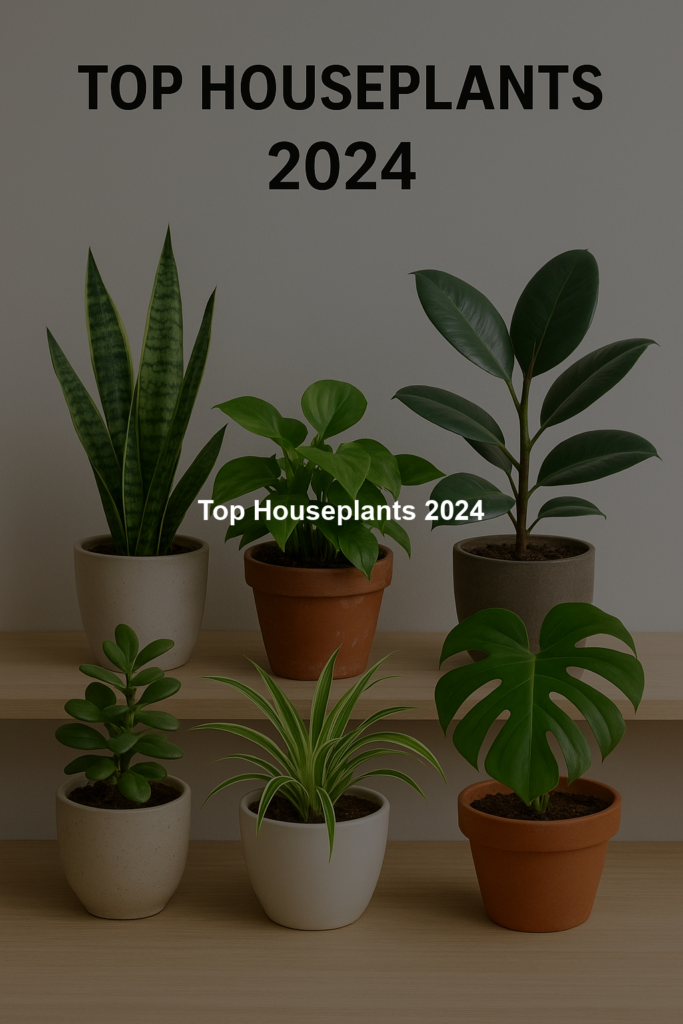
Top Houseplants 2024 have redefined interior horticulture, offering a blend of aesthetic appeal, air‑purifying function, and resilience to modern indoor environments. As a horticulturist with fifteen years of curating indoor landscapes, I assess each species against light tolerance, humidity needs, and decorative versatility to recommend the most suitable candidates for sophisticated spaces.
Key Takeaways
- Adaptability: Species chosen thrive across varied light conditions, from bright windows to low‑lit corners.
- Health Benefits: Selected plants demonstrate measurable air‑purifying capabilities.
- Design Integration: Each recommendation complements contemporary interior palettes and textures.
- Maintenance Simplicity: Low‑maintenance varieties reduce caregiver burden without sacrificing visual impact.
- Trend Alignment: Selections reflect global design forecasts and consumer preferences for 2024.
Understanding the Importance of Top Houseplants 2024
The indoor plant market has shifted from ornamental novelty to essential design element, driven by heightened awareness of indoor air quality and biophilic design principles. Incorporating the right houseplants enhances oxygen exchange, reduces volatile organic compounds, and creates a calming visual backdrop that supports well‑being. Moreover, the right species can endure fluctuating indoor climates, reducing replacement cycles and conserving resources.
Expert Tips for Top Houseplants 2024
Successful integration begins with accurate assessment of site conditions: quantify light hours, measure ambient humidity, and note temperature swings. Pair foliage density with architectural scale—tall, architectural leaves suit high ceilings, while compact rosettes accommodate intimate spaces. Adopt a layered watering schedule, allowing the substrate to dry partially between applications to prevent root rot. Finally, employ organic, slow‑release fertilizers to sustain growth without overwhelming the plant’s metabolic balance.
Top Houseplants 2024
The following categories encapsulate the most compelling selections for 2024, each vetted for visual harmony and physiological robustness.
Foliage Dominants
- Monstera deliciosa ‘Albo‑Variegata’ – Striking variegated leaves thrive in bright, indirect light and tolerate occasional dry periods. Its dramatic perforations add sculptural interest.
- Philodendron ‘Pink Princess’ – Deep green foliage with pink splashes performs well in moderate light; it tolerates occasional neglect, making it ideal for busy interiors.
- Ficus lyrata (Fiddle‑leaf fig) – Robust, glossy leaves flourish in bright environments with steady moisture, providing a bold vertical accent.
Compact Flowering
- Anthurium Scherzerianum – Glossy, heart‑shaped foliage paired with vivid red spathes excels in medium light and high humidity, perfect for bathroom displays.
- Peace Lily (Spathiphyllum floribundum) – Adaptable to low light, it produces graceful white blooms while filtering indoor pollutants.
- Kalanchoe blossfeldiana – Succulent foliage supports long‑lasting colorful flowers; tolerant of bright direct light and minimal watering.
Air‑Purifying Specialists
- Sansevieria trifasciata ‘Laurentii’ – Resilient to neglect, it processes benzene and formaldehyde efficiently, ideal for office cubicles.
- Chlorophytum comosum (Spider plant) – Rapid growth and arching leaves capture airborne particles; thrives in varied light levels.
- Dypsis lutescens (Areca palm) – Fronded elegance contributes substantial humidity and removes toxins, flourishing under bright indirect light.
Top Houseplants 2024
Effective care regimes differentiate thriving displays from stagnant collections. The following guidelines address nutrient management, pest control, and seasonal adjustments.
Watering & Soil Dynamics
Adopt the “finger test” to gauge substrate moisture; aim for the top 2 cm to dry before rewatering. Employ well‑draining mixes containing orchid bark, perlite, and peat for epiphytic species, while succulents prefer cactus blend with coarse sand. In winter, reduce frequency by 30 % to accommodate slowed growth.
Light Optimization
Utilize sheer curtains or sheer blinds to diffuse harsh noon sun, protecting variegated foliage from scorch. For low‑light zones, supplement with full‑spectrum LED grow lights positioned 12‑18 inches above foliage for 10‑12 hours daily, ensuring photoperiod consistency.
Nutrient Provision
Apply a balanced, water‑soluble fertilizer (20‑20‑20) at quarter strength bi‑monthly during active growth. For foliage‑rich species, integrate a foliar spray of iron chelate to maintain chlorophyll vibrancy. Avoid excess nitrogen to prevent leggy, weak stems.
Integrated Pest Management
Inspect leaves weekly for aphids, spider mites, and mealybugs. Employ neem oil sprays at 1 % concentration, ensuring full coverage of leaf undersides. Encourage natural predators such as lady beetles in display rooms with adequate ventilation.
Styling Trends
Biophilic design continues to favor juxtaposition of textures—pairing smooth‑leafed ZZ plants with coarse‑jute woven baskets creates tactile contrast. Vertical gardens using modular wall planters have risen, especially with trailing species like Pothos and String of pearls that cascade in staggered layers. Color palettes now gravitate toward muted earth tones, allowing plant foliage to serve as primary accent rather than competing with painted walls.
FAQ
Which houseplants are most tolerant of low‑light conditions in 2024?
Low‑light tolerant species include Sansevieria trifasciata ‘Laurentii’, Zamioculcas zamiifolia, and Peace Lily. These plants possess thick, waxy leaves that maximize photosynthetic efficiency under minimal illumination. Regularly rotate them into brighter areas to prevent etiolation, but they will maintain health even when positioned away from windows.
How often should I fertilize my Top Houseplants 2024 selections?
During the spring and summer growth phases, apply a balanced liquid fertilizer at ¼ strength every six weeks. In autumn and winter, discontinue feeding or reduce to once a season, as metabolic activity declines. Over‑fertilization can lead to salt buildup, manifesting as leaf tip burn.
What is the best method for propagating Pothos (Epipremnum aureum) in 2024?
Stem cuttings of 8‑10 cm placed in water will develop roots within 2‑3 weeks. Change water every 48 hours to maintain oxygen levels. Once roots reach 2‑3 cm, transplant into a light‑well‑draining potting mix. This method yields robust clones while preserving the parent plant’s vigor.
Can Top Houseplants 2024 improve indoor air quality, and if so, how?
Yes, several selections act as natural air filters. Spider plants, Areca palms, and Ficus lyrata absorb volatile organic compounds such as formaldehyde and xylene, converting them into harmless substances. To maximize impact, distribute multiple plants throughout the space, ensuring each operates within its optimal light zone.
How should I handle seasonal temperature fluctuations for tropical houseplants?
Tropical species favor stable temperatures between 18 °C and 27 °C. During winter, avoid placing them near drafts, radiators, or exterior doors. If indoor heating causes dry air, employ a humidifier or group plants together to create a micro‑climate with higher humidity. Gradual acclimation prevents shock.
What are the most common pests affecting Top Houseplants 2024 and how are they best controlled?
Aphids, spider mites, and mealybugs are prevalent. Early detection involves inspecting leaf undersides and stems. Neem oil spray applied weekly for three applications typically eradicates infestations. For severe cases, isolate the plant and use a horticultural insecticidal soap, ensuring thorough coverage of all surfaces.
Is repotting essential each year for fast‑growing houseplants?
Fast‑growing varieties such as Monstera deliciosa and Fiddle‑leaf fig benefit from annual repotting in spring. Choose a pot one size larger than the current container, employ fresh, well‑draining mix, and gently tease roots to encourage expansion. Slower growers may be repotted every two to three years.