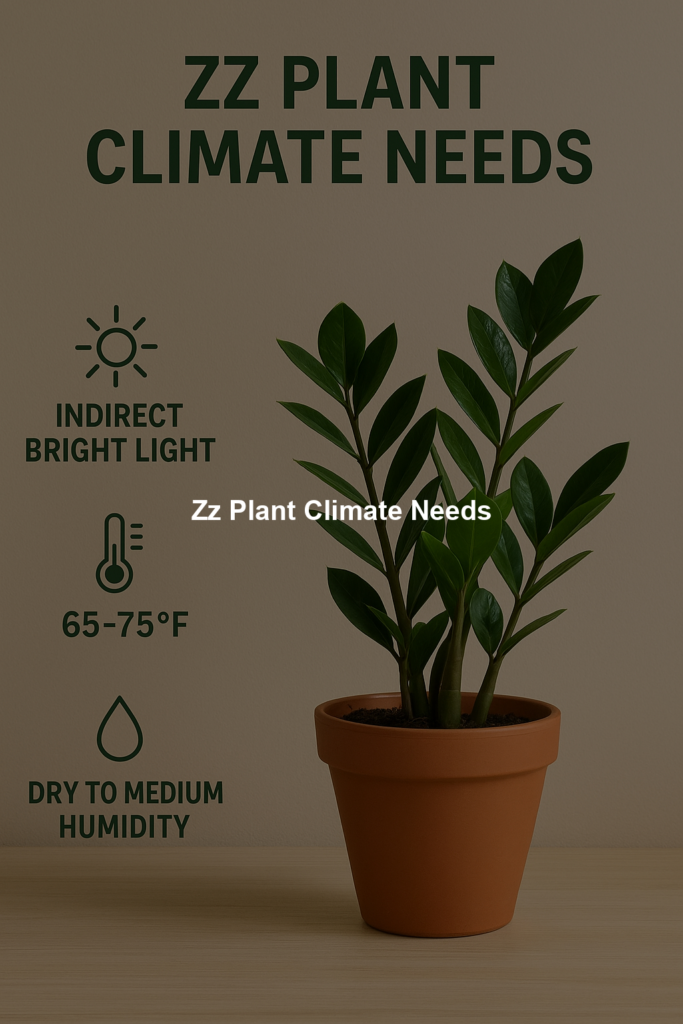
Zz Plant Climate Needs dictate the environmental parameters that enable Zamioculcas zamiifolia to flourish year‑round. As a resilient yet selective species, the ZZ plant demands a balance of temperature, light, humidity, and soil conditions that mimic its native tropical understory. Understanding these needs eliminates common stress symptoms and maximizes aesthetic impact in residential and commercial interiors.
Key Takeaways
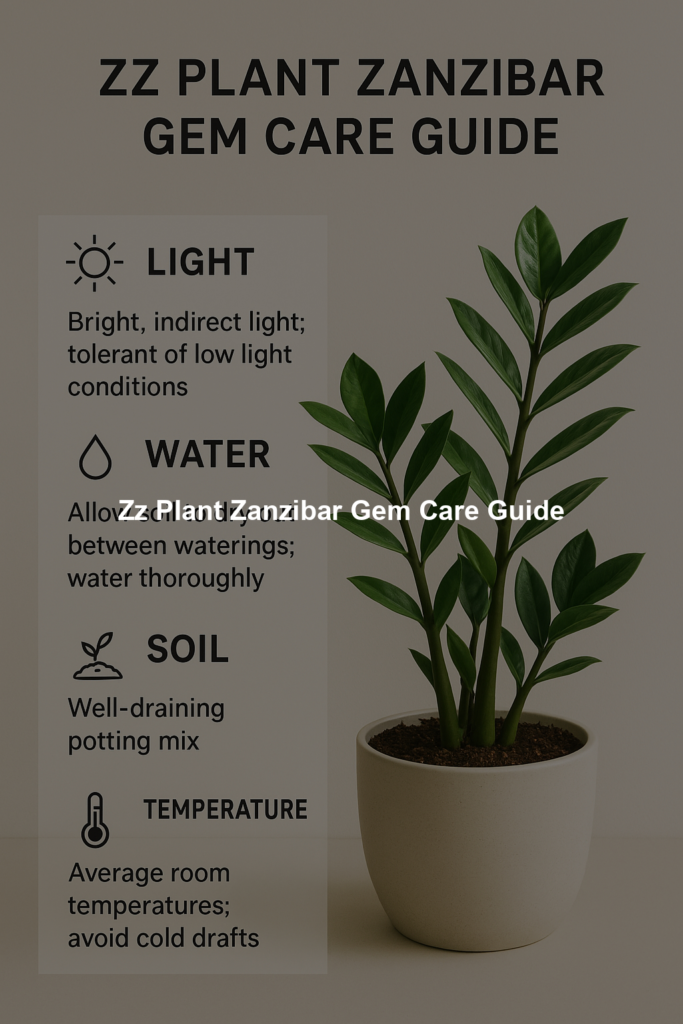
- Temperature range: 60‑80 °F (15‑27 °C) optimum; avoid below‑50 °F (10 °C).
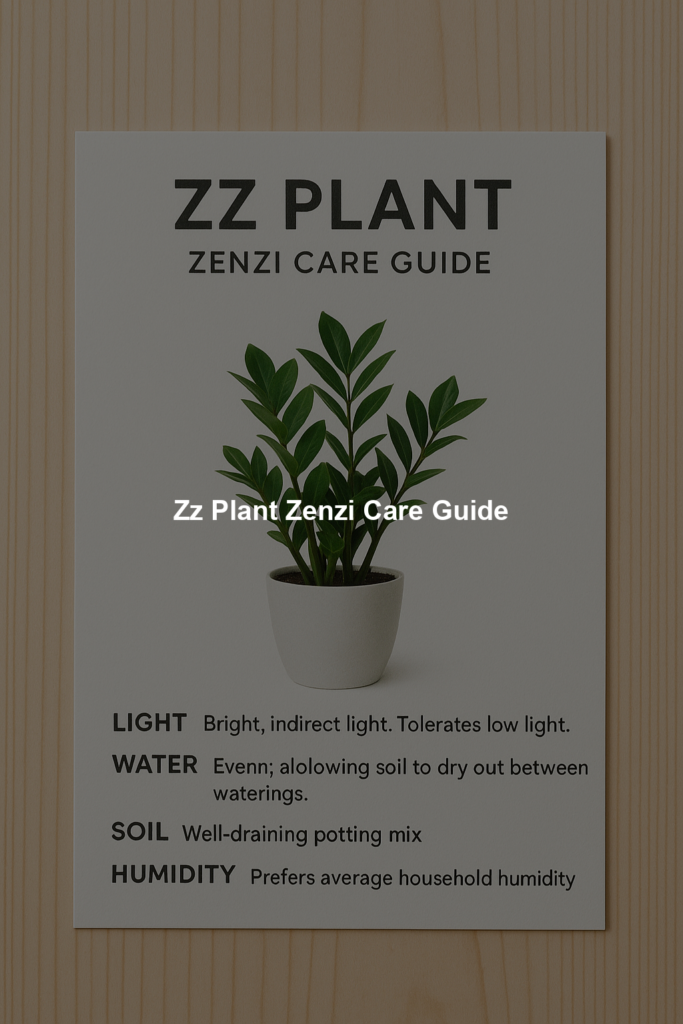
- Light tolerance: Low to moderate indirect light; bright filtered light accelerates growth.
- Humidity: 40‑60 % relative humidity supports healthy leaf vigor.
- Soil: Well‑draining, aerated mix prevents root rot and encourages rhizome expansion.
- Seasonal adjustments: Modify watering and placement as daylight hours shift.
Zz Plant Climate Needs
The core climate envelope for the ZZ plant centers on stable, moderate warmth and protection from drafts. Native to East African woodlands, it thrives under consistent temperatures that rarely dip below 55 °F (13 °C). Fluctuations greater than 10 °F (6 °C) within a single day can stress the rhizomes, leading to leaf discoloration. Maintaining a micro‑environment that mirrors these conditions is essential for sustained vigor.
Understanding the Importance of Zz Plant Climate Needs
Appreciating why climate alignment matters prevents misdiagnosis of physiological disorders. Leaf yellowing, leaf drop, and stunted growth are often misattributed to pests or nutrients when temperature or humidity is the underlying cause. By correlating observed symptoms with specific climate parameters, horticulturists can implement precise interventions rather than broad, ineffective treatments.
Zz Plant Climate Needs
Geographically, the ZZ plant aligns with USDA hardiness zones 10‑12 for outdoor cultivation, though indoor growers can emulate these conditions across any zone. In temperate climates, the plant should remain indoors during winter, where ambient temperature stays within the 60‑75 °F (16‑24 °C) window. Seasonal acclimation—gradually exposing the plant to brighter light in spring—leverages its adaptive capacity without causing photoinhibition.
Expert Tips for Zz Plant Climate Needs
- Gradual temperature shifts: Introduce changes of no more than 5 °F (3 °C) per day to avoid shock.
- Temperature monitoring: Use a digital hygrometer/thermometer placed at leaf level for accurate readings.
- Heat sources: Avoid direct placement beneath radiators or heating vents; use a heat‑mat only when ambient temperature falls below 55 °F (13 °C).
- Winter protection: Group ZZ plants with other tropicals to create a stable micro‑climate and reduce heat loss.
Temperature Tolerance and Seasonal Management
The ZZ plant tolerates brief excursions to 50 °F (10 °C) but prolonged exposure curtails metabolic activity. Growth virtually ceases below this threshold, and prolonged cold can irreversibly damage the rhizome.
Optimal Daytime Range
During daylight hours, maintain temperatures between 70‑80 °F (21‑27 °C). This range optimizes photosynthetic efficiency while preventing excessive transpiration. Supplemental lighting should be positioned to avoid heat buildup, using LED fixtures with low thermal output.
Nighttime Considerations
Nighttime temperatures should not drop more than 10 °F (6 °C) below daytime highs. A stable nocturnal environment of 60‑70 °F (15‑21 °C) promotes continuous respiration without inducing stress. In cooler climates, a low‑intensity heat source can stabilize night temperatures.
Light Requirements and Placement Strategies
While the ZZ plant tolerates low light, insufficient illumination slows leaf production and reduces the plant’s characteristic sheen. Conversely, intense direct sunlight can scorch foliage, especially in windows with south‑facing exposure.
Direct vs. Indirect Light
Position the plant near east‑ or north‑facing windows where filtered light prevails. If placed in a brighter spot, employ sheer curtains to diffuse harsh rays. Artificial grow lights positioned 12‑18 inches above the canopy provide consistent illumination without overheating.
Seasonal Light Shifts
As autumn days shorten, gradually shift the plant toward brighter areas to compensate for reduced daylight intensity. Conversely, during summer months, monitor for leaf burn and relocate the plant a few feet away from windows receiving peak sun.
Humidity Control and Airflow
Relative humidity between 40‑60 % mirrors the plant’s native understory conditions. Low humidity accelerates leaf curl and brown tip formation, while excessive humidity fosters fungal pathogens.
Ideal Relative Humidity
Utilize a room humidifier during winter heating periods to sustain optimal moisture levels. Grouping plants together creates a localized humidity micro‑climate, reducing the need for mechanical humidification.
Ventilation Best Practices
Adequate airflow prevents stagnant air pockets that encourage mildew. Place the ZZ plant near a ceiling fan or use periodic gentle breezes; however, avoid direct drafts that can cause rapid temperature fluctuations.
Soil and Watering Regimes in Relation to Climate
A well‑draining substrate mitigates the risk of root rot, especially when temperatures rise and evaporation rates increase. The soil mix should consist of equal parts potting compost, perlite, and coarse pine bark.
Soil Texture and Drainage
In humid climates, incorporate additional coarse sand or expanded clay to enhance drainage. For drier interiors, a modest increase in organic matter retains enough moisture without compromising aeration.
Watering Frequency Adjusted for Temperature
Water the ZZ plant when the top 2‑3 inches of soil feel dry to the touch. In cooler periods, reduce watering to once every 3‑4 weeks; during warm months, increase to weekly intervals, ensuring excess water can freely drain.
Indoor vs. Outdoor Cultivation Scenarios
While primarily an indoor ornamental, the ZZ plant can be transitioned outdoors in USDA zones 10‑12 where temperatures remain consistently warm. Outdoor placement should emulate indoor conditions: shade, well‑draining soil, and protection from wind.
When to Transition Outdoors
Begin outdoor exposure after the last frost, when nighttime lows remain above 55 °F (13 °C). Acclimate the plant over a two‑week period, incrementally increasing outdoor exposure each day to prevent shock.
Protecting Outdoor Plants from Extremes
Employ mulch around the base to regulate soil temperature and retain moisture. In regions prone to sudden rainstorms, use a temporary shelter to shield the plant from waterlogged conditions that could saturate the rhizomes.
Common Challenges Linked to Climate Mismatch
Misalignment between the ZZ plant’s climate needs and its environment manifests in distinct physiological symptoms, each requiring targeted remediation.
Leaf Yellowing and Drop
Typically caused by low temperatures or excessive watering. Adjust the thermostat to maintain a minimum of 60 °F (15 °C) and allow the soil to dry between waterings.
Stunted Growth
Often a result of insufficient light or chronic low humidity. Relocate the plant to a brighter position and raise ambient humidity using a tabletop humidifier.
Pests Favored by Improper Climate
Spider mites thrive in overly dry environments, while mealybugs proliferate in warm, stagnant air. Maintaining balanced humidity and regular airflow reduces pest incidence.
FAQ
What temperature range is safe for a ZZ plant during winter?
A ZZ plant tolerates temperatures down to 55 °F (13 °C) for short periods, but sustained exposure below 60 °F (15 °C) can impair growth and cause leaf yellowing. Ideal winter temperatures lie between 60‑70 °F (15‑21 °C), with gradual cooling to avoid shock. If indoor heating creates dry air, supplement humidity to offset temperature stress.
How much direct sunlight can a ZZ plant endure?
The ZZ plant prefers indirect, filtered light; direct midday sun can scorch its leathery leaves, especially in south‑facing windows. Brief morning sun for 30‑45 minutes is acceptable, but consistent exposure beyond that risks leaf burn. When higher light levels are desired, employ sheer curtains or position the plant several feet from the window.
Does the ZZ plant need higher humidity in summer?
During summer, ambient humidity often rises naturally; the ZZ plant generally thrives at 40‑60 % relative humidity. In very dry indoor environments—common with air conditioning—use a humidifier or place a pebble tray with water beneath the pot to raise local moisture. Conversely, excessive humidity above 70 % can invite fungal issues, so balance is key.
Can I grow a ZZ plant outdoors in a temperate climate?
Outdoor cultivation is viable only in USDA hardiness zones 10‑12, where temperatures remain above 55 °F (13 °C year‑round. In marginal zones, treat the plant as an annual or move it indoors during colder months. Ensure outdoor placement offers shade, well‑draining soil, and protection from wind and heavy rain.
How often should I water my ZZ plant when the room temperature rises to 80 °F (27 °C)?
At higher temperatures, the soil dries more quickly. Check the top 2‑3 inches of the substrate; if dry, water thoroughly, allowing excess to drain. Typically, in an 80 °F environment, weekly watering suffices, but always adjust based on soil moisture rather than a fixed schedule. Over‑watering remains the primary cause of root rot, so err on the side of dryness.