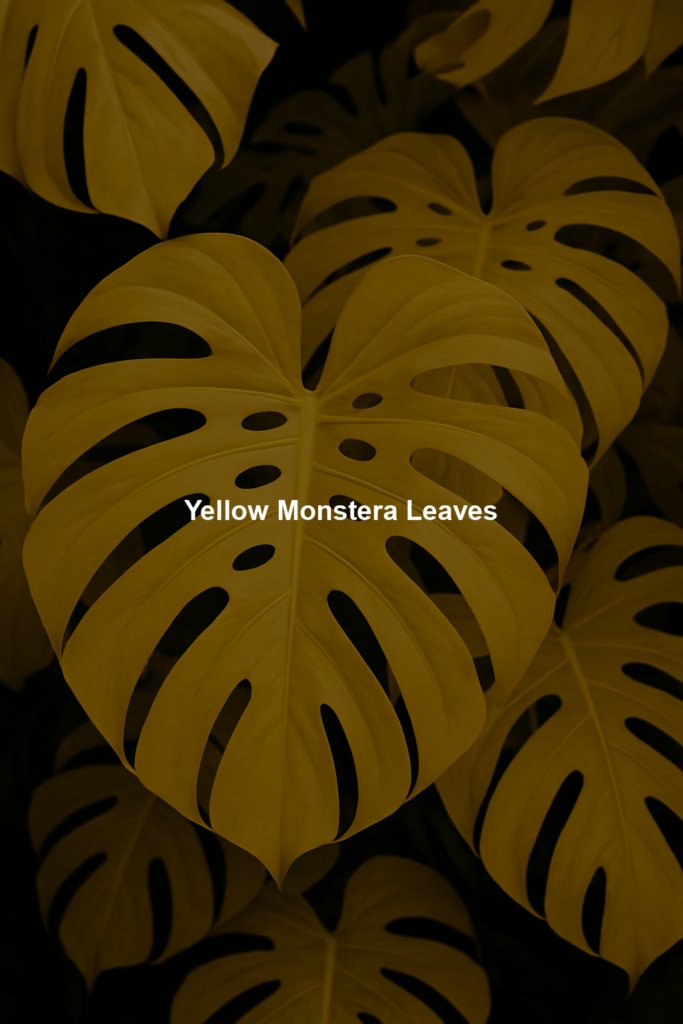
Yellow Monstera Leaves are a vivid indicator of plant health, demanding a nuanced understanding of both physiological processes and environmental variables. This article delivers a comprehensive, research‑backed examination for horticultural professionals and interior designers alike.
Key Takeaways
- Yellow Monstera Leaves often signal nutrient imbalance, watering errors, or light stress.
- Early identification prevents irreversible tissue damage and preserves aesthetic value.
- Integrated cultural and design strategies can turn a symptom into a design focal point.
- Regular monitoring of soil, humidity, and light creates a resilient growing environment.
- Professional‐grade diagnostics streamline corrective action and reduce trial‑and‑error.
Understanding the Importance of Yellow Monstera Leaves
Yellowing in Monstera foliage reflects a shift in chlorophyll production, typically triggered by external stressors. When chlorophyll degrades, the underlying carotenoids become visible, producing the characteristic yellow hue. This visual cue is not merely decorative; it serves as an early warning system for growers.
From a physiological perspective, the plant reallocates resources from compromised leaves to healthy growth zones. Persistent yellowing can reduce photosynthetic efficiency by up to 30 %, directly impacting vigor and structural development. Recognizing this pattern allows practitioners to intervene before systemic decline occurs.
In interior design, the presence of Yellow Monstera Leaves can be leveraged to accentuate color palettes, but only when the phenomenon is intentional and controlled. Unplanned yellowing, however, detracts from the intended visual harmony and may signal neglected care.
Expert Tips for Yellow Monstera Leaves
Maintain a balanced watering schedule that respects the plant’s epiphytic origins. Allow the top 2–3 cm of substrate to dry before re‑watering, and employ a well‑draining mix containing orchid bark, perlite, and peat. This approach mitigates root rot, a common precursor to foliar yellowing.
Adjust light exposure to provide bright, indirect illumination. Direct midday sun can scorch the leaf tissue, while excessive shade limits chlorophyll synthesis, both resulting in yellow patches. Position the Monstera near east‑facing windows or use sheer curtains to diffuse intensity.
Implement a targeted fertilization regime using a 20‑10‑20 N‑P‑K formulation enriched with micronutrients such as iron and magnesium. Apply at one‑quarter strength every six weeks during the active growing season, reducing frequency in dormancy to prevent nutrient buildup.
Physiology Behind Yellowing
Chlorophyll biosynthesis requires magnesium at the core of its molecular structure. Deficiency in magnesium interrupts this pathway, causing chlorophyll breakdown and exposing yellow carotenoids. Similarly, iron deficiency hampers enzyme systems that facilitate chlorophyll assembly, manifesting as interveinal yellowing.
The plant’s vascular system also plays a role; compromised xylem function restricts water and mineral transport. When transpiration is disrupted, localized leaf stress appears first as a color change, providing a diagnostic window before structural wilting.
Diagnosing Common Causes
Begin with a visual audit: uniform yellowing across the leaf surface often points to over‑watering, while marginal yellowing suggests light stress. Inspect the root ball for soggy, foul‑smelling media—a hallmark of fungal root rot.
Conduct a soil test to verify pH levels; Monstera thrives in slightly acidic conditions (pH 5.5‑6.5). Alkaline substrates limit iron availability, precipitating chlorosis. Adjust pH with organic sulfates or specialized amendments to restore optimal nutrient uptake.
Observe ambient humidity. Low humidity (<40 %) accelerates transpiration, leading to nutrient leaching and leaf yellowing. Incorporate a humidifier or pebble tray to maintain a stable microclimate around the plant.
Environmental Management Strategies
Regulate temperature fluctuations by keeping the Monstera within 18‑27 °C (65‑80 °F). Sudden drafts or heating vents can cause thermal shock, impairing chlorophyll stability. Use insulated planters or relocate the plant away from HVAC outlets during extreme weather.
Employ air circulation without creating wind tunnels. Gentle fans promote gas exchange and reduce fungal spore accumulation while avoiding desiccation. Position fans at a low velocity to mimic the plant’s natural understory environment.
Integrate mulching techniques using coconut coir or sphagnum moss on the substrate surface. Mulch conserves moisture, moderates temperature, and gradually releases micronutrients, collectively reducing the incidence of yellow leaf symptoms.
Nutrient Regimens for Restoration
Adopt a chelated iron foliar spray when iron‑deficiency chlorosis is diagnosed. Apply a fine mist to the affected leaf surfaces weekly for three weeks, allowing rapid absorption without root disturbance. Monitor progress and discontinue once green tissue reappears.
Apply a liquid seaweed extract bi‑weekly to enhance overall plant vigor. Seaweed supplies trace elements and growth hormones that support chlorophyll regeneration. Combine with the standard fertilization schedule for synergistic effects.
Consider organic compost tea as a supplemental nutrient source. Brew a dilute infusion of well‑rotted compost and apply at a quarter strength, delivering beneficial microbes that improve root health and nutrient mobilization.
Integrating Yellow Monstera Leaves into Interior Design
When yellowing is intentional, select cultivars with variegated patterns that complement interior color schemes. Pair the warm yellows with cool neutrals such as slate gray or soft blues to achieve visual balance. Use elevated stands to showcase the foliage as a living artwork.
Employ strategic placement to accentuate architectural features. Position the Monstera adjacent to built‑in shelving or a statement lighting fixture, allowing the yellow tones to reflect and enrich the surrounding space. Ensure that the chosen location meets the plant’s environmental requirements to prevent unintended stress.
FAQ
Why are only the edges of my Monstera leaves turning yellow?
Edge yellowing often indicates insufficient light. Monstera leaves require bright, indirect illumination; when light intensity drops, chlorophyll degrades first at the periphery. Adjust the plant’s position to receive filtered sunlight for several hours daily.
Can over‑watering cause Yellow Monstera Leaves, and how can I correct it?
Yes, excess moisture saturates the root zone, leading to root rot and impaired nutrient transport, which manifests as yellow foliage. Remedy by allowing the substrate to dry partially between waterings, improving drainage, and repotting in a well‑aerated mix if necessary.
How does low humidity affect the coloration of Monstera leaves?
Low ambient humidity accelerates transpiration, causing rapid nutrient loss and leaf stress. The resulting deficiency—particularly of iron and magnesium—produces chlorosis, visible as yellowing. Raise humidity to 60‑70 % using a humidifier or pebble tray to restore leaf health.
Are there specific nutrients that prevent Yellow Monstera Leaves?
Magnesium and iron are critical for chlorophyll synthesis. A balanced fertilizer containing these micronutrients, applied at quarter strength during the growth season, helps maintain green foliage. Soil testing can confirm deficiencies and guide precise amendment.
Is it safe to use chemical fungicides on a Monstera with yellow leaves?
Chemical fungicides may address root pathogens but can also stress the plant if misapplied. Prior to treatment, verify fungal infection through root inspection. If confirmed, opt for a systemic, low‑toxicity product and follow manufacturer guidelines closely.