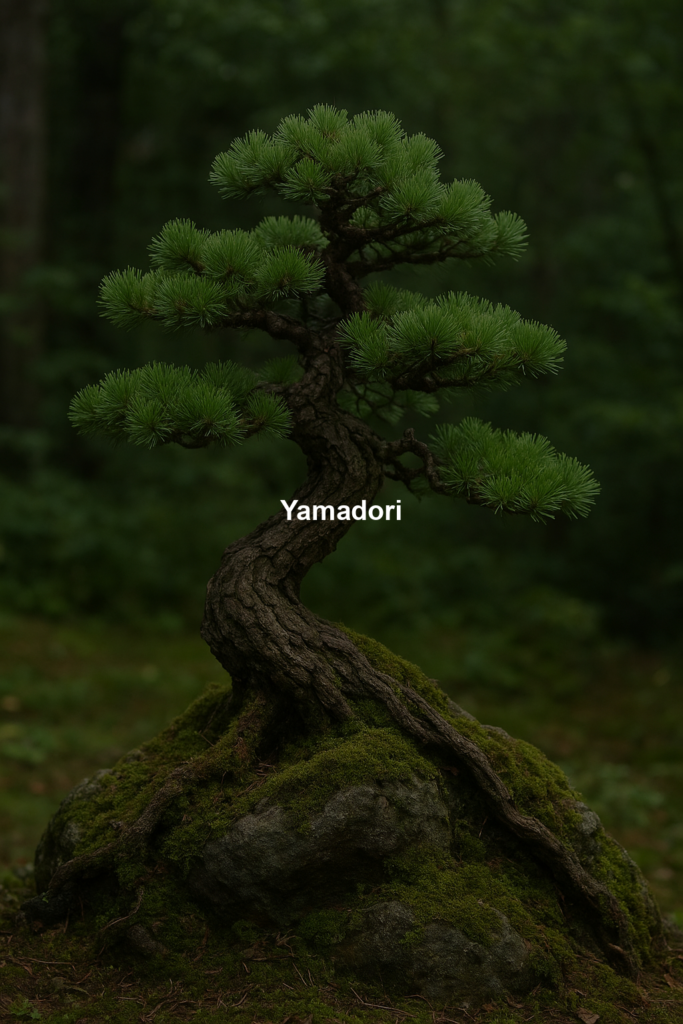
Yamadori, the art of transplanting mature trees from their natural setting into cultivated landscapes, demands a nuanced blend of arboricultural science and design sensitivity. Mastery of this practice enables designers to embed instantly mature focal points, enriching spatial hierarchy while preserving ecological integrity.
Key Takeaways
- Yamadori delivers instant stature, reducing growth lag in design schemes.
- Success hinges on timing, root ball integrity, and post‑transplant care.
- Species selection must align with micro‑climate, soil, and long‑term design intent.
Understanding the Importance of Yamadori
The visual impact of a fully matured specimen cannot be replicated by juvenile stock, even with accelerated growth regimes. Incorporating Yamadori specimens accelerates the maturation of a garden narrative, allowing clients to experience seasonal rhythms from day one. Moreover, mature trees contribute immediate ecosystem services—carbon sequestration, habitat provision, and micro‑climate moderation—enhancing the sustainability quotient of any interior‑garden interface.
From a design perspective, Yamadori offers structural anchors that define sightlines, frame vistas, and articulate zones without the uncertainty of future growth patterns. This predictability is invaluable in high‑value residential projects where spatial choreography must be locked in early.
Expert Tips for Yamadori
Timing is paramount; the optimal window typically falls during dormancy, when sap flow ceases and the tree’s physiological demand for water is minimal. Prior to extraction, a thorough root excavation should preserve a minimum root ball radius of 10–15 % of the tree’s height, ensuring sufficient carbohydrate reserves.
After removal, the root ball must be wrapped in breathable burlap, kept moist, and shaded to mitigate desiccation. Planting depth should match the original soil line; any deviation risks girdling or crown stress. Finally, a regimented watering schedule—incrementally decreasing over six weeks—facilitates gradual acclimatization.
Yamadori
Species Selection Criteria
A rigorous assessment of native range, drought tolerance, and pest susceptibility guides species choice. Deciduous maples (Acer spp.) excel in temperate interiors, offering dramatic foliage while tolerating modest root disturbance. Evergreen conifers such as Japanese black pine (Pinus thunbergii) provide year‑round structure but demand careful root pruning to avoid shock.
Soil Preparation Protocols
Prior to planting, conduct a soil texture analysis to match the tree’s natural substrate. Amend heavy clay with coarse organic matter and sand to improve drainage, while maintaining pH within the species‑specific optimum (typically 5.5–6.5 for most broadleaf trees). Install a permeable barrier around the planting pit to restrict root spread and preserve the intended form.
Transplant Technique Steps
- Delimit the root ball using a sharp spade, maintaining a uniform depth.
- Sever lateral roots no longer than 2 cm in diameter, preserving the primary taproot where possible.
- Lift the tree with a hydraulic winch, ensuring the root ball remains intact.
- Position the specimen in the prepared pit, backfill with a loam‑sand mix, and tamp gently to eliminate voids.
Post‑Transplant Care Regimen
Implement a mulching layer 5–8 cm thick, extending to the drip line but avoiding direct contact with the trunk. Install a temporary support stake to limit wind sway for the first 12–18 months. Monitor for signs of transplant shock—wilting, leaf discoloration, or premature leaf drop—and adjust irrigation accordingly.
Yamadori
Case Study: Urban Loft Courtyard
A 12‑foot Japanese maple was sourced from a municipal park and introduced into a compact courtyard. By adhering to a 14‑day dormant extraction schedule and employing a custom‑fabricated root ball cradle, the tree established within eight weeks, delivering a focal point that balanced the adjacent glass façade.
Case Study: Heritage Villa Restoration
An ancient cedar (Cryptomeria japonica) threatened by development was relocated to a heritage villa’s front garden. The tree’s extensive shallow root system required a specialized air‑pruning technique, preserving 85 % of fine roots. The successful move retained the tree’s historic value while enhancing the property’s cultural narrative.
Case Study: Commercial Atrium Integration
A mature olive tree (Olea europaea) was incorporated into a climate‑controlled atrium, providing both aesthetic allure and functional shading. The controlled environment eliminated seasonal stress, allowing the tree to thrive with minimal supplemental watering, showcasing Yamadori’s adaptability to indoor‑outdoor hybrid spaces.
FAQ
What is the ideal season for performing Yamadori?
The dormant period, typically late autumn to early spring, minimizes sap loss and reduces transpiration stress. In regions with mild winters, late winter is preferred to allow early spring establishment before peak growth demand.
How large should the root ball be for a 10‑foot tree?
A rule of thumb dictates a root ball radius equal to 10–15 % of the tree’s total height. For a 10‑foot (≈3 m) specimen, this translates to a root ball diameter of 1–1.5 feet (30–45 cm) and a depth of approximately 2 feet (60 cm).
Can Yamadori be applied to coniferous species?
Yes, though conifers possess sensitive root systems and may require additional root pruning and pre‑planting hormone treatments to mitigate shock. Selecting species with naturally shallow roots, such as pines and spruces, enhances success rates.
What are the most common signs of transplant shock?
Visible symptoms include wilting despite adequate soil moisture, chlorotic or bronze‑tinged foliage, premature leaf drop, and a noticeable decline in new growth. Early detection allows for rapid intervention through adjusted irrigation and protective shading.
How long does it take for a Yamadori tree to fully integrate into its new site?
Full integration, defined by stable growth and the absence of stress symptoms, generally occurs within 2–3 growing seasons. However, aesthetic maturity may be evident within the first year, depending on species vigor and care regimen.