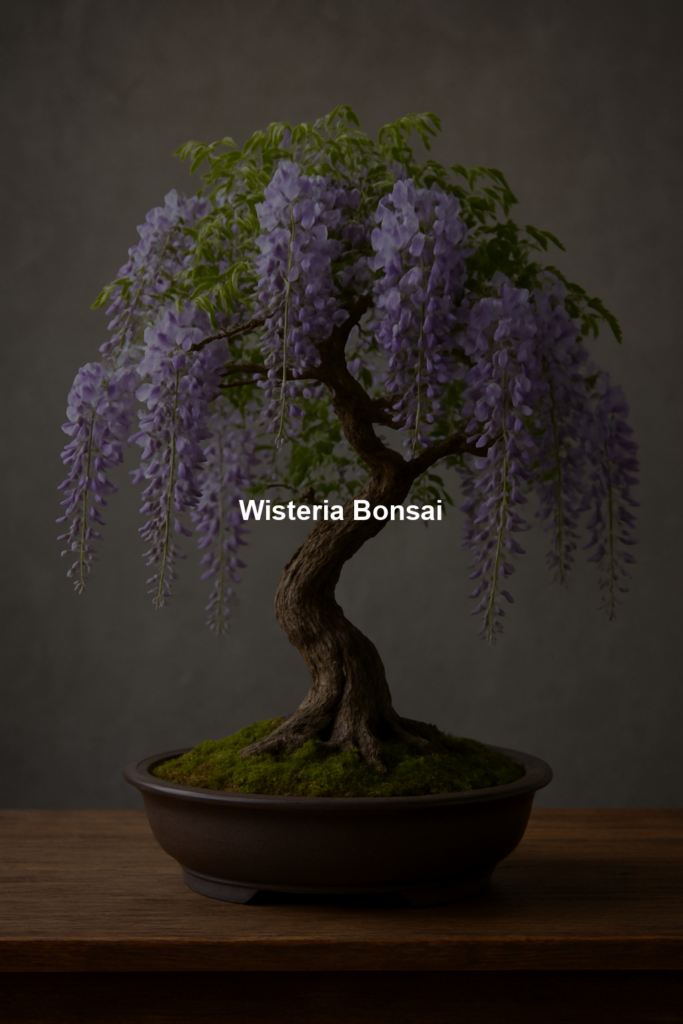
Wisteria Bonsai merges the sprawling elegance of Wisteria vines with the disciplined form of bonsai art, demanding both horticultural precision and aesthetic sensitivity.
Key Takeaways
- Choose a hardy Wisteria cultivar with compact growth habit.
- Employ a well‑draining, organic‑rich substrate to balance moisture.
- Prune aggressively during dormancy to maintain structural integrity.
- Provide bright, filtered light and consistent humidity for optimal bloom.
- Monitor for pests and diseases, intervening early to protect the miniature.
Understanding the Importance of Wisteria Bonsai
Wisteria Bonsai occupies a unique niche in miniature horticulture, offering cascading floral displays uncommon among traditional woody bonsai species. Its fragrant pendulous racemes create a focal point that transforms interior spaces into living art installations.
Historically, Wisteria has been celebrated in East Asian gardens for its poetic symbolism of love and longevity. Translating this grandeur into a bonsai context amplifies the emotional resonance while preserving the plant’s vigor through careful root confinement.
From a design perspective, the vine’s natural tendency to climb and drape provides a dynamic element that challenges the static expectations of indoor bonsai. Mastery of this species signals a horticulturist’s ability to balance vigor with restraint.
Expert Tips for Wisteria Bonsai
Selecting the Right Clone
Opt for cultivars such as Wisteria floribunda ‘Macrobotrys’ or Wisteria sinensis ‘Alba’ that exhibit slower internodal elongation. These clones retain the species’ aromatic blooms while adapting more readily to pot constraints.
Soil Composition
A substrate blend of 40 % fine pine bark, 30 % loamy garden soil, and 30 % perlite creates the necessary aeration and moisture retention. Incorporate a modest dose of well‑composted leaf mould to supply organic nutrients without fostering waterlogging.
Water Management
Maintain consistent soil moisture, allowing the top centimeter to dry between watering cycles. Over‑irrigation encourages root rot, while drought stress impairs flower formation. Employ a moisture meter to ensure objective assessment.
Light Requirements
Position the bonsai near an east‑facing window to capture gentle morning sun while shielding it from harsh afternoon rays. A light intensity of 10 – 12 klux encourages healthy foliage and prolific flowering without inducing photobleaching.
Temperature and Humidity
Ideal daytime temperatures range from 18 °C to 24 °C, with night lows not dropping below 10 °C. Relative humidity of 55 % – 70 % mimics the plant’s native temperate forests and supports optimal bud development.
Cultivation Fundamentals
Light Requirements
Morning light stimulates chlorophyll production, whereas excessive midday exposure can scorch tender foliage. Employ sheer curtains or a north‑facing screen during peak summer hours to modulate intensity.
Temperature & Humidity
Seasonal acclimatization is critical; reduce watering by 20 % as temperatures decline to prevent root stress. In dry indoor environments, a pebble tray with distilled water can augment ambient humidity without fostering fungal growth.
Fertilization Schedule
Apply a balanced 10‑10‑10 fertilizer at one‑quarter strength bi‑monthly during the active growth period (April – September). Transition to a low‑nitrogen bloom booster (e.g., 5‑10‑15) in late summer to encourage raceme formation.
Pruning and Training Techniques
Primary Leader Development
Select a single, upward‑growing stem as the primary leader within the first year. Secure it with a soft tie to a sturdy stake, encouraging vertical dominance and preventing competing lateral growth.
Lateral Branch Management
Shorten lateral shoots to 1–2 cm beyond the node to stimulate leaf cluster formation while limiting excessive ramification. This practice preserves the iconic “umbrella” silhouette characteristic of mature Wisteria bonsai.
Seasonal Pruning Calendar
- Dormant (December – February): Remove dead wood, shorten long canes, and shape the canopy.
- Early Spring (March – April): Conduct formative cuts to stimulate new shoots.
- Post‑Bloom (June – July): Pinch back terminal buds to encourage secondary branches.
- Late Summer (August): Light trim to maintain proportion before the next growth cycle.
Indoor Display and Styling
Container Selection
Choose shallow, breathable pots made of unglazed terracotta or glazed ceramic with ample drainage holes. A 12‑inch diameter vessel permits root expansion while preserving the diminutive aesthetic required for indoor settings.
Positioning for Bloom
Mount the bonsai on a tiered stand to allow vines to cascade freely. Align the display so that hanging racemes are visible at eye level, maximizing visual impact and aromatic exposure.
Complementary Plant Pairings
Pair Wisteria bonsai with low‑lying foliage such as Asplenium ferns or dwarf Spathiphyllum to create a layered tableau. The contrasting textures enhance depth without competing for light.
Pest and Disease Management
Common Pests
Aphids and spider mites are frequent invaders in indoor environments. Implement regular leaf inspections and apply a mild neem oil spray bi‑weekly during infestation peaks.
Fungal Concerns
Powdery mildew may develop on dense canopies under stagnant air. Increase airflow with a small oscillating fan and prune overlapping foliage to improve ventilation.
Integrated Management
Adopt a cultural‑first approach: maintain optimal watering, provide adequate light, and ensure clean tools. Chemical interventions should remain a last resort, applied according to label instructions to protect the delicate bonsai form.
Propagation and Regeneration
Cuttings
Take semi‑hardwood cuttings in late summer, 8–10 cm in length, and root them in a 1:1 mix of peat moss and perlite. Maintain high humidity and bottom heat of 22 °C for two weeks to encourage root emergence.
Air Layering
Select a healthy, 2‑year‑old branch and create a 2‑cm bark ring removal. Encase the girdled segment in moist sphagnum moss, wrap with plastic, and monitor for callus formation before severing and potting.
Grafting Options
Grafting onto a robust Wisteria rootstock can rejuvenate an aging bonsai with compromised root systems. Execute a whip‑and‑tongue graft in early spring, ensuring cambial alignment for successful vascular integration.
Longevity and Mature Care
Structural Support
As the bonsai matures, install a discreet stainless‑steel wire frame to reinforce the primary leader and prevent breakage during heavy bloom loads. Anchor the frame within the potting medium to maintain stability.
Rejuvenation Practices
Every five to seven years, perform a “root prune” by gently removing one‑third of the root mass and repotting in fresh substrate. Simultaneously, trim back the canopy to a balanced proportion to stimulate renewed vigor.
FAQ
How often should I water my Wisteria Bonsai during the growing season?
Watering frequency depends on ambient conditions and substrate composition. In a warm, dry interior, aim for a thorough soak every 2–3 days, allowing the top centimetre of soil to dry before the next watering. Adjust intervals during cooler months to prevent waterlogging, which can lead to root rot.
What is the ideal pot size for a mature Wisteria Bonsai?
A mature indoor bonsai typically thrives in a pot ranging from 10 to 12 inches in diameter with a depth of 6–8 inches. This size accommodates an established root ball while preserving the miniature visual scale. Oversized containers diminish the bonsai’s proportional harmony.
Can I train a Wisteria Bonsai to bloom year-round?
While Wisteria has a natural dormancy period that limits flowering to late spring and early summer, strategic pruning and supplemental lighting can extend the bloom window modestly. However, forcing continuous bloom may exhaust the plant’s energy reserves and reduce overall health.
What fertilization regimen supports both foliage growth and flower production?
During active growth (April‑September), apply a balanced 10‑10‑10 fertilizer at one‑quarter strength every six weeks. In late summer, switch to a low‑nitrogen, high‑phosphorus formulation (5‑10‑15) to shift the plant’s focus toward flower bud development.
How do I address a sudden loss of leaves on my Wisteria Bonsai?
Leaf drop often signals environmental stress such as low humidity, inadequate light, or temperature fluctuations. Verify that the bonsai receives at least 10 klux of filtered light, maintain humidity above 55 %, and avoid drafts. If pests are present, treat promptly with an appropriate insecticidal soap.
Is it safe to place a Wisteria Bonsai outdoors during winter?
Outdoor exposure is permissible only if temperatures remain above 5 °C and the plant is protected from wind and precipitation. In colder climates, a cold frame or unheated garage offers a compromise, allowing the bonsai to experience natural dormancy without frost damage.
What common mistakes should beginners avoid when starting a Wisteria Bonsai?
Beginners often over‑water, select unsuitable fast‑growing cultivars, and neglect seasonal pruning. Avoid using dense, water‑retentive soils, and resist the urge to let vines sprawl unchecked. Consistent training, proper substrate, and vigilant moisture control are essential for long‑term success.