White Mold On Plants is a pervasive symptom that signals underlying environmental imbalance, pathogenic activity, or cultural mismanagement. Recognizing its visual cues and physiological triggers enables swift remediation and safeguards the aesthetic integrity of cultivated spaces. This editorial dissects causation, diagnosis, and integrated control strategies for both indoor and outdoor specimens.
Key Takeaways
- Accurate identification distinguishes white fungal growth from mineral deposits or benign sap exudates.
- Proper air circulation, watering discipline, and substrate hygiene are foundational preventative measures.
- Targeted fungicidal regimes, combined with cultural adjustments, restore plant health without excessive chemical reliance.
- Regular monitoring reduces recurrence and preserves ornamental value across diverse plant families.
Understanding the Importance of White Mold On Plants
White Mold On Plants often originates from opportunistic saprophytic fungi that exploit excess moisture and organic debris. In controlled environments, such as terrariums or greenhouse benches, the pathogen can proliferate within minutes if humidity exceeds 80 % and airflow is stagnant. The resulting mycelial veil compromises photosynthetic efficiency by shading leaf surfaces and impeding gas exchange.
From a horticultural perspective, unchecked white mold compromises not only individual specimens but also the microecosystem of the growing area. Spore loads can travel via ventilation systems, settling on adjacent foliage and precipitating secondary infections. Moreover, the aesthetic blemish undermines consumer confidence in retail displays and erodes the visual coherence of interior garden installations.
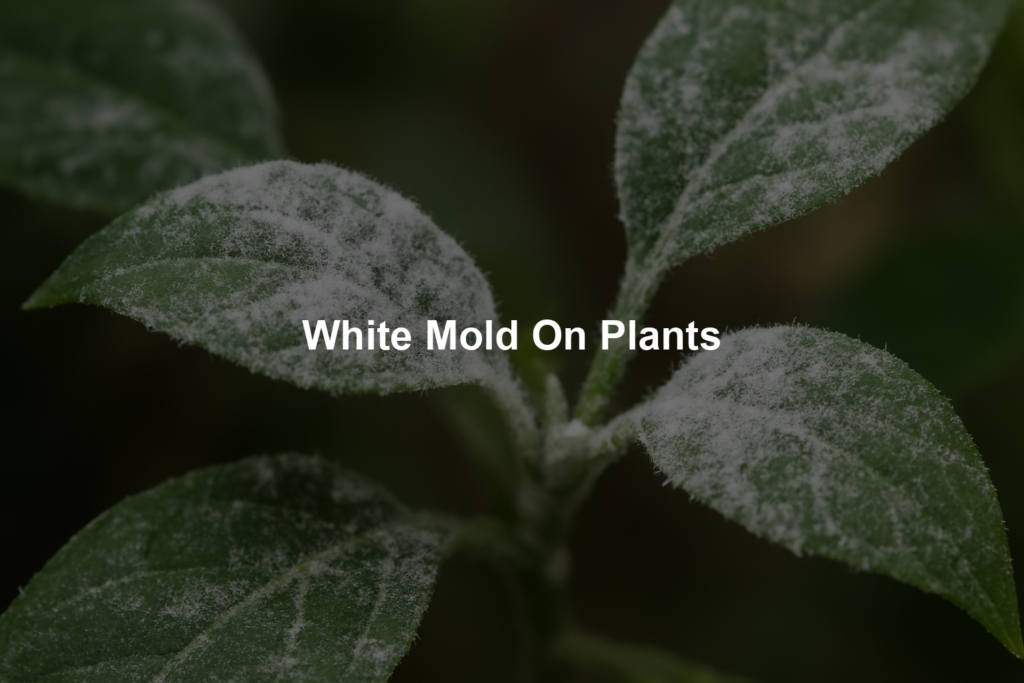
Diagnostically, white mold presents as powdery or cotton‑like growth on leaf undersides, petioles, and sometimes on the substrate surface. Microscopic examination reveals conidiophores of genera such as Sclerotinia, Botrytis, or Penicillium, each with distinct spore morphology. Culturing on selective media confirms species identity, guiding precise treatment selection.
Expert Tips for White Mold On Plants
Effective management begins with cultural precision. Water plants at the soil line, employing drip or bottom‑watering techniques to keep foliage dry. Trim and dispose of senescent leaves promptly; these act as nutrient reservoirs for fungal colonization. In high‑humidity zones, integrate passive dehumidifiers or HVAC adjustments to sustain relative humidity between 45 % and 60 % for most ornamental species.
Sanitation protocols extend beyond the immediate plant. Clean propagation trays, potting benches, and toolkits with a 10 % bleach solution or horticultural alcohol. Rotate containers weekly to expose all surfaces to sunlight, which possesses natural antifungal properties. Where feasible, utilize sterile, well‑draining substrates composed of peat‑free compost, perlite, and coarse bark.
Chemical interventions should be judicious. Systemic fungicides containing active ingredients like thiophanate‑methyl or fludioxonil provide lasting protection when applied at label‑recommended intervals. For organic alternatives, neem oil emulsions and potassium bicarbonate sprays disrupt spore germination without residual toxicity. Always conduct a small‑scale patch test to verify phytotoxic neutrality.
Environmental Diagnostics and Monitoring
Accurate environmental monitoring underpins long‑term disease suppression. Deploy hygrometers at plant canopy height to capture microclimatic variations. Log temperature, humidity, and ventilation rates daily; trends often reveal the precise moment when conditions become conducive to white mold development. Integrating data into a greenhouse management software enables predictive alerts and automated adjustments.
Light intensity also influences fungal dynamics. Many white mold species are photophobic, thriving in shaded niches. Ensure that each plant receives its species‑specific light quota, whether through natural daylight or calibrated LED fixtures. Adjust positioning to reduce leaf overlap, thereby minimizing micro‑shade pockets where spores may accumulate.
Pathogen Life Cycle Disruption
Disrupting the pathogen’s life cycle requires interrupting spore production, dispersal, and infection. Pruning infected tissue with sterilized shears removes the primary inoculum source. Following pruning, apply a copper‑based fungicide to the wound margins; copper ions destabilize fungal cell walls and inhibit hyphal extension.
Airflow augmentation physically carries spores away from susceptible tissues. Install oscillating fans at low speed to create laminar flow across plant rows without causing mechanical damage. In commercial settings, incorporate HEPA filtration within ventilation ducts to capture airborne conidia before they re‑settle.
Integrated Pest Management (IPM) Framework
White Mold On Plants fits seamlessly within an IPM framework that balances cultural, biological, and chemical controls. Introduce antagonistic microbes such as Trichoderma harzianum to the rhizosphere; these fungi outcompete pathogenic species for nutrients and secrete lytic enzymes. Monitor biocontrol efficacy through periodic plate counts and adjust inoculation rates accordingly.
When chemical control is unavoidable, select products with low residual activity and rotate active ingredients to prevent resistance buildup. Document each application, noting dosage, timing, and plant response. This record-keeping facilitates post‑treatment analysis and future decision-making.
Species‑Specific Considerations
Different ornamental families exhibit varying susceptibility to white mold. Succulents and cacti, with their thick cuticles, are less prone but may develop mold on rosette centers if water pools. Conversely, foliage‑dense tropicals such as philodendrons and ferns present ample surface area for colonization. Tailor cultural regimens to the physiological traits of each species; for instance, reduce watering frequency for epiphytic orchids while increasing airflow around shade‑loving begonias.
Edible indoor growers must also consider food safety. White mold on herbs such as basil or mint may produce mycotoxins unsuitable for consumption. Implement stricter hygiene standards, including weekly substrate sterilization and post‑harvest washing with food‑grade disinfectants.
Long‑Term Preventive Strategies
Sustainable prevention hinges on designing growing environments that inherently deter fungal proliferation. Employ porous potting mixes that facilitate rapid water drainage, and select containers with adequate drainage holes. Incorporate landscape elements like pebble mulch or charcoal layers to absorb excess moisture at the base of pots.
Seasonal transitions demand heightened vigilance. As ambient humidity rises in spring, pre‑emptively adjust watering schedules and increase fan operation. Conversely, during winter dry periods, temper over‑ventilation to avoid excessive desiccation, which can stress plants and predispose them to opportunistic infections.
FAQ
What are the first visual signs of White Mold On Plants?
Initial signs include a fine, powdery coating on leaf undersides, often accompanied by a subtle velvety texture on stems. As the fungus advances, clusters of white mycelium may appear on the soil surface or potting mix. Early detection permits localized treatment before systemic spread.
How does over‑watering contribute to White Mold On Plants?
Excess water creates a persistently moist leaf surface and saturated substrate, both of which provide the humidity levels essential for spore germination. Water droplets also act as vectors, dispersing spores across foliage during runoff. Reducing watering frequency and allowing the top inch of soil to dry mitigates this risk.
Can I use household bleach to treat White Mold On Plants?
A diluted bleach solution (approximately 10 % household bleach mixed with water) is effective for sanitizing tools, pots, and propagation media, but it should never be applied directly to plant tissue. Contact with bleach can cause phytotoxic damage, leaf necrosis, and root injury.
Are there any beneficial microbes that suppress White Mold On Plants?
Yes, species such as Trichoderma harzianum and Bacillus subtilis antagonize mold pathogens through competition and enzymatic degradation. Introducing these biocontrol agents into the substrate or as foliar sprays enhances the plant’s microbial defense network.
How often should I inspect my indoor garden for White Mold On Plants?
A routine inspection schedule of once per week is advisable, with additional checks after any significant changes in humidity, temperature, or watering practices. Prompt identification of early mold development reduces the need for intensive interventions.