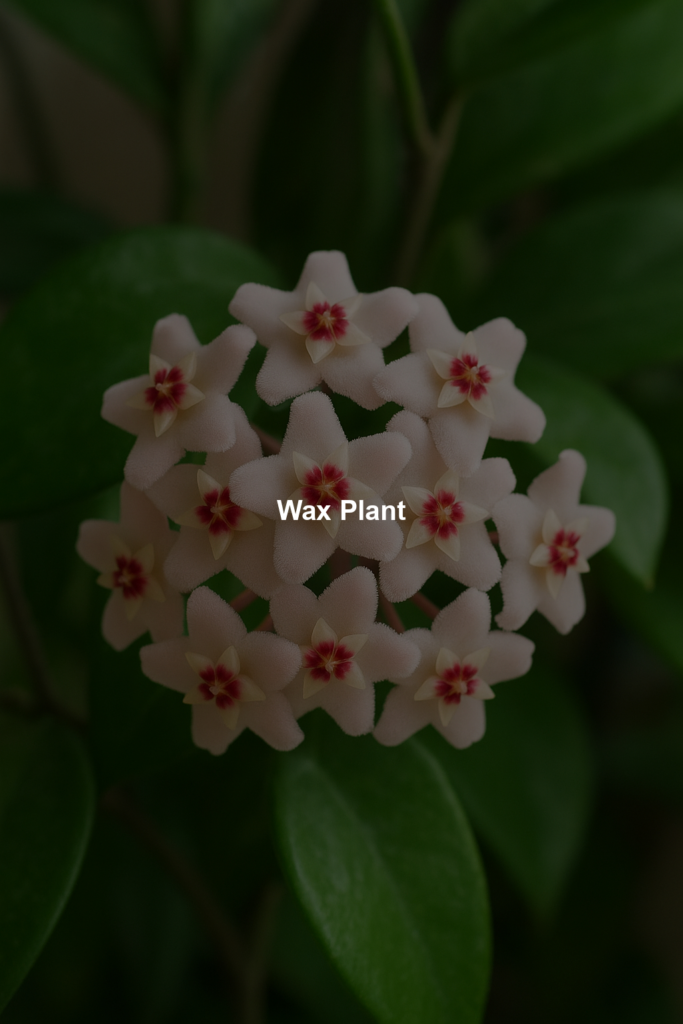
The Wax Plant (Hoya carnosa) has earned a reputation among interior gardeners for its glossy foliage and aromatic, star‑shaped blossoms. Its low‑maintenance nature and adaptability to a range of light conditions make it a staple in both professional collections and residential spaces. Understanding its physiological needs is essential for achieving healthy growth and maximizing its decorative impact.
Key Takeaways
- Wax Plant thrives in bright, indirect light but tolerates moderate shade.
- Well‑draining substrate and reduced watering prevent root rot.
- Propagation by stem cutting accelerates collection expansion.
- Regular feeding during active growth supports abundant bloom clusters.
- Pests are manageable with early detection and targeted treatment.
Understanding the Importance of Wax Plant
The Wax Plant contributes aesthetic value through its thick, leathery leaves that reflect illumination, enhancing spatial perception in interior design. Moreover, its waxy flowers produce a subtle fragrance that can improve indoor ambience. For horticulturists, the plant serves as a model species for studying succulence, CAM photosynthesis, and epiphytic adaptation.
Expert Tips for Wax Plant
Adopt a disciplined watering schedule: allow the top 2‑3 cm of the growing medium to dry before rewatering. Use a mix of orchid bark, perlite, and peat to ensure aeration while retaining sufficient moisture. When fertilizing, choose a balanced, water‑soluble formulation at one‑quarter strength during spring and summer, reducing frequency in autumn and winter.
Wax Plant Overview
Morphology and Growth Habit
Hoya carnosa displays vines that can reach 2–3 m in length when supported. Leaves are ovate to lanceolate, measuring 5–15 cm, with a glossy surface that reduces transpiration. The plant produces inflorescences of 5–10 cm, each bearing 5‑10 star‑shaped corollas, which transition from pale pink to deep burgundy as they mature.
Light Requirements
Optimal illumination is bright, filtered light akin to an east‑facing window. Direct midday sun may scorch the foliage, whereas low‑light environments slow growth and limit flowering. Position the plant where it receives 4–6 hours of indirect light daily for vigorous development.
Temperature and Humidity
Wax Plant prefers temperatures between 18 °C and 27 °C. It tolerates short periods down to 10 °C but prolonged exposure to cold can damage leaf tissue. Relative humidity of 50–70 % mirrors its native tropical habitat; a tabletop humidifier or pebble tray can maintain adequate moisture during dry indoor periods.
Wax Plant Care
Watering Protocol
Water thoroughly until excess drains from the pot’s bottom holes. In winter, reduce frequency to once every 2–3 weeks, ensuring the substrate remains slightly moist but never saturated. Overwatering is the most common cause of foliar yellowing and root rot.
Soil Composition
A well‑draining medium prevents water accumulation around the rhizomes. A recommended blend includes 40 % orchid bark, 30 % coarse peat, and 30 % perlite. Periodically repot every 2–3 years to refresh the substrate and accommodate root expansion.
Fertilization Schedule
Apply a balanced N‑P‑K fertilizer (20‑20‑20) diluted to 25 % of the label strength during the active growth phase (spring through early autumn). Avoid fertilizing in late autumn and winter when metabolic activity declines, as excess nutrients may promote soft, weak growth.
Pruning and Training
Trim leggy stems to encourage bushier habit and improve light penetration. Use clean, sharp scissors to make cuts just above a node. Supporting vines with a moss pole or trellis mimics their natural epiphytic environment, promoting upward growth and larger leaf development.
Wax Plant Propagation
Stem Cutting Method
Select a healthy stem with at least two nodes. Remove the lower leaf pair, dip the cut end in a 3 % rooting hormone, and insert into a moist, sterile mix of peat and perlite. Maintain high humidity and indirect light; roots typically emerge within 4–6 weeks.
Leaf Cutting Technique
Although less common, leaf propagation is possible for Hoya species with robust leaf tissue. Excise a full‑size leaf with a thin portion of petiole, treat with rooting hormone, and place on a damp sphagnum pad. Keep the medium moist and protect from direct sun until micro‑roots develop.
Division of Mature Plants
When a plant becomes top‑heavy, gently remove it from its container, rinse the root ball, and separate clumps with a clean knife. Replant each division in an appropriate substrate, ensuring each has 2–3 healthy shoots and an intact root system.
Wax Plant Pests and Diseases
Common Insect Pests
Aphids, mealybugs, and spider mites frequently infest indoor Hoya specimens. Inspect leaves weekly, focusing on leaf axils and undersides. Treat infestations with insecticidal soap or neem oil, applying a thorough coating to all plant surfaces.
Fungal and Bacterial Issues
Root rot, caused by Pythium spp., results from overwatering and poor drainage. Early signs include soft, brown roots and wilting despite adequate moisture. Remove affected roots, repot in fresh substrate, and adjust watering practices. Leaf spot diseases appear as small, necrotic lesions; improve air circulation to reduce humidity hotspots.
Wax Plant in Interior Design
Styling with Vertical Gardens
Mounting a Wax Plant on a living wall adds texture and depth, while its trailing habit creates a sense of movement. Pair with ferns and air‑purifying species for a layered, biophilic composition that enhances indoor well‑being.
Complementary Color Schemes
The plant’s deep green leaves harmonize with neutral palettes such as slate gray, warm beige, or muted terracotta. Its pink‑toned blossoms provide subtle accent color when displayed near soft furnishings, adding visual interest without overwhelming the space.
Placement in Commercial Settings
Retail boutiques and boutique hotels utilize Wax Plants to convey elegance and sustainability. Their low light tolerance allows placement in hallway corridors and reception areas, where they contribute to a curated aesthetic while requiring minimal maintenance.
FAQ
How often should I water my Wax Plant?
Water when the top 2–3 cm of the growing medium feels dry to the touch. In warmer months, this typically translates to once a week; during cooler periods, extend the interval to two or three weeks. Always ensure excess water drains freely to avoid root saturation.
Can Wax Plant survive in direct sunlight?
Direct, intense sunlight can scorch the glossy leaves, resulting in brown margins. The plant thrives in bright, indirect light; an east‑facing window with sheer curtains provides optimal conditions. If placed in a south‑facing position, filter the light with a sheer panel.
What fertilizer is best for promoting blooms?
A balanced, water‑soluble fertilizer with an N‑P‑K ratio of 20‑20‑20, diluted to one‑quarter strength, supports both vegetative growth and flowering. Apply during the active growth phase (spring to early autumn) every four weeks. A phosphorus‑rich formula can be introduced when buds appear to enhance bloom intensity.
Is it possible to grow Wax Plant outdoors?
In USDA hardiness zones 9–11, Wax Plant can be cultivated outdoors in shaded patios or undertree canopies where temperatures remain above 10 °C year‑round. Provide well‑draining soil and protect from heavy rains, which can cause root rot. In cooler zones, treat it as an indoor specimen.
How do I encourage my Wax Plant to produce more flowers?
Ensure ample bright, indirect light, consistent watering, and regular feeding during the growth season. Prune back long vines to stimulate lateral bud development, and avoid excessive nitrogen fertilizer, which promotes leaf growth at the expense of blooms. A brief, cooler nighttime period can also trigger flowering in some cultivars.
What signs indicate a pest infestation?
Early indicators include sticky residues, distorted leaf edges, and the presence of tiny insects on leaf surfaces. Mealybugs appear as cottony white masses, while spider mites leave fine webbing. Conduct routine inspections and treat promptly with insecticidal soap or neem oil.
Can I propagate Wax Plant from a single leaf?
Leaf propagation is possible but less reliable than stem cuttings. Select a mature leaf with a short petiole, treat the cut end with rooting hormone, and place on a moist medium such as sphagnum moss. Maintain high humidity and indirect light; roots may develop in 6–8 weeks, though success rates vary.