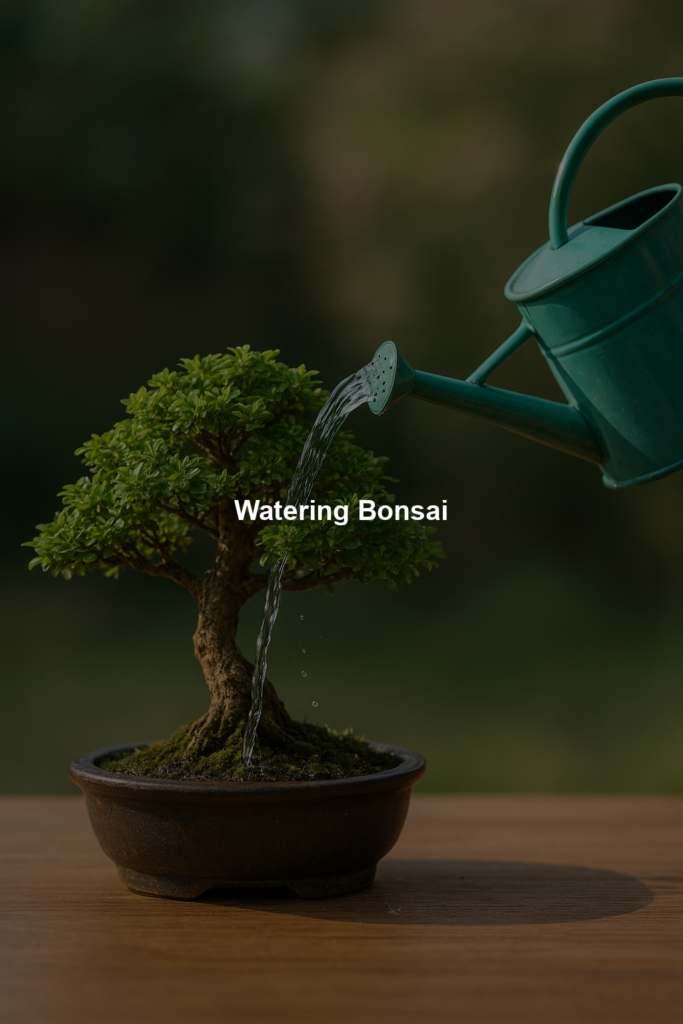
Watering Bonsai is a foundational skill that separates a thriving specimen from a stunted one. The miniature nature of bonsai amplifies the impact of each water droplet, demanding precise judgment, timing, and technique. Understanding the physiological needs of your tree ensures that the delicate balance of root, soil, and atmosphere remains harmonious throughout the year.
Key Takeaways
- Consistent moisture without saturation is essential for healthy root development.
- Seasonal adjustments in frequency and volume prevent stress during growth and dormancy.
- Water quality, temperature, and delivery method influence nutrient uptake and leaf vigor.
- Visual cues and moisture meters together provide reliable watering decisions.
- Integrating watering into a broader cultural schedule maximizes overall bonsai health.
Understanding the Importance of Watering Bonsai
Bonsai trees are cultivated in shallow containers, which limit the soil’s capacity to store water. Consequently, the root zone dries more rapidly than in full‑size trees, making regular irrigation a critical cultural practice. Proper watering sustains photosynthetic activity, facilitates nutrient transport, and prevents root desiccation that can lead to irreversible decline.
The act of watering also affects the micro‑environment within the pot. Over‑watering creates anaerobic conditions, fostering fungal growth, while under‑watering induces hydraulic stress, causing leaf curl and diminished vigor. Mastery of Watering Bonsai therefore hinges on recognizing subtle environmental cues and responding with calibrated irrigation.
Expert Tips for Watering Bonsai
Begin each watering session by observing the soil surface; a dry, cracked layer signals the need for water, while a glossy sheen suggests sufficient moisture. Immerse the pot in a basin of water until bubbles cease, ensuring thorough saturation of the root ball. Adjust the volume to match the pot’s size—larger containers require a deeper soak, whereas miniature pots need only a gentle thorough wetting.
Timing is equally critical. Early morning irrigation allows excess moisture to evaporate before evening, reducing the risk of fungal infection. During periods of rapid growth, increase frequency but monitor for signs of leaching, which can deplete essential nutrients. Conversely, in winter dormancy, reduce watering to prevent root rot while still maintaining minimal moisture.
Soil Composition and Drainage
Choosing an appropriate substrate is paramount because it directly influences water retention and aeration. A balanced mix of Akadama, pumice, and lava rock offers excellent drainage while holding enough moisture for sustained uptake.
Selecting the Right Substrate
Combine coarse inorganic components to create macropores for rapid drainage, paired with finer particles that retain moisture at the root level. Adjust ratios according to species; moisture‑loving varieties thrive in mixes with higher water‑holding capacity, whereas drought‑tolerant species prefer gritty blends.
Testing Moisture Retention
Place a handful of dry soil in a clear container, add a measured amount of water, and observe the absorption curve. The time taken for water to percolate indicates the mix’s drainage efficiency. Ideal substrates allow water to infiltrate within seconds, then hold a thin film of moisture for several hours.
Seasonal Watering Strategies
Each growth phase demands a distinct watering regime. Aligning irrigation with the tree’s phenology prevents stress and encourages optimal development.
Spring Growth Surge
As buds break, increase watering frequency to accommodate rapid cell expansion. Use lukewarm water to stimulate root metabolism, and consider a light foliar mist to raise ambient humidity around the foliage.
Summer Drought Management
High temperatures accelerate evaporation; water deeply in the early morning and, if necessary, provide a secondary short soak in the late afternoon. Shade the bonsai during peak heat to reduce transpiration losses.
Autumn Transition
Gradually taper watering as the tree prepares for dormancy. Monitor soil moisture closely; a slight dryness signals the appropriate reduction without triggering premature leaf drop.
Winter Dormancy
In cool climates, most bonsai enter a dormant state where water demand plummets. Water only when the soil feels dry to the touch, avoiding excess that could lead to root decay. Maintain ambient temperatures above freezing to preserve root vitality.
Water Quality and Temperature
The chemistry of the water used influences nutrient availability and root health. Tap water with high chlorine or hard minerals can accumulate salts in the soil, impairing root function. Employ rainwater, filtered water, or let tap water sit for 24 hours to dissipate chlorine. Aim for a temperature range of 15 °C–22 °C (59 °F–72 °F) to avoid thermal shock to the roots.
Tools of the Trade
Professional growers rely on a limited set of precision tools. A fine‑spouted watering can provides controlled flow, minimizing soil disturbance. Moisture meters with calibrated probes offer objective data, while a soak‑tray enables complete root saturation without risking splashing. Use a curved trowel to gently loosen compacted soil before irrigation, promoting even moisture distribution.
Diagnosing Water Stress
Recognizing the early signs of improper watering prevents long‑term damage. Observe leaf morphology, trunk texture, and soil condition to differentiate between under‑ and over‑watering.
Symptoms of Under‑watering
Leaves may exhibit crisp edges, a dull yellow hue, or a gradual wilting despite a seemingly firm soil surface. Stems can become brittle, and new growth may be stunted or absent.
Symptoms of Over‑watering
Darkened, soggy soil often emits a faint odor, while leaves turn glossy and may develop brown tips. Root rot manifests as a mushy, foul‑smelling root mass, and the trunk may show soft, discolored patches.
Root Health and Aeration
Healthy roots require both moisture and oxygen. Overly compacted soil restricts airflow, leading to anaerobic pockets. Periodically loosen the top layer of substrate with a gentle rake, and incorporate a coarse amendment to restore porosity. When repotting, prune excess roots judiciously to stimulate new growth and improve water uptake efficiency.
Integrated Watering Schedules
Develop a weekly watering calendar that accounts for species, pot size, season, and local climate. Pair this schedule with routine inspections of soil moisture, leaf condition, and environmental humidity. Record observations in a cultivation log to refine the regimen over successive growth cycles.
FAQ
How often should I water my bonsai during the peak growing season?
During active growth, most bonsai require watering once daily or every other day, depending on temperature, humidity, and soil composition. The guiding principle is to water when the surface soil begins to dry while ensuring the entire root ball becomes saturated.
What is the best method to test soil moisture without a meter?
Insert a clean wooden stick or bamboo skewer into the soil to a depth of about two centimeters. If it emerges with damp soil adhering, moisture is adequate. If the stick is dry, the bonsai needs immediate watering. Consistency in this tactile method provides reliable feedback.
Can I use tap water for my indoor bonsai?
Tap water can be used if it is left uncovered for 24 hours to allow chlorine to evaporate and if the hardness is moderate. For areas with high mineral content, consider using filtered or rainwater to prevent salt buildup that can impede nutrient absorption.
Why does my bonsai develop yellow leaves after watering?
Yellowing can indicate either over‑watering, which creates oxygen‑deficient root zones, or a sudden change in water temperature causing stress. Evaluate soil drainage, reduce watering frequency if the soil remains wet, and ensure water temperature aligns with ambient conditions.
How do I adjust watering for a bonsai kept outdoors in a windy location?
Wind accelerates evaporation, requiring more frequent, possibly lighter watering sessions. Early‑morning irrigation reduces water loss while protecting the tree from afternoon heat. Employ a windbreak or temporary shelter to moderate drying effects during extreme breezes.
Is it advisable to mist the foliage of a bonsai in addition to watering the soil?
Misting can raise local humidity and benefit species that thrive in moist air, but it should not replace soil watering. Use misting sparingly, preferably in the early morning, to avoid prolonged leaf wetness that encourages fungal disease.
What signs indicate that my bonsai’s roots have become water‑logged?
Excessively dark, foul‑smelling soil, soft or mushy roots, and wilting despite a moist substrate are classic indicators of water‑logging. Immediate corrective action includes repotting in a well‑draining mix and reducing subsequent watering frequency.