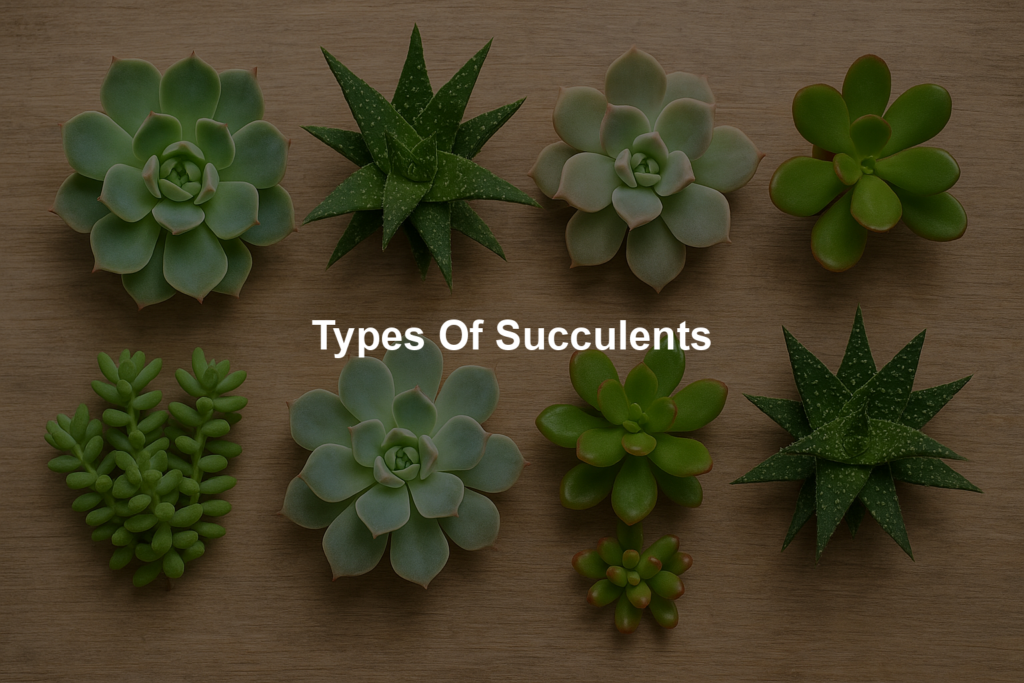
Types Of Succulents represent a diverse botanical group adapted to arid conditions, yet prized for their sculptural foliage and low‑maintenance appeal in modern interiors and landscapes. Their physiological adaptations, such as CAM photosynthesis and water‑storage tissues, enable remarkable resilience while providing designers with a palette of textures and colors.
Key Takeaways
- Succulents are classified by growth habit, leaf structure, and stem morphology.
- Proper soil mix and watering schedule are critical to prevent root rot.
- Light intensity dictates coloration and compactness of many species.
- Propagation can be achieved through leaf, stem, and seed methods.
- Integration with hardscape elements creates sustainable interior installations.
Understanding the Importance of Types Of Succulents
Professional horticulture acknowledges that the selection of specific Types Of Succulents influences microclimate regulation, indoor air quality, and aesthetic balance. Rosette‑forming species such as Echeveria and Sempervivum provide focal points, while columnar varieties like Aloidendron establish vertical interest. Their capacity to store water reduces irrigation frequency, aligning with water‑conservation initiatives.
Expert Tips for Types Of Succulents
When curating a collection, assess the ambient light, temperature fluctuations, and ventilation. Consistent yet moderate watering—allowing the medium to dry between applications—mitigates the risk of fungal infection. Incorporate a mineral‑rich, well‑draining substrate composed of coarse sand, perlite, and peat to emulate their native lithophyte or saxicolous habitats.
Classification of Popular Types Of Succulents
Rosette‑Forming Succulents
These species develop a compact, circular leaf arrangement that maximizes light capture while minimizing surface exposure. Echeveria, Graptopetalum, and Sedum exhibit pigment shifts under intense sunlight, ranging from soft pastel hues to deep magentas.
Columnar and Tree‑Like Succulents
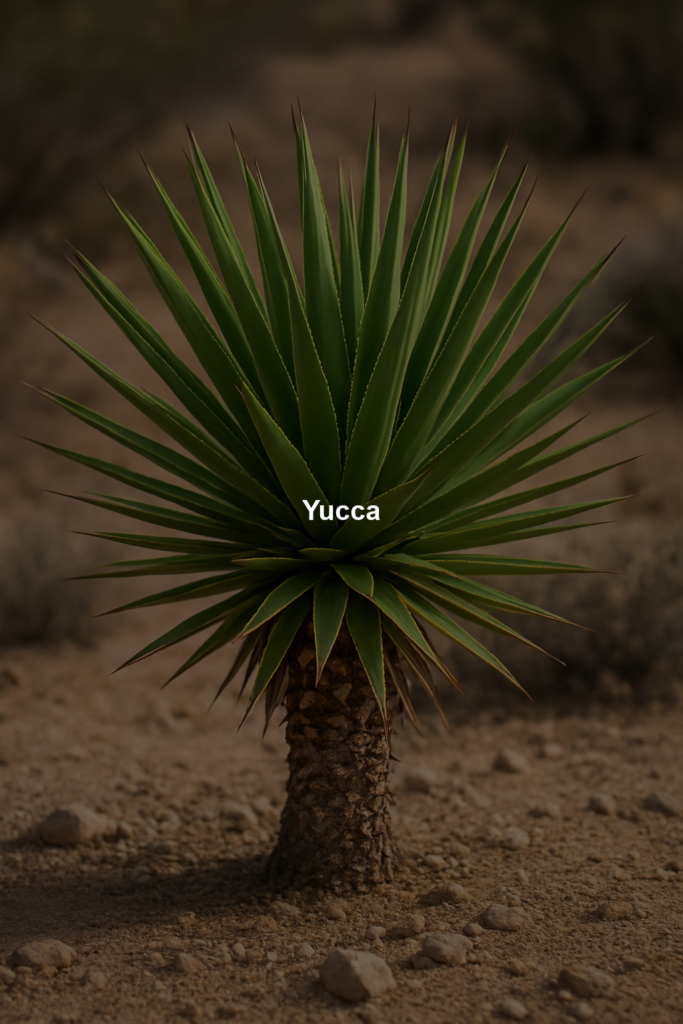
Vertical growth habit characterizes genera such as Aloe, Pachypodium, and Cereus. Their towering stems function as water reservoirs, permitting placement in recessed corners where vertical emphasis is desired.
Leaf‑Succulent Groundcovers
Low‑lying taxa like Stonecrop (Sedum spp.) spread via stolons, forming dense mats that suppress weeds and stabilize soil. Their tolerance for marginal soils makes them optimal for patio borders and balcony planters.
Stem‑Succulent Herbs
Genera such as Kalanchoe and Crassula produce fleshy stems with reduced leaf surface area. These plants thrive in bright, indirect light and are frequently employed in mixed container designs.
Soil, Light, and Water Requirements
Soil Composition
A substrate with a 2:1 ratio of coarse grit to organic compost ensures aeration while retaining sufficient moisture. Adding zeolite improves nutrient exchange, particularly for calcium‑sensitive species.
Light Exposure
High‑light succulents require a minimum of 6 hours of direct sunlight to maintain pigmentation and compact form. Low‑light tolerant varieties, such as Haworthia, prosper under filtered illumination, making them suitable for office environments.
Water Management
Adopt the “soak‑and‑dry” method: saturate the potting medium fully, then allow it to desiccate completely before the next application. Seasonal adjustments—reducing frequency during winter dormancy—prevent over‑watering complications.
Integration into Interior Design
Container Selection
Utilize materials with thermal inertia, such as terracotta or glazed stoneware, to buffer temperature swings. Transparent or semi‑transparent containers showcase root architecture, adding an unexpected visual dimension.
Color Coordination
Pair silvery‑gray succulents with warm wood tones to create contrast, or juxtapose vibrant reds against neutral concrete surfaces for dramatic effect. Textural layering—combining needle‑leaf species with fleshy rosettes—enhances depth.
Spatial Arrangement
Employ the rule of thirds: position a focal succulent at approximately one‑third the width of the display area, flank it with subordinate specimens, and leave the remaining third as negative space. This composition guides visual flow without overwhelming the viewer.
Propagation Techniques
Leaf Propagation
Select healthy, mature leaves, allowing the cut end to callus for 24–48 hours before placement on a dry, sterile medium. Maintain high humidity and indirect light until root emergence, typically within 2–3 weeks.
Stem Cutting Propagation
Trim healthy stem segments, ensuring at least one node remains. Allow the cut site to desiccate briefly, then plant in a gritty mix. Secure with a propagation dome to retain moisture, reducing desiccation stress.
Seed Germination
Surface‑sow seeds on a fine, sterile sand overlay, lightly pressing to ensure contact. Provide bottom heat (21‑24 °C) and maintain a misting regime to encourage germination without waterlogging.
Common Pests and Disease Management
Scale Insects
Identify cottony, immobile scale crusts on stems. Apply horticultural oil during dormant periods to suffocate insects, followed by a mild neem oil spray to deter re‑infestation.
Mealybugs
Detect white, cotton‑like clusters near leaf axils. Mechanical removal with a soft brush, combined with an insecticidal soap application, proves effective.
Fungal Rot
Root rot manifests as soft, discolored roots and mushy leaves. Remedy by repotting in fresh, well‑draining mix and reducing watering frequency. Preventive fungicide treatments can be employed in high‑humidity settings.
FAQ
What distinguishes succulent varieties from cacti?
While all cacti are succulents, not all succulents are cacti. Cacti belong to the family Cactaceae and possess areoles—specialized structures from which spines and flowers emerge—whereas other succulents lack these features and may belong to diverse families such as Crassulaceae or Aizoaceae.
How often should I water indoor succulents during winter?
During the dormant winter phase, watering intervals extend to every four to six weeks, depending on indoor humidity and temperature. The guiding principle is to water only when the substrate is completely dry to the touch.
Can succulents tolerate low‑light office environments?
Certain low‑light tolerant species, such as Haworthia and Sansevieria, adapt to fluorescent lighting conditions typical of offices. However, prolonged insufficient light may lead to etiolation, manifested by elongated, pale growth.
What is the best substrate for a mixed succulent container?
A balanced mix of 40 % coarse sand, 30 % perlite, and 30 % organic compost provides both drainage and modest nutrient retention, supporting a heterogeneous assemblage of rosette, columnar, and ground‑cover varieties.
How do I prevent succulents from becoming leggy?
Legginess results from inadequate light. Position succulents in the brightest possible location, preferably receiving direct sunlight for several hours daily. Rotating pots periodically ensures even light exposure across all sides.
Are there succulents that produce edible fruits or leaves?
Yes, species like Aloe vera (leaf gel) and Pitaya (Hylocereus spp., fruit) are cultivated for consumption. Nutritional benefits accompany careful selection of non‑toxic varieties and proper preparation methods.
What propagation method yields the fastest results for most succulents?
Stem cutting propagation generally accelerates establishment, as the cutting already contains meristematic tissue capable of developing roots and shoots simultaneously, often rooting within one to two weeks under optimal conditions.